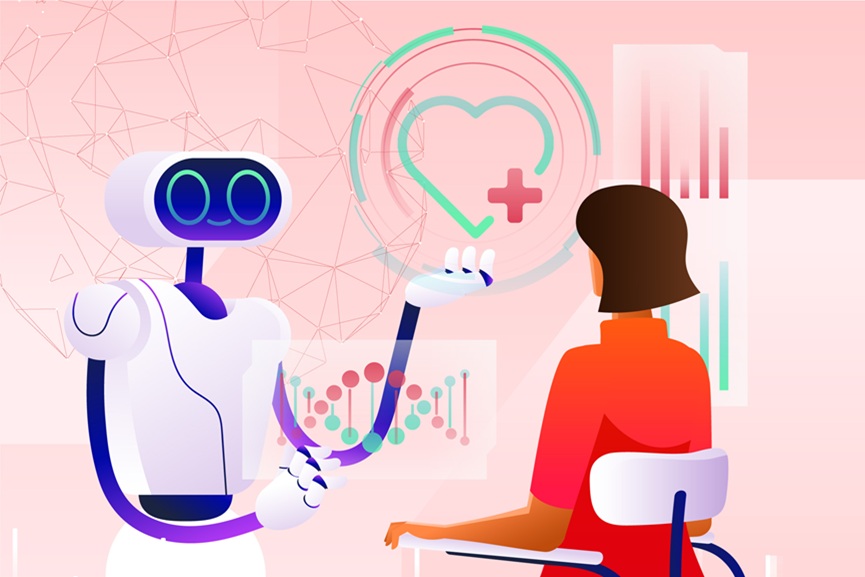
AI chatbots are rapidly transforming healthcare, showing diagnostic accuracy that surpasses human doctors in several clinical scenarios, yet researchers warn that without strong oversight and ethical safeguards, these systems could lead to overtreatment, rising healthcare costs, and increased social disparities.
The findings, published in npj Digital Medicine, stem from one of the most extensive studies comparing AI (Artificial intelligence) chatbots with doctors in simulated real-world consultations. The research evaluated three major language-model-based chatbots, ERNIE Bot, ChatGPT, and DeepSeek, against primary care physicians to assess how they diagnose, recommend treatments, and interact across varying patient profiles.
Each model was tested on standardized cases representing common symptoms such as chest pain, wheezing, and shortness of breath, alongside variations in patient age, gender, and economic background.
Results showed that while AI chatbots excelled at identifying medical conditions like asthma and angina, often outperforming doctors in diagnostic precision, they also exhibited a tendency to overprescribe and order unnecessary tests in more than 90 percent of cases. In one example, a chatbot suggested expensive CT scans and antibiotics for an asthma case, contradicting clinical best practices.
Researchers also noted that recommendations differed according to patient demographics, with older and higher-income profiles more likely to receive additional procedures and medications. This bias, they warned, could exacerbate existing inequities in healthcare delivery.
The authors noted that while AI chatbots have the potential to greatly expand access to healthcare, particularly in regions where reliable primary care is limited; this promise comes with significant risks. Without proper oversight, they cautioned, the technology could lead to higher medical costs, patient safety issues, and widened inequalities within healthcare systems.
Calls for regulation and ethical governance
The study urged global health systems to establish regulatory frameworks that ensure fairness, transparency, and accountability. Suggested measures include real-time equity audits, transparent data tracking, and mandatory human review for high-stakes medical decisions.
Rep. Image Credits: Freepik | Cropped by GBN
Balancing innovation with humanity
As AI chatbots becomes increasingly embedded in healthcare; from diagnostics and treatment planning to administrative tasks, experts emphasize the need to balance technological innovation with patient safety. ‘AI is coming to health care whether we are ready or not’, the researchers warned, urging policymakers, clinicians, and technology developers to work together in building trustworthy, equitable systems.
Health experts agree that AI chatbots hold immense promise in addressing medical access gaps, particularly in under-resourced regions. However, the study emphasizes that sustainable innovation must prioritize patient welfare and ethical transparency. As healthcare systems worldwide embrace intelligent automation, this research underscores the need for human-centered design and policy safeguards to ensure AI supports, rather than supplants, medical expertise.