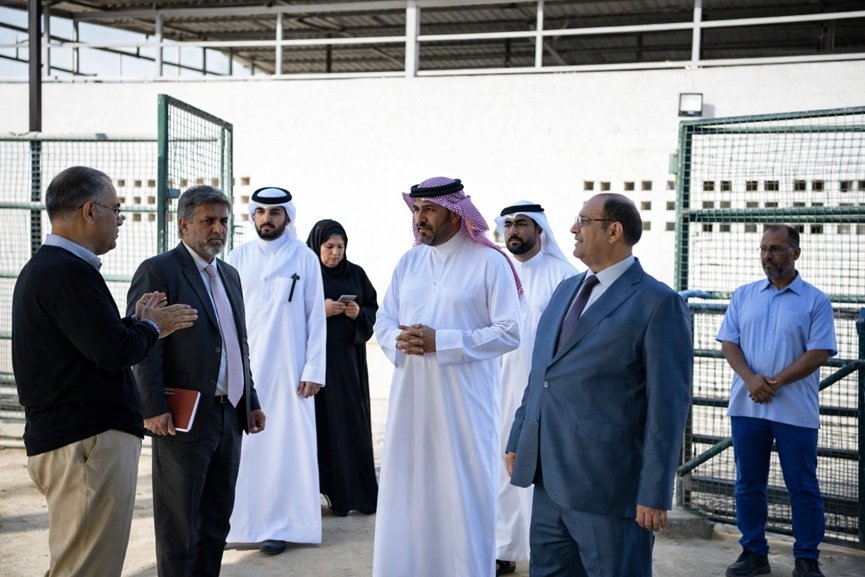
HE Asim Abdullatif Abdullah, Assistant Undersecretary for Agriculture and Animal Wealth at the Ministry of Municipalities Affairs and Agriculture, has emphasized the important role of veterinary quarantine facilities in ensuring the safety of meat imports into Bahrain and protecting both food security and public health.
The Assistant Undersecretary highlighted the rigorous procedures in place to monitor livestock and meat imports. He revealed that 777 laboratory tests were conducted between March 1 and 15, reflecting intensified inspection efforts aimed at maintaining high safety standards, particularly during periods of increased demand.
To meet the surge in consumption during the holy month of Ramadan and the upcoming Eid al-Fitr, the ministry issued 112 import permits. These permits facilitated the import of approximately 2,349 tons of chilled and frozen meat, in addition to 8,107 sheep and 385 cattle. Officials noted that these figures demonstrate the government’s proactive approach to ensuring sufficient supply while maintaining strict oversight.
The Assistant Undersecretary stressed that all imported shipments must comply with stringent regulatory requirements. These include valid official health certificates issued by exporting countries, certificates of origin to verify sourcing, and approved halal certification to ensure compliance with Islamic dietary laws. Upon arrival in Bahrain, shipments of livestock and meat imports are subjected to further inspection and laboratory testing before being cleared for distribution in local markets.
His Excellency also pointed out that veterinary quarantine facilities act as a critical line of defense against the introduction of animal diseases and contaminated products. By enforcing comprehensive checks, authorities aim to safeguard consumers and support the sustainability of the local food system.
Reaffirming the ministry’s commitment to food safety and public wellbeing, the official warned against unauthorized slaughter practices, which pose risks to both health and the environment. He urged residents and businesses to rely solely on licensed abattoirs that operate under strict hygiene and regulatory standards, ensuring that meat imports and meat products reaching consumers are safe, traceable, and properly handled.