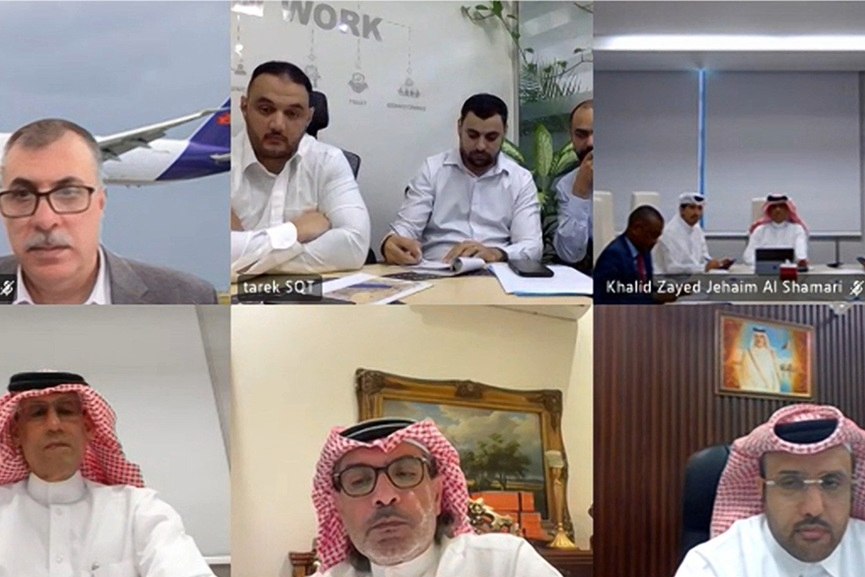
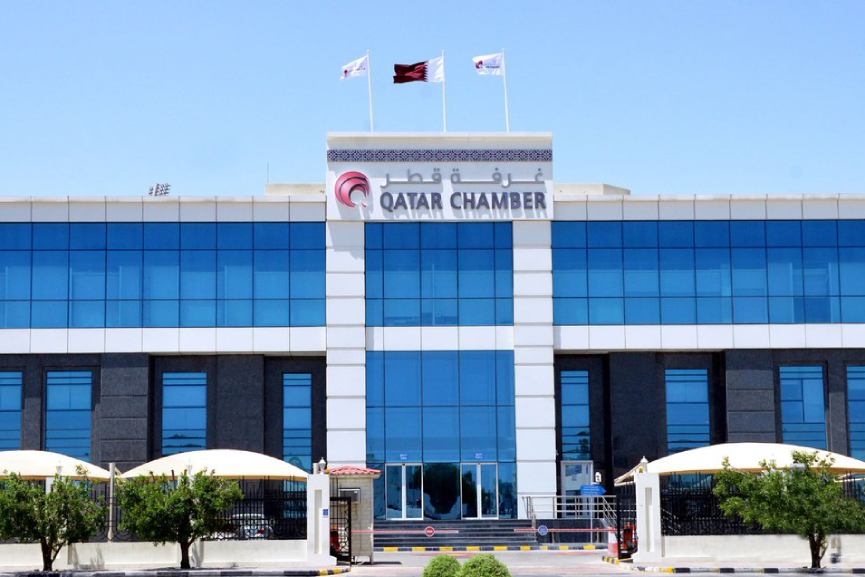
The Qatar Chamber Services Committee has convened a virtual meeting to assess challenges facing the transportation and logistics sector and discuss measures to ensure the continued flow of goods into Qatar.
The meeting was chaired by Eng. Ali bin Abdullatif Al Misnad, board member of Qatar Chamber and chairman of the committee.
It brought together representatives from key government and industry entities, including the General Authority of Customs, Mwani Qatar, Qatar Airways, and the Ministry of Transport, alongside more than 30 companies operating in the country’s transportation and logistics sector.
During the webinar, participants reviewed the major operational challenges currently affecting freight movement, shipping operations, and logistics services.
Discussions focused on the status of land, air, and sea cargo operations, as well as the broader supply chain landscape and its ability to maintain the steady flow of goods into the domestic market.
Private sector representatives presented a number of proposals aimed at addressing difficulties encountered by shipping, transport, and logistics companies.
The discussions also examined potential mechanisms to streamline land and maritime shipping procedures, based on recommendations submitted by logistics firms operating in the country.
New initiative to monitor sector developments
Eng. Al Misnad announced the launch of a new chamber initiative that includes the formation of an internal working group tasked with monitoring developments in the sector around the clock.
The initiative will also introduce a dedicated hotline to receive reports and feedback from companies regarding operational challenges in the transportation and logistics sector.
Al Misnad explained that the working group will evaluate these issues and coordinate with concerned authorities to develop appropriate solutions, with the goal of ensuring the uninterrupted flow of goods and strengthening commercial transportation activities in the country.
Land cargo operations expanded
Officials from the General Authority of Customs provided updates on current cargo operations. Yousef Al Nuaimi, Director of the Air Cargo Department, noted that land cargo operations are increasingly being utilized through transit operations and the TIR system via the land port with Saudi Arabia.
Meanwhile, Yousef Al Hammadi, Director of the Land Customs Department, stated that all commercial operations have now been transferred to the land port. He added that customs authorities are offering extensive facilities to suppliers and traders, supported by initiatives such as the economic operator program and the TIR system, which aim to facilitate trade movement.
Image Courtesy: Qatar Chamber | Cropped by GBN
Shipping and Air Cargo Constraints
Capt. Abdulaziz Al Yafei, Executive Vice President of Operations at Mwani Qatar, highlighted those current regional circumstances—including the closure of the Strait of Hormuz—have created additional logistical challenges, making it more difficult for shipments to reach the country’s ports.
From the aviation sector, Ehab Matta, a representative of Qatar Airways Cargo, said that cargo movement at Hamad International Airport remains relatively limited at present.
However, he reaffirmed the airline’s commitment to ensuring the rapid delivery of essential food and medical supplies to the country. In coordination with Hassad Food, certain food products are also being imported to support market demand.
Hamad Al Marri, Director of the Land Transport Licensing Department at the Ministry of Transport, said the ministry, through its role in the Logistics Support Committee, recently held discussions with shipping companies to address operational issues.
These include challenges related to empty trucks entering neighboring countries, extending the operational lifespan of trucks, and facilitating the issuance of entry permits for drivers and vehicles.
Participants also proposed measures to improve efficiency across the logistics sector. Suggestions included allowing trucks registered in Gulf Cooperation Council countries to operate freely across member states, as well as establishing a direct hotline between ports and shipping companies to streamline procedures and accelerate cargo movement.