HH Sheikh Mohammed bin Rashid Al Maktoum, Vice President and Prime Minister of the UAE and Ruler of Dubai, has issued Law No. (4) of 2026, establishing a comprehensive regulatory framework for the management and occupancy of shared housing in Dubai.
The law applies to private development zones, free zones, and owners or establishments authorized to allocate real estate units for shared housing.
It covers leasing and management arrangements, including subleasing, while excluding units designated for collective labor accommodation.
The legislation aims to protect the rights of owners and residents, ensure safe and healthy living conditions, prevent overcrowding and informal housing, curb building and land use violations, promote fair rental practices, and support the stability and appearance of Dubai’s real estate market.
Dubai Municipality is tasked with overseeing shared housing, including setting policies, strategic plans, and allocation conditions.
This includes defining maximum occupancy, space per resident, shared facility requirements, and designating areas where shared housing is permitted, based on urban planning, population density, infrastructure, and neighborhood character. A unified digital platform will manage permits, records, and access for relevant authorities.
The Dubai Land Department (DLD) will maintain an electronic shared housing registry linked to Dubai Municipality’s platform, standardizing lease and management contract requirements and maintaining a rent indicator for shared housing units.
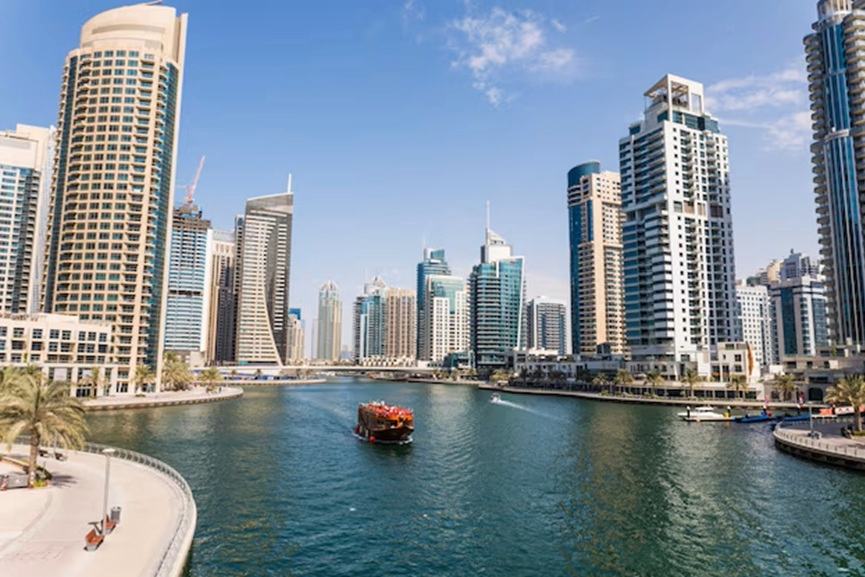
Rep Image Credits: Freepik | Cropped by GBN
Permits and Compliance
Allocating a unit for shared housing without a permit is prohibited. Permits, valid for one year and renewable, may also be issued for two years at the owner’s request.
Units must meet technical and safety standards covering building, health, fire, sanitation, security, and electrical requirements. Leasing may only be carried out by the owner or an authorized establishment.
Violations may incur fines ranging from $136 to $136,000 (AED 500 to AED 500,000), with repeat violations within a year subject to doubled fines up to $272,000 (AED 1 million).
Additional measures may include suspension of activity, permit cancellation, license revocation, disconnection of public services, or eviction.
The Dubai Rental Disputes Center will have exclusive jurisdiction over all disputes arising under the law. Existing shared housing units and operations must comply within one year, with a possible one-time extension granted by the Director General of Dubai Municipality.
The law will take effect 180 days from its publication in the Official Gazette and supersedes any conflicting provisions in other legislation.