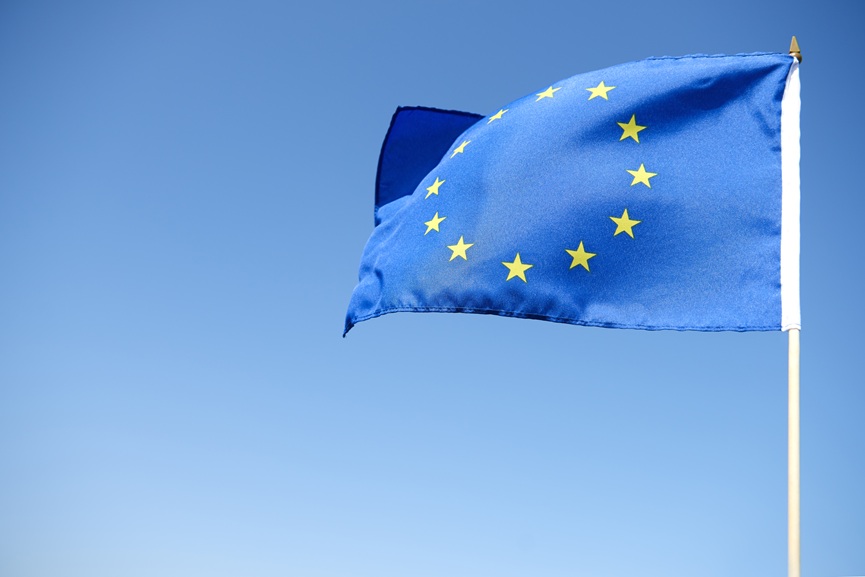
The European Commission and the High Representative have welcomed the European Council’s decision authorizing negotiations with each of the six Gulf Cooperation Council (GCC) countries.
The talks aim to establish bilateral Strategic Partnership Agreements (SPAs) to strengthen cooperation across key areas among GCC nations: Bahrain, Kuwait, Oman, Qatar, Saudi Arabia, and the United Arab Emirates. The Council’s decision marks a significant step toward deepening EU-GCC ties through modern, comprehensive, and effective frameworks of cooperation.
Set within the broader context of the 2022 Joint Communication on a Strategic Partnership with the Gulf and the outcomes of the October 2024 EU–GCC Summit in Brussels, the new negotiation frameworks are designed to advance long-term collaboration in critical areas. These SPAs are aimed at addressing shared priorities and fostering closer bilateral relations with each GCC partner.
These include foreign and security policy, trade and investment, justice and law enforcement, energy and climate, digital transformation, education, research, innovation, environment, culture, connectivity, and enhanced people-to-people contacts. Negotiations are expected to commence promptly, with the sequence and pace determined by each GCC country’s readiness and expression of interest.
Kaja Kallas Vice-President- European Commission
“There is huge untapped potential in the EU’s relationship with the Gulf region. As of today, we will negotiate bilateral Strategic Partnership Agreements with the six Gulf partners. These should bring many mutual benefits across a wide range of priority areas, from increasing economic diversification to jointly tackling security challenges, and working together on digitalization and connectivity. We are beginning a new era of enhanced EU-Gulf cooperation.”
Maroš Šefčovič, Commissioner for Trade and Economic Security, Interinstitutional Relations and Transparency, highlighted the potential economic impact and pointed out that, “The Strategic Partnership Agreements with the GCC countries will provide a major boost to our trade and investment relations, creating new opportunities for businesses, enhancing market access, and promoting economic growth. We can unlock the full potential of our economic partnership and strengthen our position as a global trading power.”
Dubravka Šuica, Commissioner for the Mediterranean, emphasized the broader regional implications and noted that, “Our partnership with the GCC partners is built on mutual respect and shared objectives. Through the Strategic Partnership Agreements, we aim to take our cooperation to the next level. These partnerships will also allow for strengthening our cooperation at regional level to build peace and promote stability and prosperity in the broader Middle East.”
The SPAs are expected to redefine EU-GCC relations, creating strategic partnerships that address common challenges and unlock shared opportunities across multiple sectors, contributing to regional and global stability.