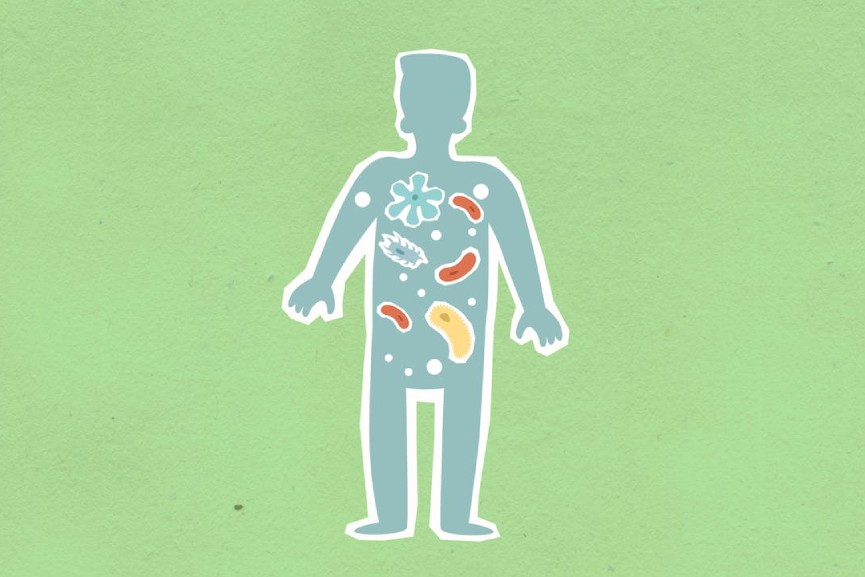
New research from Arizona State University (ASU) has found that people whose gut microbes make more methane extract more calories from fiber-rich foods.
This methane-making microorganism may influence how many calories your body extracts from what you eat. The collection of microbes living in the digestive tract is known as the gut microbiome. While everyone has one, some people’s microbiomes produce large amounts of methane, whereas others produce very little.
The study found that people whose microbiomes generate more methane tend to extract more energy from high-fiber foods. This may help explain why the same meal can provide different calorie counts for different individuals once it reaches the colon.
Researchers emphasized that high-fiber foods remain beneficial. People generally absorb more calories from a typical Western diet high in processed foods, regardless of methane levels. Even so, calorie absorption on a fiber-rich diet varies depending on how much methane a person’s gut produces.
These findings suggest that gut methane could become a key factor in personalized nutrition, a future where diets are tailored to the unique microbial activity in each person’s digestive system.
Image Credits: Nathan Cowley@Pexels | Cropped by GBN
“That difference has important implications for diet interventions. It shows people on the same diet can respond differently. Part of that is due to the composition of their gut microbiome,” said Blake Dirks, lead author of the study and graduate researcher at the Biodesign Center for Health Through Microbiomes. Dirks is also a PhD student in ASU’s School of Life Sciences.
The Methane Makers
Published in The ISME Journal, the study identifies the key players: methane-producing microbes known as methanogens. These microorganisms appear to be linked with more efficient digestion and higher energy absorption.
A major job of the microbiome is breaking down food that the body cannot digest on its own. Microbes ferment fiber into short-chain fatty acids (SCFAs), which provide a valuable energy source. During this process, hydrogen gas is released. Too much hydrogen can slow fermentation, but other microbes prevent this by consuming hydrogen, keeping the digestive chemistry in balance.
Methanogens are the hydrogen consumers. As they feed on hydrogen, they release methane as a byproduct. They are the only microbes in the human gut that produce this gas.
“The human body itself doesn’t make methane, only the microbes do. So we suggested it can be a biomarker that signals efficient microbial production of short-chain fatty acids,” says Rosy Krajmalnik-Brown, corresponding author of the study and director of the Biodesign Center for Health Through Microbiomes.
How Microbes May Shape Metabolism
The ASU researchers found that the interactions between these microbes may directly affect metabolism. Participants who produced more methane also had higher levels of short-chain fatty acids, indicating that more energy was being created and absorbed in the gut.
To test these effects, each participant followed two different diets. One included highly processed, low-fiber foods, while the other emphasized whole foods and fiber. Both diets contained equal proportions of carbohydrates, proteins, and fats.
Tracking Energy and Microbial Activity
Data collected from blood and stool samples revealed how much energy participants absorbed from their food and how active their gut microbes were. Researchers then compared people with high methane production to those with lower levels.
Almost all participants absorbed fewer calories while eating the high-fiber diet compared to the processed-food diet. However, those with higher methane production absorbed more calories from the fiber-rich foods than those with less methane in their systems.