The United Arab Emirates has recorded a robust start to its citizens’ housing agenda in the first quarter of the ‘Year of Family 2026,’ launching major initiatives to strengthen the stability, wellbeing, and long-term prosperity of Emirati families.
At the national level, the UAE continues to advance an ambitious housing strategy aimed at increasing homeownership rates among citizens.
By the end of 2025, the country’s homeownership rate had reached approximately 91 percent, highlighting the effectiveness of sustained government intervention and long-term planning frameworks.
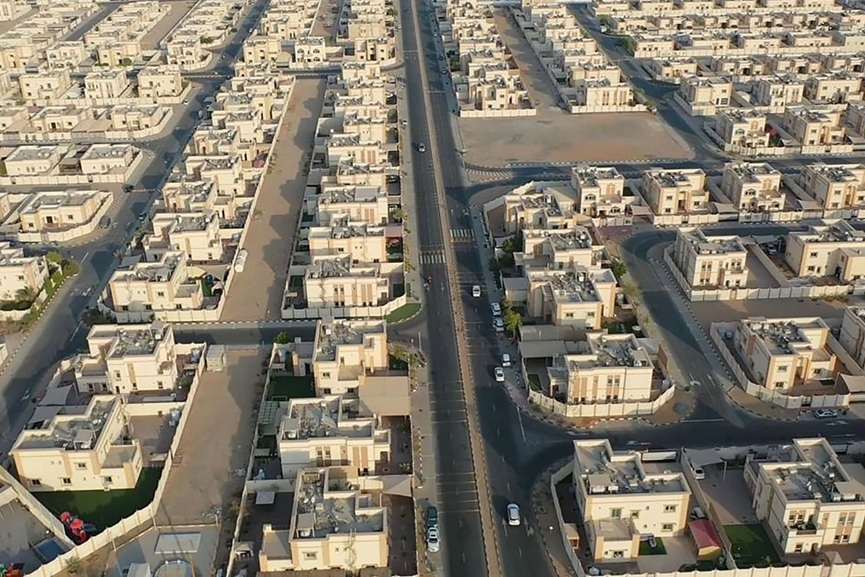
In Abu Dhabi, authorities announced a comprehensive housing benefits package valued at $1.15 billion (AED4.21 billion), benefiting 2,652 citizens.
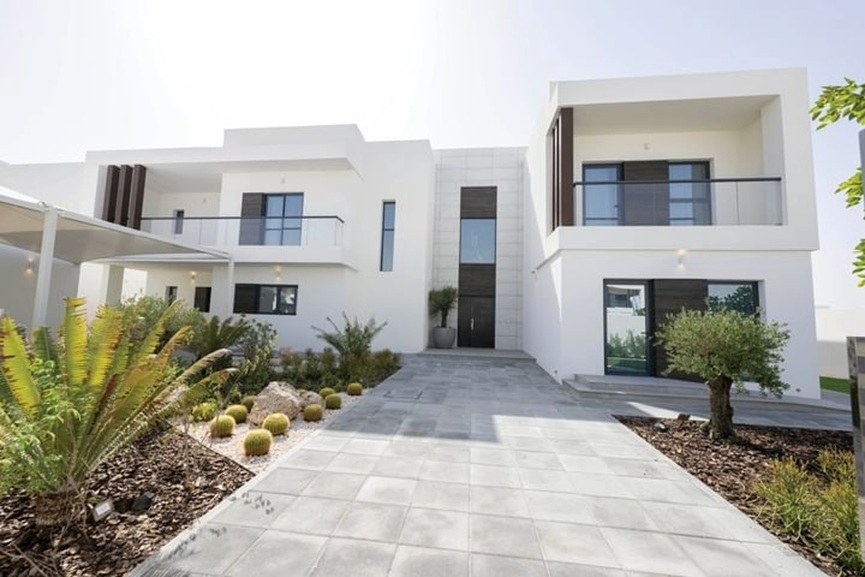
The package reflects a diversified approach to housing support, including 571 million (AED2.1 billion) in housing loans for 1,415 citizens alongside ready-built homes worth $495 million (AED1.82 billion) allocated to 914 beneficiaries.
Additionally, residential land valued at $39.2 million (AED144 million) was distributed to 185 citizens, while exemptions from loan repayments, amounting to $38.6 million (AED142 million), were granted to senior citizens, low-income retirees, and heirs of deceased individuals.
These targeted measures underscore a broader social policy objective of easing financial burdens on vulnerable segments and promoting inclusive growth.
Meanwhile, Dubai announced the allocation of 4,631 residential plots to citizens, collectively valued at $1.44 billion (AED5.3 billion) and spanning over 71 million square feet across key locations such as Al Ayyas, Latifa City, and Mushrif.
The initiative aligns with the Dubai Urban Plan 2040, which envisions the creation of sustainable, people-centric communities. The newly allocated areas are being developed according to advanced urban planning standards, incorporating green spaces, integrated service centers, and modern infrastructure designed to accommodate future population growth while enhancing quality of life.
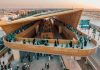
Image via WAM | Cropped by GBN
The plan also prioritizes accessibility, social cohesion, and environmental sustainability—key pillars in Dubai’s long-term urban transformation strategy.
In Sharjah, the Executive Council approved the first batch of housing beneficiaries for 2026, covering 1,200 citizens across the emirate.
This includes 490 allocations of residential land and 710 plots designated for investment purposes, reflecting a dual focus on housing provision and economic empowerment.
Sharjah’s housing expansion also includes plans for a new residential district in Jebel Al Ashkel, near Khorfakkan, where hundreds of homes will be developed for citizens.
In parallel, construction is progressing on 270 housing units in the Al Harai area of Khorfakkan, including 120 units in Al Madeefi, with project sites already handed over to the Sharjah Housing Department.
The latest announcements build on a substantial legacy of housing support across the UAE. As of November 2025, the government had delivered approximately 221,000 housing assistance packages valued at $64.2 billion (AED236 billion).