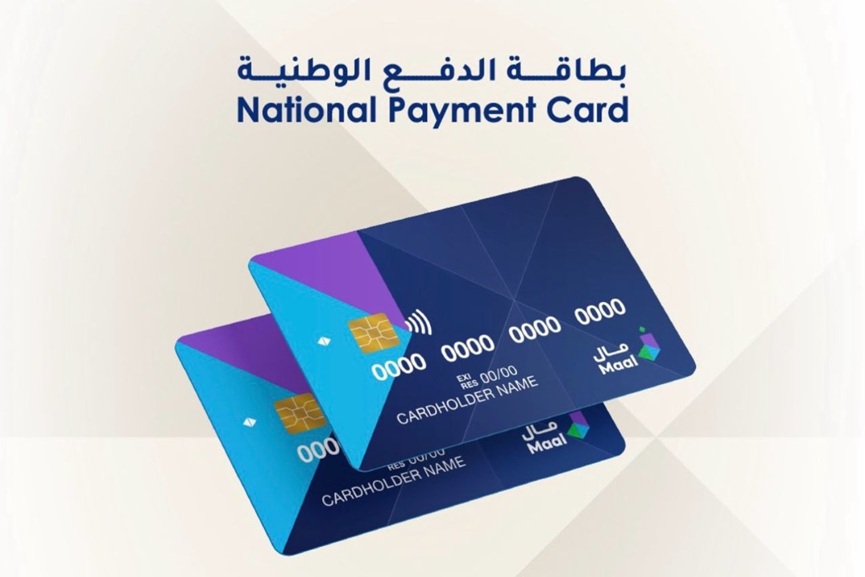
The Central Bank of Oman (CBO) has approved the fee structure for the national payment card ‘Maal’ consumer Debit and Prepaid card. The move reflects the Sultanate of Oman’s ongoing efforts to establish a more efficient national payment ecosystem.
The initiative aims to strengthen the national payments framework by reducing costs for banks, merchants, and payment service providers (PSPs), while expanding the use of digital payment methods across various economic sectors.
This decision falls within the CBO’s broader efforts to support the digital transformation of the national financial infrastructure and to expand access to electronic payments and financial inclusion.
The approved framework includes a full exemption from card issuance and reissuance fees by banks and PSPs, in addition to waiving annual fees for cardholders. Hence, ‘Maal’ consumer debit and prepaid cards will be offered at Zero fees to customers, while ATM cash withdrawal and related service fees will remain to the existing regulations and directives issued by CBO.
This initiative reflects the CBO’s commitment for enabling individuals to access a low-cost national payment card that allows them to perform transactions within the Sultanate of Oman easily, securely, and efficiently.
CBO will waive OmanNet fees for banks and PSPs during the initial phase of Maal card rollout, helping cut overall payment costs. The new pricing framework also introduces lower capped Merchant Service Fees for Maal debit and prepaid transactions across POS and e-commerce channels.
Maal card fee structure features
The Maal card fee structure features tailored capped limits for different merchant categories, including lower caps for government entities, fixed fees for money exchange and remittance companies, and preferential rates for SMEs holding the Riyada card. Charitable organizations are fully exempt from all fees on zakat, sadaqat, and donation transactions.
These measures aim to broaden access to electronic payments and accelerate digital payment adoption across Oman. CBO noted that the initiative supports its commitment to offering affordable, accessible national payment services and strengthening the efficiency, sustainability, and innovation of the country’s digital financial ecosystem.
The new framework will significantly reduce payment acceptance costs for merchants and small and medium enterprises (SMEs), by up to 50 percent compared to other cards. This transformative step will accelerate the shift toward digital payments, drive stronger growth in e-commerce and digital services, and support building a society that is less dependent on cash.
Image credits: CBO | Cropped by GBN
The Maal card is a core pillar of CBO’s strategy to build an integrated, nationally managed payment system through OmanNet, enabling fast, low-cost transactions across the Sultanate. The new fee structure is expected to expand access to national payment services, promote financial inclusion, and reduce costs for citizens, merchants, and government entities, supporting Oman Vision 2040’s goal of a sustainable digital economy.
The announcement coincides with the pilot launch of the Maal card on 20 November 2025, aligned with Oman’s National Day. During the soft-launch phase, most ATMs and e-commerce gateways will accept Maal transactions, though some POS terminals may require additional updates by banks. Several banks will begin issuing the card shortly, with wider availability and acceptance expanding progressively.