Google is rolling out a wave of new AI-powered and accessibility features across Android and Chrome, aimed at enhancing user experience and inclusivity.
The updates include tools designed to better support users with vision and hearing needs, leveraging the capabilities of Google AI and the Gemini model to deliver more intuitive and personalized interactions. These advancements reflect Google’s continued commitment to making technology more accessible and helpful for everyone.
According to the statement, the tech giant is expanding its efforts to integrate the power of Google AI and Gemini into core mobile experiences, with a focus on accessibility features tailored for vision and hearing. This development builds on the company’s ongoing commitment to making technology more inclusive and user-centric through advanced AI customization.
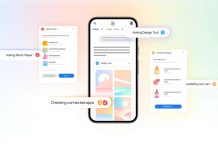
Last year, Google brought Gemini’s capabilities to Talkback, the built-in screen reader tool for Android designed for people with no or low vision. In a blog post, the tech giant says that it is now expanding the Gemini integration, allowing users to ask questions and get responses about images.
Google is also rolling out a new feature called Expressive Captions, which offers real-time captions for anything that has a sound. The AI-powered functionality works with almost all apps and can even show labels for sounds, which means it captures the way people say things.
For example, if someone shouts ‘nooo’ or says ‘amaaazing shot’ in a sports match, Expressive Captions will be able to identify the tone.
As per the reports, the functionality is currently rolling out for those living in the US, UK, Canada, and Australia. However, you will have to set your primary language to English and have a device running Android 15 or newer.