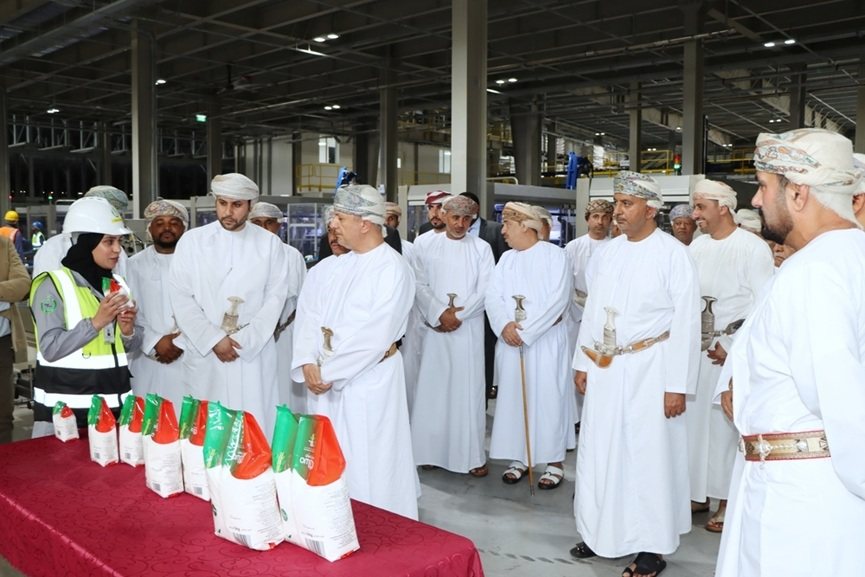
The Oman Sugar Refinery (OSR), a major industrial project supporting food security in the Sultanate of Oman, has been inaugurated at Sohar Port and Freezone with an investment exceeding $390 million (RO 150 million).
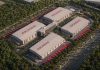
Built on an area of 20 hectares, the Oman Sugar Refinery successfully completed its trial operation phase and met the Tier 2 standards according to European specifications, preparing for a gradual transition to commercial operation by January 2026.
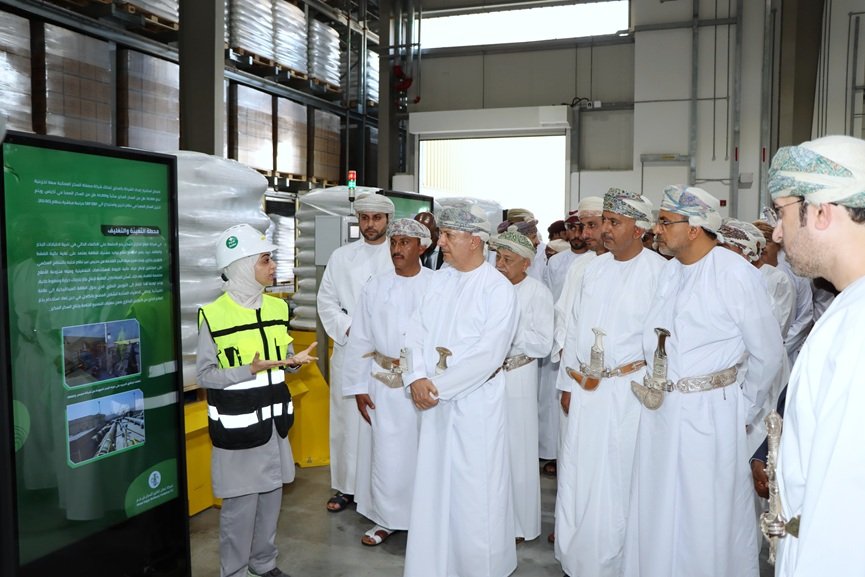
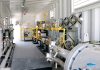
The factory employs an advanced European refining system which contributes to increasing production efficiency and ensuring high quality across all operations. The inauguration was held under the auspices of Sultan bin Salim Al Habsi, Oman’s Minister of Finance.
The production capacity of Oman Sugar Refinery is one million tons annually of refined sugar, supported by extensive storage infrastructure, including 500 thousand tons of raw sugar and 70 thousand tons of refined sugar. These advanced capabilities contribute to solidifying Oman’s position as a regional hub for sugar processing, distribution, and re-export.
The project also contributes to the development of the industrial ecosystem of Sohar Port and Freezone by supporting the National Food Security Strategy, enhancing integration between the port and freezone operations and industrial supply chains, and providing expansion opportunities for transformative industries, particularly in the food sector.
Zayed bin Ahmed Al Habsi, representative of Oman Sugar Refinery Company, stated that the opening of the OSR factory at Sohar Port is an important national achievement as it is the first sugar refinery in the Sultanate of Oman. He described it as a strategic step in supporting the food security system and reinforcing the Sultanate of Oman’s direction towards localizing food industries and reducing reliance on imports.
Image credits: ONA | Cropped by GBN
Eng. Salim Abdullah Al Ghafeeli, Director General of Food Security at the Ministry of Agriculture, Fisheries, and Water Resources, said that the sugar factory aligns with the national directives aimed at localizing transformative food industries and reducing external dependence. This contributes to achieving food stability and supporting economic diversification. He added that such projects help raise the efficiency of supply chains and ensure the sustainable availability of essential food commodities under all circumstances.