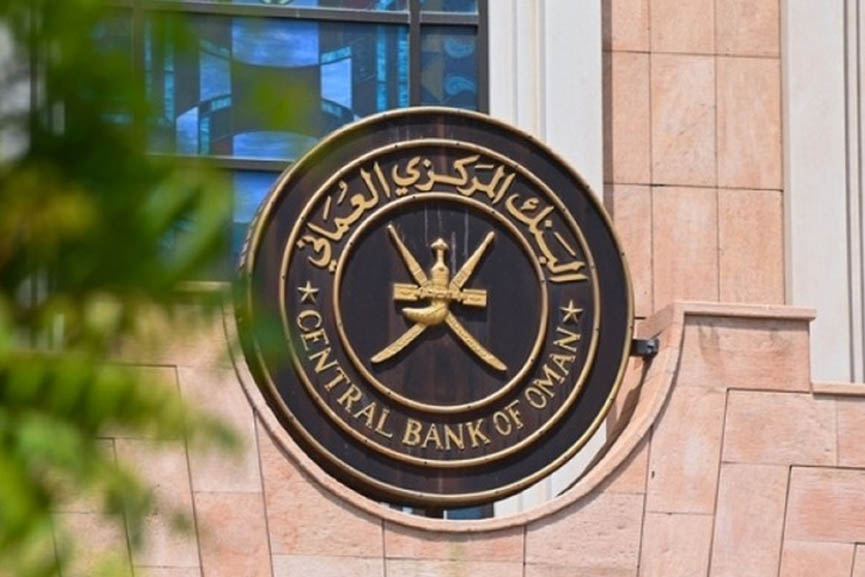
Oman has implemented significant updates to its banking regulations with the enactment of the new Banking Law (Royal Decree 2/2025), which repeals and replaces the previous Banking Law (Royal Decree 114/2000).
These legislative changes coincide with the appointment of a new CBO Governor and Board of Directors, reinforcing efforts to enhance the legal and regulatory framework governing the financial system. The reforms aim to ensure the sector remains resilient, adaptable, and aligned with international banking developments.
In the last two years, Oman’s banking industry has seen notable developments, driven by both regulatory changes and evolving economic conditions.
The new Banking Law, comprising 241 articles, is designed to improve regulatory clarity, enhance transparency, and foster financial inclusion. It introduces measures to strengthen the governance of the Central Bank of Oman, outlining its responsibilities in implementing monetary policy, managing liquidity, and maintaining financial stability.
The law also reaffirms the Central Bank of Oman’s (CBO) sole authority over currency issuance, ensuring that national currency regulations stay aligned with global financial developments.
One of the major updates in the Banking Law is its focus on attracting foreign investment and expanding banking operations. The revised regulations simplify procedures for foreign banks entering the Omani market while granting financial institutions greater flexibility in investment and credit activities.
This includes increased support for small and medium-sized enterprises, and improving access to financing for local businesses and large-scale projects. The law also introduces a dedicated chapter on Islamic banking, with provisions to eliminate various taxes and fees on real estate and movable assets, making Sharia-compliant finance more appealing.
Recognizing the rapid growth of digital finance, the new law paves the way for digital banks, fintech solutions, crowdfunding platforms, and open banking applications. By easing regulatory requirements, Oman aims to foster innovation in banking services while enhancing financial inclusion.
Furthermore, the law reinforces consumer protection, emphasizing transparency in service pricing, fairness in banking transactions, and stricter safeguards for customer data privacy.
Oman’s banking sector has played a crucial role in supporting the economic diversification agenda outlined in the Oman Vision 2040, with lending directed towards non-oil sectors such as tourism, manufacturing, and logistics.
CBO Governance Framework
The governance framework for the Central Bank of Oman has also been restructured under Royal Decree No (3/2025), which outlines the bank’s core objectives through a set of 21 articles.
These objectives include ensuring monetary stability, overseeing banking and non-banking financial institutions, enforcing financial regulations, and maintaining the overall safety of the financial system.
The new framework enhances the CBO’s role in supporting Oman’s long-term economic development, in line with the nation’s broader financial and investment goals. These reforms build on Royal Decree No 47/2024, which introduced the Bank Deposit Protection Law to safeguard depositor funds and bolster confidence in the financial sector.
According to the reports, these legislative measures create a robust, transparent, and investor-friendly banking environment, positioning Oman as a stable financial hub in the region and supporting sustainable economic growth.
Oman’s banking sector is poised for further growth, driven by digitalization, financial innovation, and ongoing regulatory reforms. The new banking law, combined with Oman’s efforts to diversify its economy, is expected to attract greater foreign investment, enhance the country’s financial stability, and ensure sustainable economic development in the coming years.