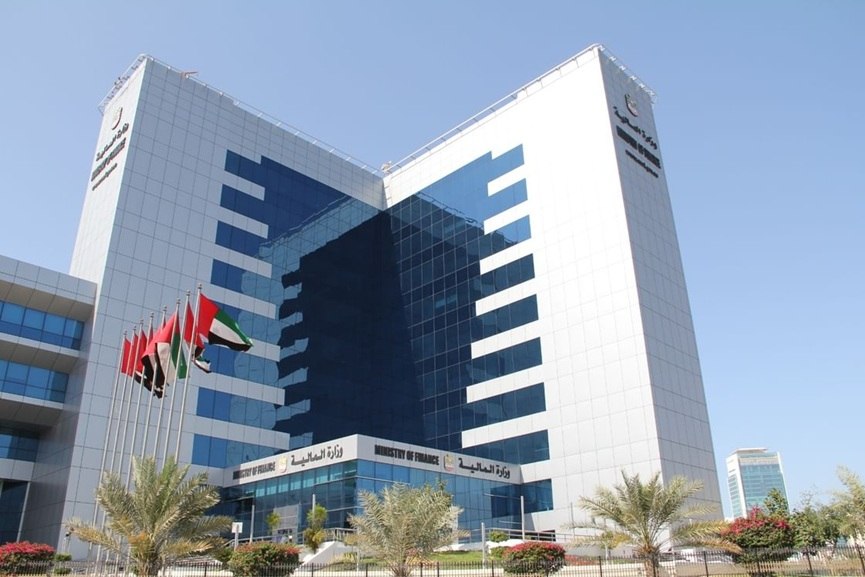
The Ministry of Finance (MoF) of the United Arab Emirates (UAE) will implement the amendments to the Common Reporting Standard (CRS 2.0) issued by the Organisation for Economic Co-operation and Development (OECD) under the Automatic Exchange of Information (AEOI), effective from 1st January 2027.
The first exchange of information under CRS 2.0 is scheduled to commence in 2028. This step reflects the UAE’s advanced position in various global competitiveness indicators and confirms the excellence of the UAE’s financial system in terms of transparency and its adoption of the highest standards of governance.
It also represents a key factor in attracting foreign investments to the UAE, reflecting the nation’s pragmatic and forward-looking approach to align the timeline of CRS 2.0 implementation with the tax information reporting requirements under the Crypto Asset Reporting Framework (CARF).
This strategic alignment underscores the UAE’s commitment to transparency, international cooperation, and fostering a robust regulatory environment that supports sustainable economic growth and investor confidence.
The updated standard (CRS 2.0) develops the framework established under Federal Decree No. (48) of 2018 and Cabinet Resolution No. (93) of 2021, as it expands its scope to include electronic money, digital currencies of central banks, and certain activities related to crypto assets, and provides additional requirements for auditing and reporting, to ensure that the growth of the digital asset sector and financial innovation does not affect global tax transparency.
The updated CRS 2.0 and the CARF are a significant milestone in the UAE’s journey towards strengthening its commitment to the highest international standards of tax transparency and expanding cooperation with international organizations such as the OECD and the global financial community, thereby strengthening the UAE’s position as a leading financial hub based on good governance and international compliance.