Abu Dhabi Department of Energy (DoE) has launched the Integrated Water Sector Strategy, aiming to build a more reliable, resilient, and efficient water system by focusing on securing supply, reducing costs, and maximizing value.
The Integrated Water Sector Strategy sets out a comprehensive plan for the sector and defines how the emirate will secure, manage, and diversify its water resources over the coming decades.
It establishes clear priorities to ensure security of supply and preserve groundwater reserves, thereby enhancing the sustainability of water services across the emirate.
The strategy also seeks to strengthen the sustainability of the water sector through identified projects and initiatives designed to enhance operational performance by upgrading infrastructure with advanced technologies and artificial intelligence, and by promoting greater awareness of responsible and efficient consumption practices. Together, these efforts will boost the emirate’s competitiveness through an integrated water network.
The Integrated Water Sector Strategy will reinforce infrastructure modernization projects in the emirate’s water sector, including the integration of artificial intelligence solutions to manage the water system through the AD.WE platform.
Plans also include rainwater harvesting initiatives, such as capturing 100 million cubic meters annually, as well as increasing the use of recycled water. The strategy focuses on diversifying water sources and achieving a more optimal mix of water resources in the emirate.
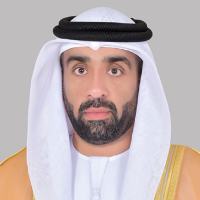
HE Dr. Abdulla Humaid Al Jarwan Chairman – Abu Dhabi DoE
“Ensuring water security lies at the heart of life in Abu Dhabi and is vital to economic activity across all sectors, including residential, agricultural, industrial, and commercial. Guided by the directives of His Highness Sheikh Khaled bin Mohamed bin Zayed Al Nahyan, Crown Prince of Abu Dhabi and Chairman of the Abu Dhabi Executive Council, the Integrated Water Sector Strategy provides a fundamental pillar around which all drivers of social and economic growth are aligned. This strategy and its implementation plan will strengthen our ability to safeguard this vital resource in support of the UAE Water Security Strategy 2036 and lay the foundations to secure resources for future generations.”
The Chairman stated that the plan aims to reduce the total cost of water production, cut network water losses by 40 percent by 2035, and improve demand efficiency by 32 percent by 2030. He further invited on researchers, scientists, innovators, and forward-thinking minds to contribute their ideas and proposals for water desalination and reuse projects in the emirate, in support with its vision of a knowledge-based economy as a pathway to the future.
Integrated Water Sector Strategy: Five main programs
The implementation of the Integrated Water Sector Strategy focuses on five main programs:
Diversify water sources for the agricultural sector.
Upgrade water networks across 28 agricultural areas.
Improve consumption efficiency in residential and agricultural sectors.
Install control and monitoring systems in distribution networks.
Reduce water losses while developing smart infrastructure and promote better consumption practices.
For this, DoE will roll out a series of projects over 10 years, based on clear principles and enabling tools to ensure supply security, deliver greater value for consumers, and enhance the emirate’s readiness with an integrated water network capable of meeting rapid growth and ensuring long-term resource sustainability.
The Integrated Water Sector Strategy by Abu Dhabi DoE sets clear targets and a defined implementation pathway, reinforcing Abu Dhabi’s commitment to sustainable resource management and future-ready utility services that support economic growth while preserving natural resources.
The launch of water strategy follows the announcement that Abu Dhabi will host the Water and Energy Week in May 2026, convening global leaders to advance cooperation in water and energy, further cementing the emirate’s leadership in sustainable utilities.