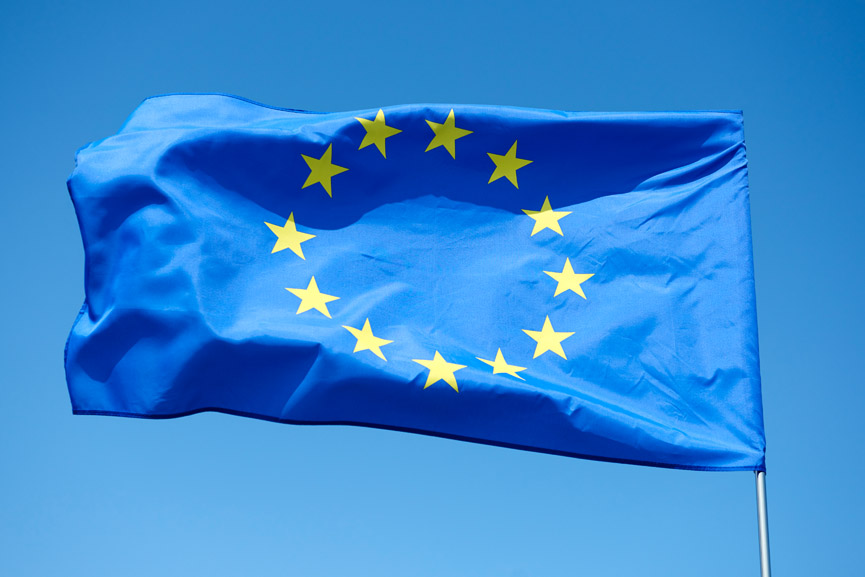
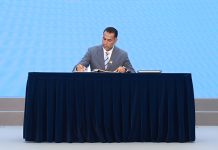
The European Union and the Mercosur bloc have signed a trade agreement aimed at creating the world’s largest free trade area, in a move described as historic after negotiations that lasted for more than a quarter of a century.
Despite the expectations surrounding the agreement, the main concern centers on its impact on local markets, particularly the European agricultural sector.
The agreement includes a series of measures to gradually eliminate customs duties on around 90 percent of goods traded between the two sides, a step expected to reduce trade costs and increase market openness.
The Mercosur bloc (Southern Common Market) is a South American trade agreement among founding members Argentina, Brazil, Paraguay, and Uruguay, later joined by Bolivia, aiming for free trade in goods, services, capital, and people. It functions as a customs union with a common external tariff.
EU-Mercosur bloc agreement key features
One of the key features of the agreement is the gradual removal of tariffs on a wide range of industrial and agricultural goods, which opens up significant opportunities for European companies to access new markets in South America.
Beyond economic benefits, the agreement also provides for the opening of public procurement markets in Mercosur countries to European companies, particularly in sectors such as infrastructure, energy, and water. This has raised concerns about possible effects on local companies in those countries.
With regard to agricultural products, the agreement offers what are described as reasonable safeguards by imposing import quotas on certain goods, including meat, poultry, sugar, and rice. These quotas define specific quantities that can be imported at reduced or zero tariffs. This aspect has unsettled many European farmers, who view it as a threat to their food security and competitiveness in domestic markets.
Not all European stakeholders oppose the agreement, however. Many European industrialists and manufacturers have welcomed it as an opportunity to expand markets and boost exports, as per the statement.