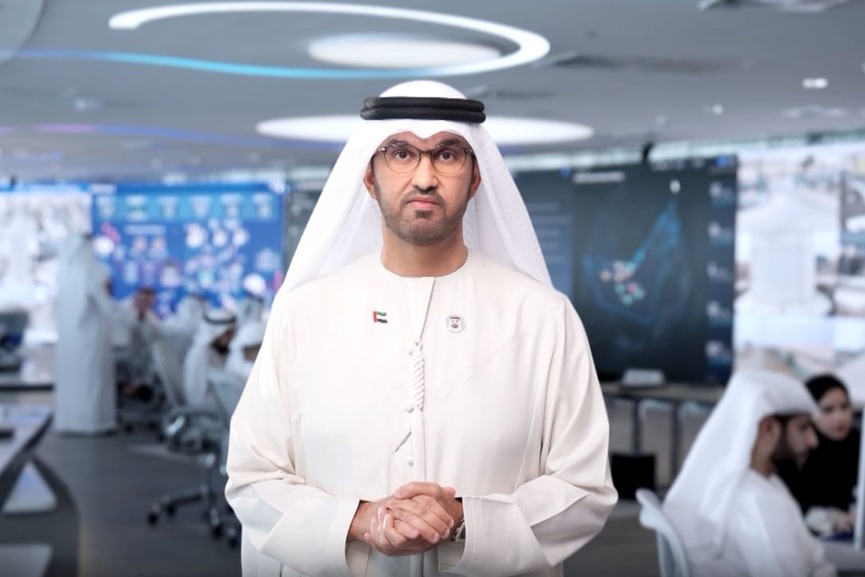
HE Dr. Sultan bin Ahmed Al Jaber, the UAE Minister of Industry and Advanced Technology, Managing Director and Group CEO of the Abu Dhabi National Oil Company (ADNOC), Chairman of Masdar and Executive Chairman of XRG, has warned that weaponizing the Strait of Hormuz is an act of economic terrorism with global impact far beyond energy markets.
At CERAWeek in Houston, Dr. Al Jaber warned that any disruption sends immediate shockwaves worldwide, as seen in a recent 50 percent surge in oil prices within three weeks, driving up living costs and slowing economic growth from factories to farms to households. Taking place from March 23-27, CERAWeek is convening the energy industry’s foremost thought leaders.
The minister framed energy security as a fundamental necessity, stating the difference between lights on and lights off, with the Hormuz Strait described as a critical artery that must remain open. The crisis was characterized not as a supply problem but a security one, with no sustainable solution other than ensuring uninterrupted flow through Hormuz, the minister said.
His Excellency noted that despite escalating tensions, the UAE was portrayed as prepared and resilient, having invested heavily in infrastructure, planning, and strategic partnerships. ADNOC has continued operations under extraordinary conditions, prioritizing safety while maintaining supply commitments. This resilience reflects a long-term approach grounded in pragmatism, technological integration, and diversification of energy routes and sources.
Strong international partnerships, particularly with the United States, were highlighted, alongside over $85 billion in investments across American energy assets. Future plans include expanding investments across the energy value chain, including storage and liquefaction infrastructure.
The minister commented that the current crisis at Hormuz was framed as a defining moment between instability and prosperity. A call was issued for global collaboration, urging industry leaders to actively build resilience rather than react to volatility.
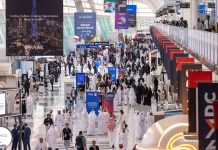
Dr. Al Jaber also extended invitation to convene at ADIPEC this November, positioned not as a routine conference but as a focused working session dedicated to strengthening the resilience of the global energy system.