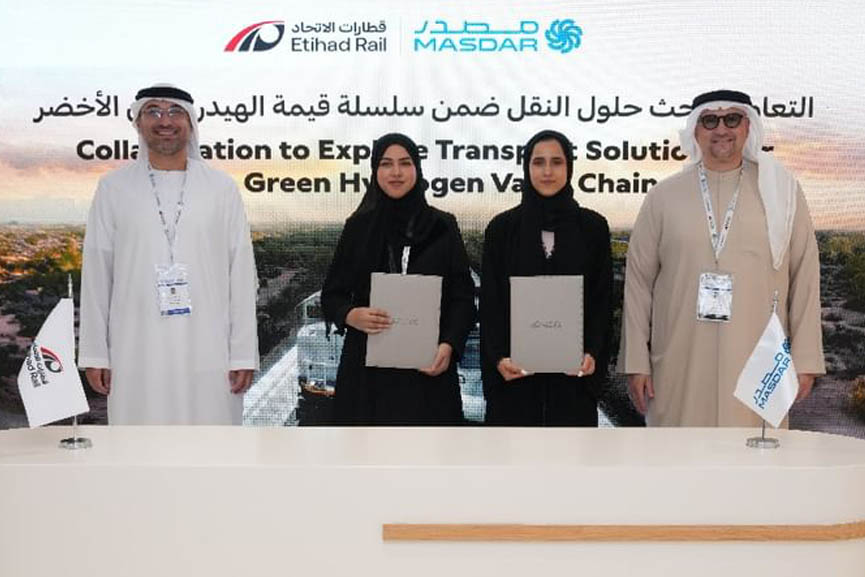
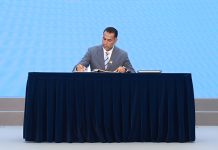
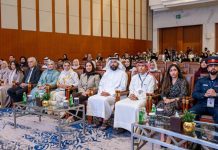
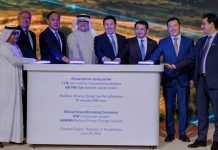
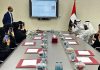
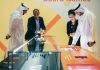
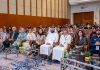
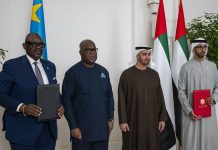
Masdar and Etihad Rail have signed a Memorandum of Understanding (MoU) to explore sustainable transport solutions for the green hydrogen value chain across the UAE.
As part of the agreement, both companies will evaluate how Etihad Rail’s expanding national network can support the movement of feedstocks and end products, such as hydrogen, ammonia, methanol, and sustainable aviation fuel, enabling efficient and low-carbon transportation across the green hydrogen and derivatives supply chain.
Shadi Malak, Chief Executive Officer at Etihad Rail, said that, “This collaboration with Masdar underscores the role of rail as the backbone of sustainable logistics in the UAE. Our network will provide the critical infrastructure to move green hydrogen and its derivatives at scale, supporting innovation, energy security, and long-term economic growth. Through this partnership, Etihad Rail is reinforcing its commitment to building strategic partnerships that accelerate the energy transition.”
“This strategic partnership with Etihad Rail moves us closer to being able to deliver green hydrogen and derivative products at industrial scale to drive energy system transformation and enhance energy security. Through collaborations like this, we can build the green hydrogen value chain, support the UAE and decarbonization efforts, and drive sustainable socioeconomic growth.”
Masdar’s Global Ambition and Etihad Rail’s Expanding Services
Masdar is targeting a leading role in global green hydrogen and derivatives production by 2030, actively developing and investing in commercial projects while building scalable platforms in key international markets.
Etihad Rail, meanwhile, operates freight services across the UAE, linking major industrial zones and seaports, with plans to launch passenger services by 2026.
According to the statement, the collaboration supports Abu Dhabi’s Low-Carbon Hydrogen Policy and the UAE’s National Hydrogen Strategy 2050, which aim to position the country as a leading producer and global supplier of low-emission hydrogen by 2031.
The initiative also contributes to decarbonizing hard-to-abate sectors such as land, sea, and air transport, as well as chemicals, fertilizers, and key metals, including aluminum, iron, and steel.