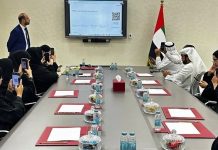
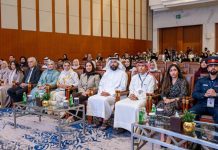
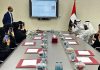
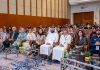
The UAE Hospitality Advisory Council has convened its first meeting of 2026 under the chairmanship of HE Abdulla bin Touq Al Marri, UAE Minister of Economy and Tourism, with the participation of senior public-private sector stakeholders, including executives from national and international hotel groups across the country.
The session reviewed new tourism initiatives, assessed sector performance at the regional and global levels, and examined supply-and-demand projections for the year ahead. Discussions focused on sustaining growth momentum while reinforcing long-term competitiveness across the national hospitality landscape.
The UAE hospitality sector continued its strong performance trajectory in 2025. Hotel occupancy reached 79.5 percent between January and November, while the average length of stay rose to 3.42 nights.
During the same period, the sector’s infrastructure expanded steadily. The number of hotels nationwide increased to 1,260, with total room inventory reaching approximately 216,900.
Al Marri noted that the sector’s performance is aligned with the strategic vision of the UAE leadership, positioning hospitality as a cornerstone of the national tourism strategy and a key driver of global competitiveness.
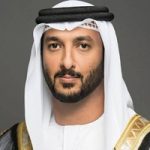
Abdulla Bin Touq Al Marri Minister of Economy and Tourism
“The outstanding performance of the hospitality and hotel sector reflects the integrated nature of the UAE’s tourism ecosystem and highlights the active role of partnerships between public entities and the private sector. The next phase requires continued efforts under a precise data analytics methodology and balanced planning between supply and demand to ensure sustainable growth and reinforce the long-term competitiveness of this vital sector.”
Diversifying tourism source markets remains central to reducing dependency risks and strengthening adaptability. The Council also highlighted the expansion of long-stay accommodation offerings and targeted strategies to attract high-spending visitor segments, aimed at increasing average stay duration and boosting per-visitor economic returns.
The Council called for the adoption of digital solutions and artificial intelligence technologies within hotel operations to enhance efficiency and elevate guest experiences.
These measures align with the objectives of the UAE Tourism Strategy 2031, reinforcing the country’s positioning within the global travel and tourism landscape.
GCC demand outlook
The minister highlighted continued growth in global hotel demand, supported by improved occupancy rates and average daily rates across major markets, despite moderate slowdowns in certain advanced economies. The resilience of the tourism industry reflects its adaptability to shifting economic conditions.
Across the GCC, tourism demand continues to advance, driven by major international events, infrastructure expansion, and sustained investment in high-quality hospitality assets.
Focus on seniors
A significant portion of the meeting was dedicated to new initiatives targeting senior travelers. Proposed measures include long-term winter residency programs, enhanced senior-friendly destination standards, and wellness-oriented tourism packages.
These initiatives are expected to increase average stay durations, stabilize performance during off-peak seasons, and strengthen overall tourism spending. The Council also discussed the broader ‘Silver Economy,’ emphasizing the growing economic role of seniors amid global demographic shifts.
Rep Image Credits: Freepik | Cropped by GBN
Governance and family tourism appeal
The Council reviewed progress on the UAE tourism policy evaluation project conducted in cooperation with the OECD. The initiative aims to enhance governance frameworks, strengthen institutional coordination, and establish a comprehensive tourism data system to support evidence-based policymaking.
Discussion was conducted on the implementation of ‘Family-Friendly Destination Guidelines,’ which set unified standards for safe and inclusive environments across hotels, cultural sites, parks, malls, and beaches. The initiative is designed to enhance service quality and consolidate the UAE’s standing as a leading global destination for multi-generational family travel.
Concluding the meeting, council members stressed the importance of coordinated monitoring of booking indicators and market trends to ensure sector preparedness amid evolving global dynamics.
Sustained collaboration between stakeholders will be critical to enhancing tourism’s contribution to GDP and advancing the long-term economic sustainability objectives of the UAE.