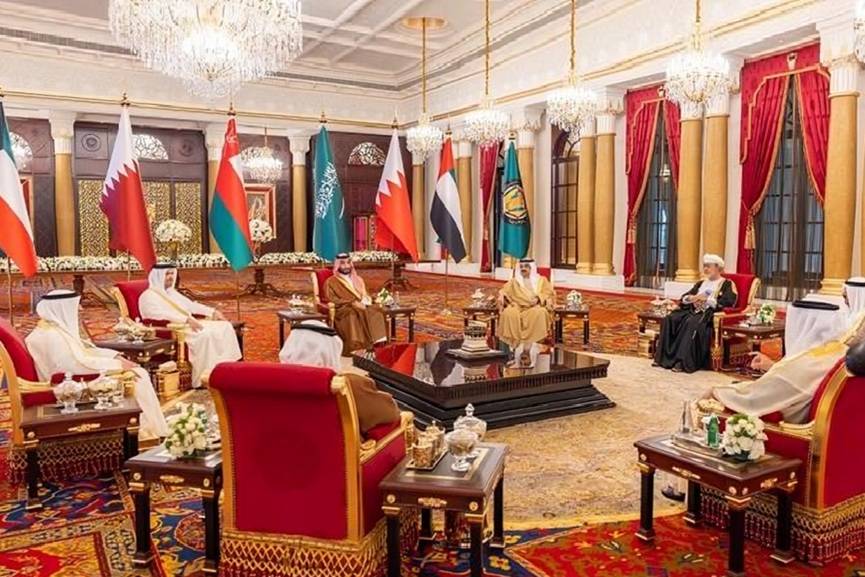
The Gulf Cooperation Council (GCC) marked the 45th GCC Founding Day on May 25 as the bloc continued to strengthen its position as a major global economic and development force, supported by rising growth indicators, expanding regional integration and increasing global influence.
According to data released by the Gulf Statistical Centre, the combined gross domestic product (GDP) of GCC member states reached about $2.4 trillion in 2025, reinforcing the region’s status among the world’s leading economies.
The data showed the non-oil sector contributed more than 78 percent of total GDP, while non-oil economic growth reached 5.3 percent in 2025, highlighting the accelerating pace of economic diversification across the Gulf region.
The GCC’s financial sector also posted strong growth, with commercial bank assets reaching nearly $3.9 trillion, up 11.9 percent between 2024 and 2025. Bank deposits climbed to $2.3 trillion, recording growth of 10.6 percent, reflecting strong liquidity levels and investor confidence in Gulf financial markets.
Global investment influence continued to expand, with Gulf sovereign wealth fund assets reaching around $5 trillion, accounting for 30.3 percent of total sovereign wealth assets worldwide.
GCC trade expansion and global supply chain role
Trade activity across the GCC remained robust, with total trade volume reaching $1.6 trillion in 2024, an increase of 7.4 percent compared to 2023. Gulf merchandise exports totaled approximately $849.6 billion, underlining the bloc’s growing role in international trade and global supply chains.
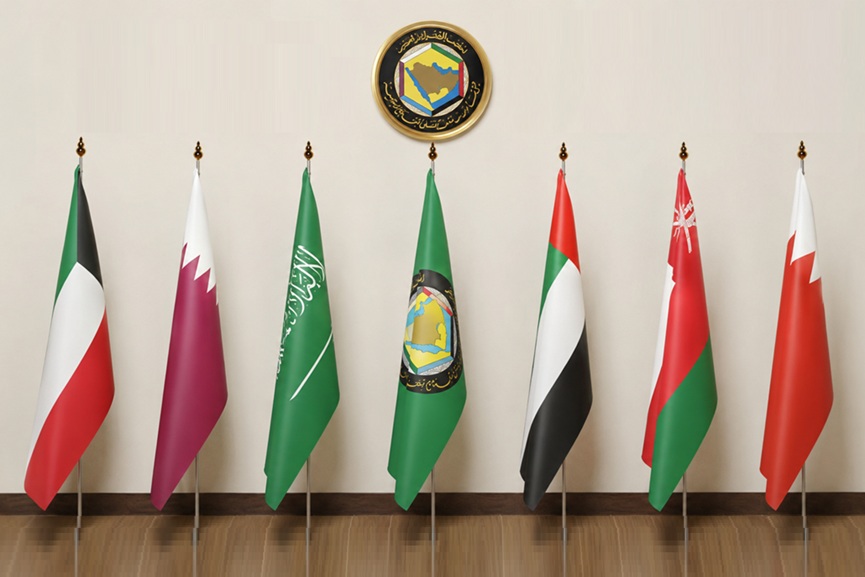
Image generated via ChatGPT | Cropped by GBN
The GCC also maintained its strategic position in the global energy market, producing 16.6 million barrels of oil per day, representing around 22.2 percent of global crude oil production.
Rising global competitiveness
Global competitiveness rankings for 2025 showed continued gains for GCC countries. The bloc ranked 15th globally in the overall competitiveness index, 8th in tax policy and 11th in public finance, while also achieving advanced positions in labor market efficiency, infrastructure, governance and business efficiency indicators.
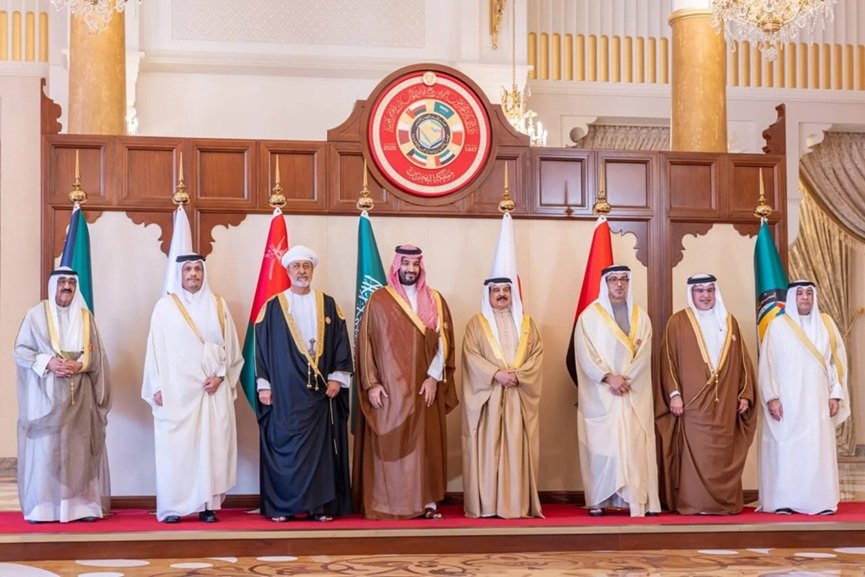
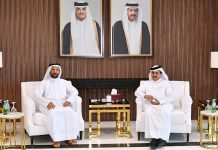
Image credits: ONA | Cropped by GBN
Economic integration among member states also continued to deepen. Intra-GCC trade reached approximately $146 billion in 2025, marking growth of 85.2 percent compared to 2012. The total capital of Gulf joint-stock companies rose to $549 billion, an increase of 237.6 percent compared to 2007.
Tourism remained another major growth driver, with Gulf tourism revenues reaching approximately $132.3 billion, reflecting the region’s growing appeal as a global tourism destination.
Social and developmental cohesion
Social and developmental integration across the Gulf Cooperation Council also expanded significantly, reflecting deeper people-to-people connectivity and improved cross-border mobility within the bloc.
More than 41.4 million Gulf citizens moved between member states, while 43,200 Gulf students enrolled in government schools across GCC countries. Around 488,900 Gulf citizens also benefited from cross-border healthcare services, underscoring the growing strength of shared social systems and coordinated public services across the region.
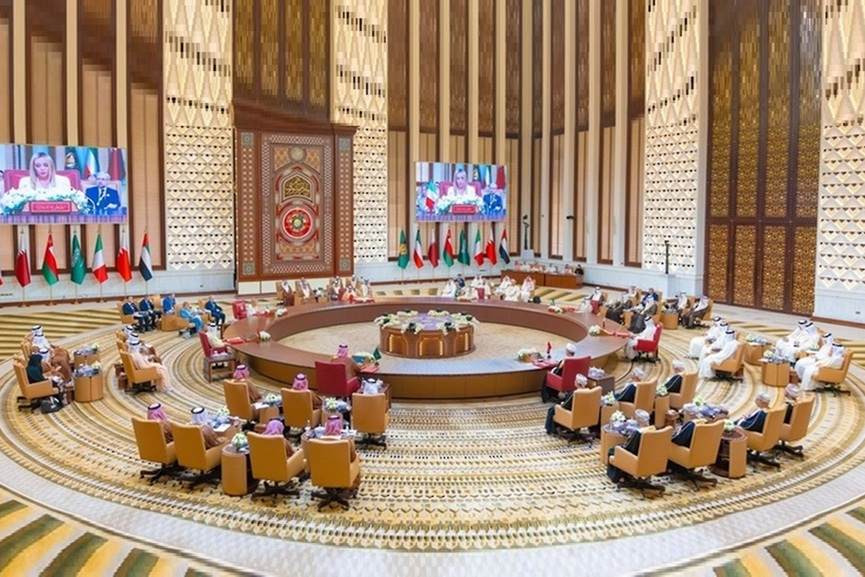
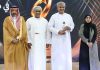
Image credits: ONA | Cropped by GBN
On the political front, the GCC states continued to strengthen their regional and international presence by adopting unified positions on regional and international issues, intensifying efforts to support security and stability, and reinforcing the principles of dialogue and joint cooperation.
This has contributed to enhancing the Council’s standing as an active and influential partner in shaping political and economic balances regionally and globally, in addition to its role in supporting development and peace pathways and strengthening strategic relations with countries worldwide.
Gulf Cooperation Council was established on 25 May 1981, with the aim of enhancing cooperation, integration, and interconnection among member states across various fields, achieving development, stability, and prosperity for their peoples, and strengthening their regional and international position.