Abu Dhabi has reinforced its position as a leading global tourism destination by expanding its cultural offerings and investing in world-class museums and heritage institutions that attract visitors, scholars, and art enthusiasts from across the globe.
Driven by a long-term strategy focused on cultural development and economic diversification, Abu Dhabi continues to integrate culture into its tourism ecosystem.
Authorities say the approach not only enhances the visitor experience but also strengthens the role of culture as a pillar of sustainable development while positioning Abu Dhabi as a center for creativity, knowledge exchange, and civilizational dialogue.
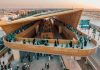
At the heart of this strategy is the Saadiyat Cultural District, Abu Dhabi, a landmark destination that hosts a collection of globally recognized museums and cultural institutions designed to celebrate the shared heritage of humanity and foster intercultural understanding.
Cultural district driving visitor experience
Officials from the Department of Culture and Tourism – Abu Dhabi confirmed that museums and cultural sites across the emirate, particularly those within the Saadiyat Cultural District, continue to welcome visitors and offer immersive cultural and educational experiences.
The district has become one of the region’s most significant cultural tourism destinations, bringing together art, history, science, and technology in a single integrated environment.
Through exhibitions, educational programs, and interactive experiences, it provides visitors with opportunities to engage with culture while enjoying a dynamic tourism offering that blends learning with entertainment.
World-class cultural landmarks
Among the district’s flagship institutions is the Louvre Abu Dhabi, an internationally renowned museum that acts as a cultural bridge between civilizations.
Through its diverse collections, the museum presents a narrative of human creativity and shared heritage across cultures and time periods.
Another cornerstone institution is the Zayed National Museum, dedicated to narrating the story of the United Arab Emirates and celebrating the legacy of Sheikh Zayed bin Sultan Al Nahyan. The museum highlights the nation’s history, cultural identity, and civilizational development while honoring the vision of the country’s founding leadership.
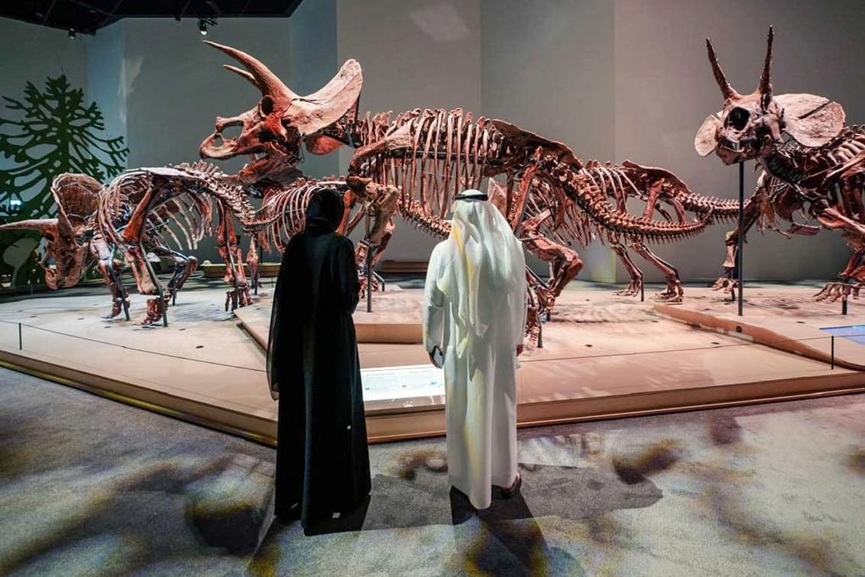
The district will also house the Natural History Museum Abu Dhabi, which will present an educational journey through Earth’s history, biodiversity, and scientific discovery, offering visitors a deeper understanding of the natural world.
Complementing these institutions is teamLab Phenomena Abu Dhabi, an innovative space where art and technology intersect through immersive and interactive installations designed to transform how audiences experience digital creativity.
A highly anticipated addition is the Guggenheim Abu Dhabi, which is expected to further cement the emirate’s reputation as a global center for modern and contemporary art once completed.
Mohamed Khalifa Al Mubarak Chairman DCT Abu Dhabi
“Culture lies at the heart of Abu Dhabi’s identity and serves as a key driver of sustainable growth. Safeguarding, protecting, and sharing culture with the world reflect the values of our society and guide the path toward a shared future — a vision established by the Founding Father, the late Sheikh Zayed bin Sultan Al Nahyan. Culture is a living legacy that embodies generations of values, experiences, and traditions, forming a cornerstone for building a cohesive society. It strengthens identity and belonging, fosters dialogue among cultures, and stimulates innovation and creativity while helping address societal challenges.”
Abu Dhabi’s continued investment in the cultural sector is already delivering tangible results. Museums, exhibitions, and cultural institutions that once existed only as plans have evolved into vibrant spaces that attract visitors from around the world and contribute to the emirate’s tourism economy.