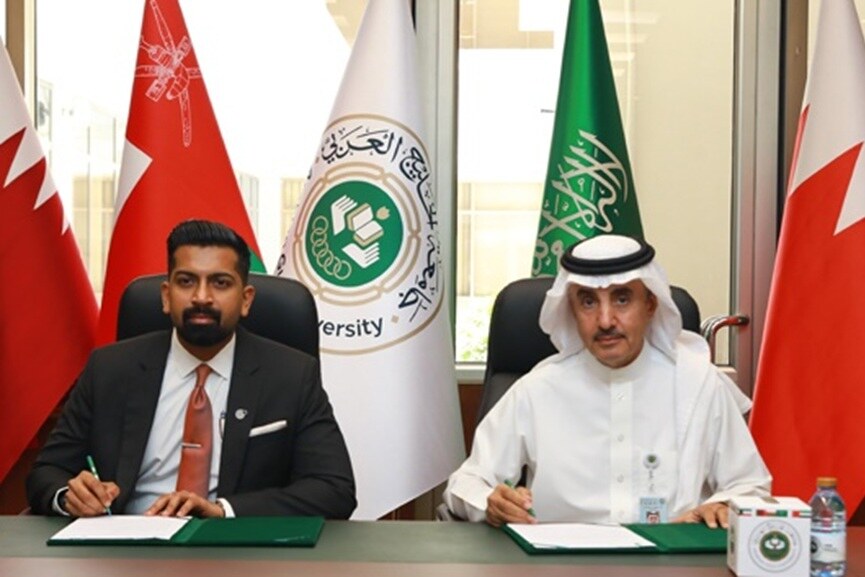
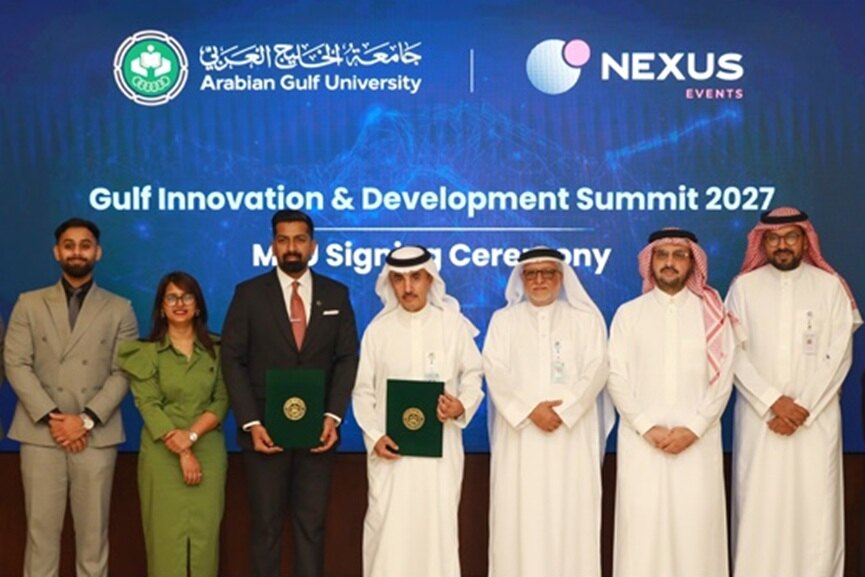
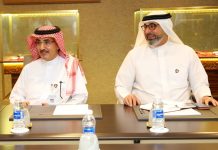
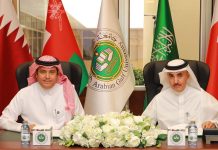
The Arabian Gulf University (AGU) and Nexus Events have signed a memorandum of understanding (MoU) to organize the inaugural Gulf Development and Innovation Conference.
The event is scheduled to be held in April 2027 in cooperation with the General Secretariat of the Gulf Cooperation Council (GCC). The agreement was signed by Dr. Saad bin Saud Al Fahaid, President of AGU, and David Joseph, Director Manager of Nexus Events.
According to the MoU, AGU will lead the conference by providing its strategic direction, scientific oversight, and coordination with national and regional stakeholders.
Nexus Events will serve as the official organizer and executive partner, responsible for planning, implementation, operations, marketing, and logistics.
The conference will bring together policymakers, academics, business leaders, innovators, and experts from GCC countries and other regions to discuss issues related to sustainable development and innovation.
It will focus on four themes- health, education, environment, and innovation- in line with the United Nations Sustainable Development Goals (SDGs). The event aims to support knowledge exchange and discussions on sustainable development and innovation across the Gulf region.
The MoU also provides for the establishment of an executive committee chaired by Dr. Al Fahaid, along with scientific and organizing committees to oversee planning and coordination of the conference.
Image Credits: BNA | Cropped by GBN
Dr. Saad bin Saud Al Fahaid said that the conference is intended to provide a platform for experts and stakeholders to exchange ideas and discuss development and innovation in GCC countries.
David Joseph noted that the Nexus Events will oversee the organization and delivery of the conference under the partnership with AGU.
The conference is expected to bring together ministers, senior government officials, institutional leaders, academics, entrepreneurs, and representatives of regional and international organizations to discuss development and innovation in the Gulf region.