Global Entrepreneur Roman Ziemian reflects on the transformative infrastructure boom reshaping the GCC — and why it represents far more than architectural ambition. From mega-ports to futuristic cities, this is a moment of regional reinvention that is rewriting the playbook on progress, purpose, and potential.
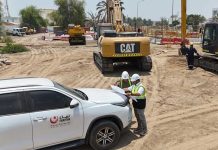
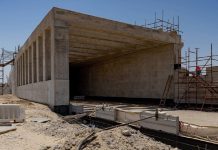
Drive through Riyadh, fly into Doha, or simply glance at a skyline in Dubai, and one thing becomes clear: the Gulf is not just building — it’s redefining. We are living through what I call the GCC’s Golden Age of Infrastructure. But the cranes, glass towers, and highways are not the full story. Behind every project is a far deeper narrative: Who are we becoming as a region?
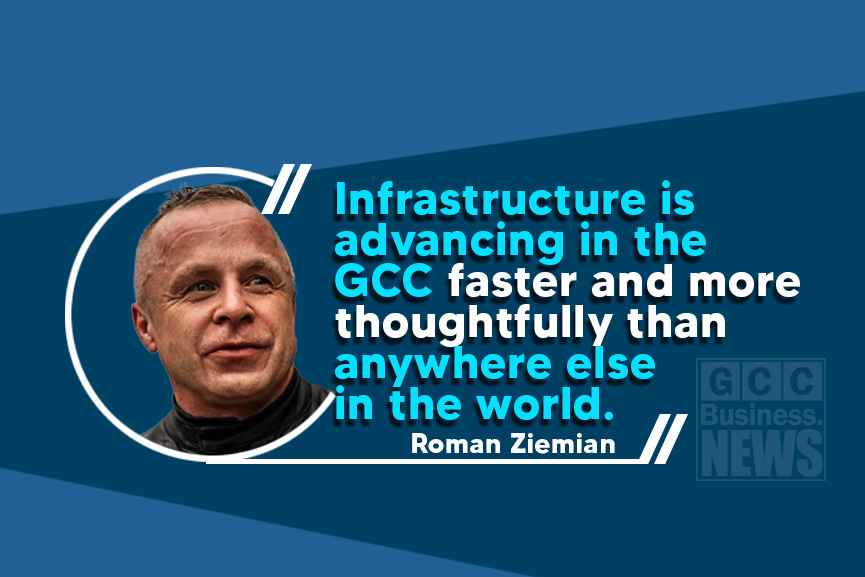
As someone who has spent years engaging with visionary leaders and investing in the Middle East’s future, I believe this surge in infrastructure is not merely about construction. It is about identity, diversification, and long-term sovereignty. And it’s happening faster — and more thoughtfully — than anywhere else on earth.
From Oil to Opportunity: The Infrastructure of Transformation
Infrastructure is often seen through the lens of logistics — roads, rail, airports, and bridges. And yes, those are critical. But in the Gulf, infrastructure is now about economic diversification and human capital.
Consider Saudi Arabia’s NEOM, a $500 billion mega-city project set to redefine urban living. This is not just real estate; it’s a technology sandbox, a green-energy model, and a magnet for global talent. Similarly, the UAE’s Etihad Rail project is not just about movement — it’s about economic integration from Fujairah to Abu Dhabi and beyond, enabling more efficient trade, tourism, and sustainability.
These are projects with purpose — not simply prestige.
Beyond the Surface: Infrastructure as Nation Branding
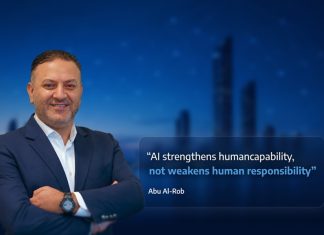
Quote by: Roman Ziemian | Designed by: GBN
One of the most fascinating things about the GCC is how infrastructure is being used as a soft power tool. Take Qatar’s transformation in the lead-up to the FIFA World Cup. The stadiums, metro systems, and hospitality sectors weren’t just built for tourists — they were built to show the world that Qatar is a serious, capable, and innovative global player.
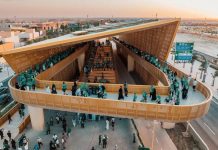
The same goes for Dubai’s Museum of the Future — a stunning structure, yes, but also a symbol of national values: innovation, inclusivity, and imagination. As a European entrepreneur watching this from both inside and out, I find it extraordinary how the Gulf has mastered the art of embedding narrative into infrastructure.
Infrastructure With Heart: Building for Wellness and Sustainability
What impresses me most about this golden era is that well-being and sustainability are no longer afterthoughts. Hospitals like Cleveland Clinic Abu Dhabi and wellness destinations such as Hortman Clinics are proof that the GCC is building infrastructure that heals, not just dazzles.
Green building codes, solar-powered cities like Masdar, and water-efficient architecture are now standard in leading Gulf developments. This is critical because the world isn’t just watching what the Gulf builds — it’s watching how it builds.
Challenges Are Real — But So Is the Vision
Let’s be honest: mega-projects are never easy. Delays, cost overruns, and environmental concerns are real. But here’s what sets the GCC apart — political will and visionary leadership. When the late Sheikh Khalifa bin Zayed Al Nahyan committed to infrastructure as a cornerstone of progress, he didn’t mean “roads only.” He meant institutions, connectivity, and resilience.
And the next generation is watching. Young people across Saudi Arabia, Bahrain, and Oman are not just users of these new cities — they are the creators, coders, engineers, and artists shaping their soul.
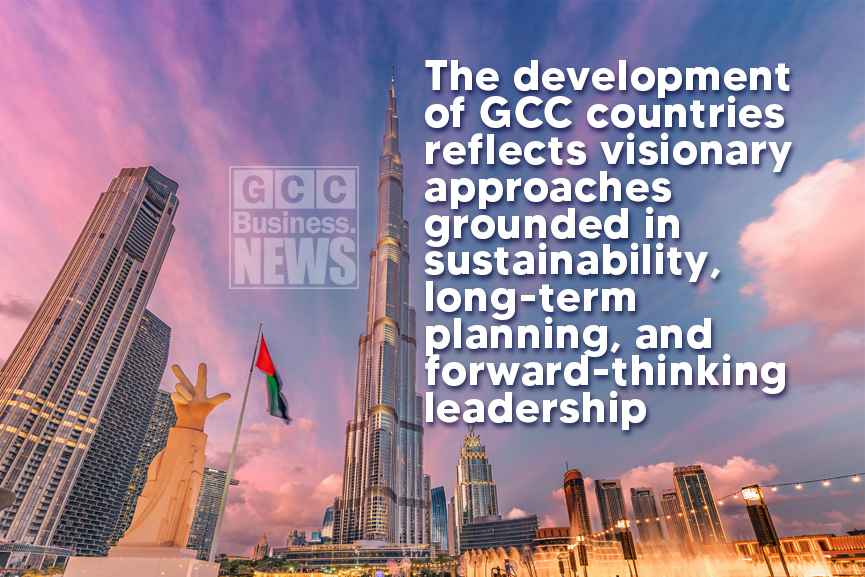
Image Source: EM’s Freepik | Edited and Designed by: GBN
Why It Matters — Globally and Personally
As someone with roots in Europe and deep connections to the Middle East, I see this era not just as a regional success, but as a global case study. The West often talks about innovation in theory; the GCC builds it into concrete.
More importantly, these projects are future-proofing the region. When oil becomes history, it’s this infrastructure — physical, digital, cultural — that will remain standing. And that’s why I continue to invest, advise, and advocate for infrastructure in the Gulf: because it’s not just about return on investment — it’s about return on impact.
To the skeptics who still see the Gulf through a narrow, oil-centric lens: look again. The GCC is no longer building for survival — it is building for significance. These aren’t vanity projects. They are visions rendered in steel, stone, and sustainability.
We are not just constructing cities; we are constructing futures. And in this golden age, infrastructure is the region’s most honest and inspiring storyteller.