The Sultanate of Oman commemorates Oman Industry Day, highlighting the industrial sector as a key driver of economic diversification, a catalyst for export growth, creating employment opportunities, and a cornerstone in the nation’s pursuit of Vision 2040.
Observed annually on 9 February, Oman Industry Day spotlights industrial achievements and emphasizes growing competitiveness in regional and global markets.
The occasion is not only as a celebration of progress, but also a strategic checkpoint that reflects economic priorities and the vital role of industry in long-term sustainability.
This year’s theme, ‘From Oman to the World: Competitive Industry, Global Vision’, emphasizes the nation’s focus on leveraging its strategic geographic position, advanced industrial zones, and supportive investment climate to advance export-oriented manufacturing and global market integration.
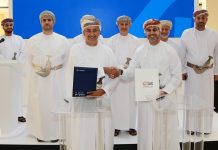
The Ministry of Commerce, Industry and Investment Promotion will host the main Oman Industry Day event on 15 February 2026 under the same theme, under the patronage of Abdulsalam bin Mohammed Al Murshidi, Chairman of the Oman Investment Authority. The program will showcase successful Omani export models, encourage manufacturers to meet international quality standards, and bring in high-value industrial investments targeting global markets.
The leap in industrial growth
The Oman’s ministry statements report that the industrial exports have reached approximately $4.21 billion (RO 1.618 billion) in the first quarter of 2025, accounting for nearly 28 percent of the Sultanate’s total exports. The industrial sector currently contributes about 9.5 percent to GDP, backed by steady growth in electrical equipment and metal products manufacturing.
Non-oil industrial exports have continued to surge, reaching around $16.12 billion (RO 6.2 billion) in 2024. By the end of 2025, contribution of manufacturing industries to the GDP has increased to $10.09 billion (RO 3.879 billion), making a 7.2 percent rise from $9.41 billion (RO 3.620 billion) in 2024.
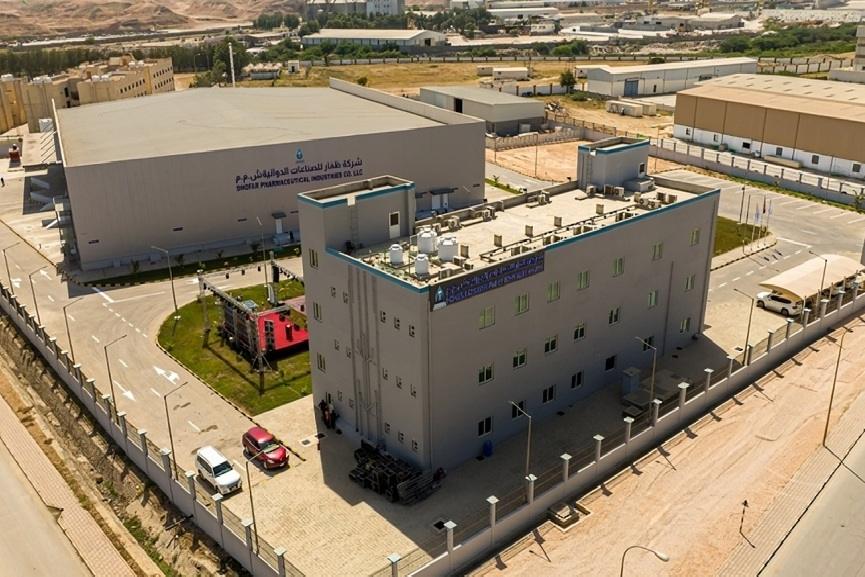
Image credits: ONA | Cropped by GBN
Foreign direct investment in industrial sector have climbed sharply to around $9.07 billion (RO 3.490 billion) in 2025, up 24.6 percent from $7.28 billion (RO 2.800 billion) in 2024, showcasing growth in investor confidence in Oman’s industrial ecosystem and regulatory framework.
Non-oil exports reached approximately $17.90 billion (RO 6.885 billion) in 2025, representing a 10.5 percent year-on-year increase. Industrial sector employments also rose to about 248,000 workers, up from 240,761 in 2024. By the end of 2025, 166 industrial establishments had obtained the National Product Identity designation, while 439 exemption requests were approved, demonstrating the effectiveness of government facilitation measures endorsed through Oman Industry Day initiatives.
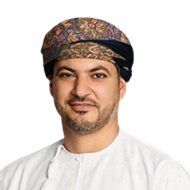
Ghalib bin Said Al Maamari Undersecretary – Oman Ministry of Commerce, Industry Investment Promotion for Commerce and Industry
“The industrial sector’s performance in 2025 validates the success of government policies aimed at cultivating a robust industrial ecosystem and the efficacy of investor-focused incentives and facilities. The concurrent growth in manufacturing output, foreign investment, and non-oil exports signals the sector’s capacity to fulfill national economic diversification objectives. The Ministry is committed to advancing the legislative and regulatory framework governing the industrial sector, streamlining administrative procedures, and deepening collaboration with the private sector. These efforts are designed to elevate the global competitiveness of Omani products and attract high-value investments grounded in advanced technology and innovation, aligning with the overarching goals of Oman Vision 2040.”
Oman Industry Day: Programs and objectives
The Oman’s Industrial Strategy is founded on a clear vision underpinned by four strategic programs and targets five principal objectives:
Diversify manufacturing into technology- and knowledge-intensive sectors
Develop industrial products that enhance public health and well-being
Expand Omani industry regionally and enter new international markets
Upgrade manufacturing capabilities with advanced technologies
Foster a culture of industrial innovation
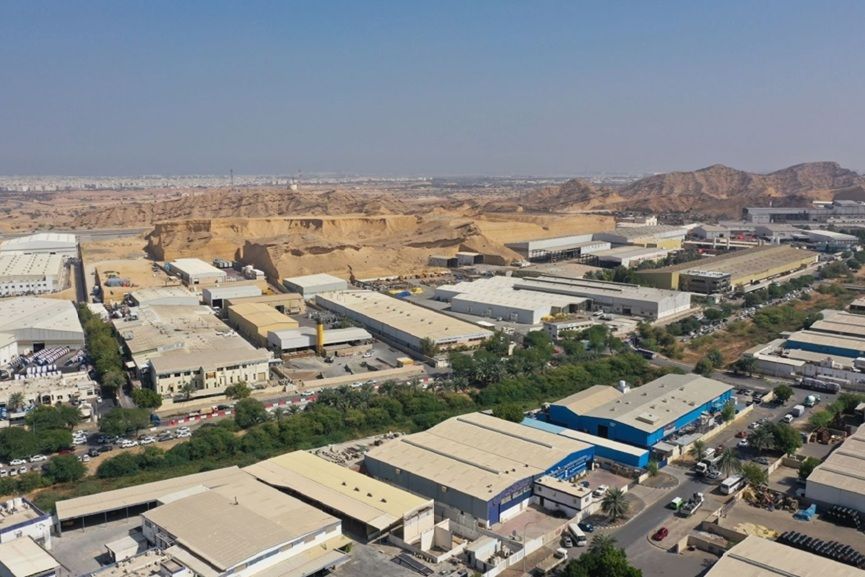
Image credits: MADAYN | Cropped by GBN
High-potential industrial clusters
Strategic focus is directed toward three high-potential industrial clusters:
Resource-based industries: oil refining, metals and mining, food processing
Capital-intensive industries: electrical and mechanical engineering, marine equipment, transportation
Knowledge-based industries: emerging sectors like solar panel manufacturing, hydrogen production, and recycling
The strategy includes 90 initiatives in collaboration with 125 ministry-affiliated entities and 140 partners, with 7 percent completed and 13 percent underway.
Oman Industry Day: Core Pillars and strategic shift
Sustainability and value creation are central pillars of Oman Industry Day. The Sultanate promotes industries that add value to local resources while minimizing environmental impact. Priority growth areas comprise renewable energy, green hydrogen, and eco-friendly manufacturing, reflecting Oman’s commitment to sustainable industrial expansion.
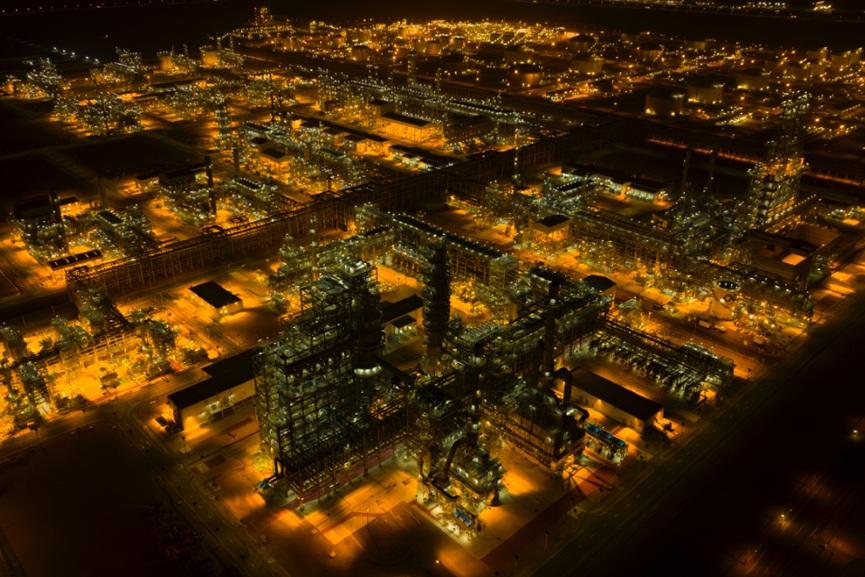
Image credits: ONA | Cropped by GBN
Historically dependent on oil and gas, Oman has been shifting toward a diversified economy. Oman Industry Day convenes policymakers, investors, manufacturers, and innovators to assess the nation’s industrial performance and chart the next phase of transformation.
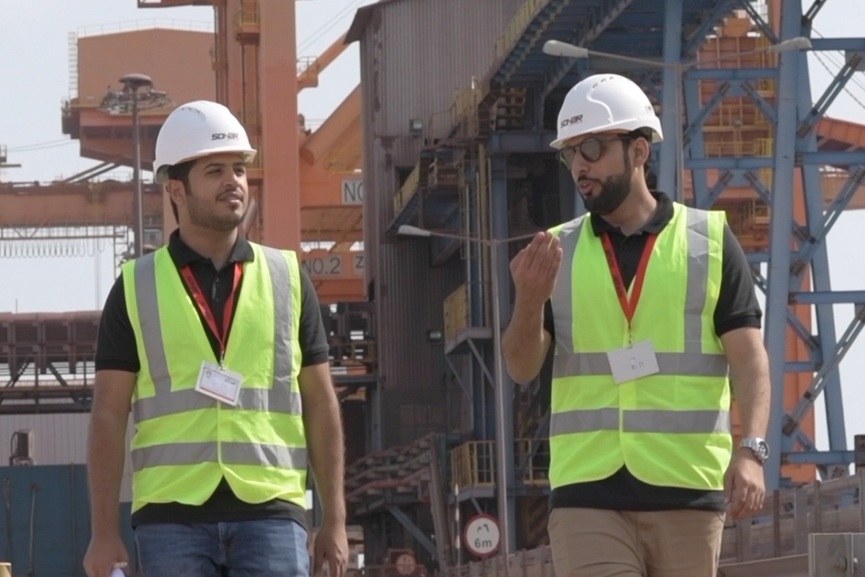
Human capital development is another important priority of the occasion. Investments in education, vocational training, and workforce nationalization have boosted local skills. Oman Industry Day highlights Omani professionals driving factories, supply chains, and innovation, showcasing the industry’s role in quality jobs and talent development.
Image credits: OPAZ | Cropped by GBN
Small and medium-sized enterprises (SMEs) are key industrial partners, supporting larger manufacturers through specialized services and innovation. The government boosts SME participation with soft loans, incubators, and local-content incentives, helping them integrate into broader industrial value chains.
International recognitions
Major International organizations, including the United Nations Industrial Development Organization (UNIDO), the World Bank, Standard & Poor’s, and the International Monetary Fund, have recognized Oman’s industrial progress, identifying manufacturing as a key driver of non-oil economic growth.
On the occasion of this Oman Industry Day, the focus remains on strengthening export competitiveness, advancing innovation, and deepening public-private collaboration to position Omani industry as a resilient and globally competitive contributor to sustainable economic development.