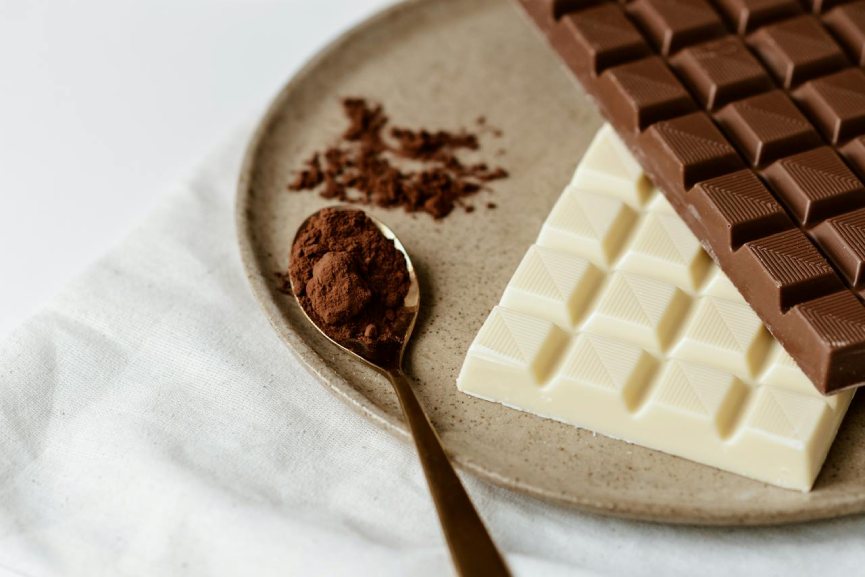
A report in ACS Food Science & Technology has suggested that packing the sweet treats like chocolate with pre- and probiotics could make it more healthful.
Flavoring agents, however, can affect many properties, including the moisture level and protein content of the chocolate product. Probiotics, found in fermented foods such as yogurt and kimchi, are living microbes that improve the gut microbiome, shifting the balance toward beneficial bacteria and yeasts. They can also ease digestive issues and reduce inflammation.
These active cultures need food and protection to survive harsh gut conditions, so prebiotics, substances like dietary fibers and oligosaccharides, are sometimes added to probiotic-containing products to create synbiotic foods.
Because chocolate is a treat that many people enjoy, researchers have used it to test various combinations of pre- and probiotics. Some methods for including prebiotics are laborious, so researchers Smriti Gaur and Shubhi Singh explored prebiotics that would not require extensive processing, corn and honey, in chocolate fortified with probiotics.
The team developed five chocolates for their study. One contained only basic chocolate ingredients, including cocoa butter, cocoa powder and milk powder. Four different synbiotic test samples also contained prebiotics (corn and honey), one probiotic (either Lactobacillus acidophilus La-14 or Lactobacillus rhamnosus GG) and one flavor additive (either cinnamon or orange).
Image Credits: Anete Lusina@Pexels | Cropped by GBN
When the researchers examined several properties of the chocolate samples, they found that fat levels, which influence texture and mouthfeel, were consistent among all five samples. However, there were differences:
Flavorings impacted some characteristics of the synbiotic chocolates. For example, orange flavorings decreased pH, increased moisture and enhanced protein levels compared to all the other samples.
The four synbiotic samples had higher antioxidant levels than the control.
Synbiotic samples had less “snap” compared to the control, suggesting that the additional ingredients disrupted the structure of the chocolate.
The total microbial counts of the synbiotic chocolate samples decreased during storage, but the probiotic microbes still exhibited viability after 125 days. This time period is longer than other researchers have reported when using different bacteria and prebiotics in chocolates.
Finally, when Gaur and Singh exposed the synbiotic chocolates to simulated gastrointestinal conditions, the probiotics in the samples maintained substantial viability for more than 5 hours.
The researchers also snuck a taste of the confections. “Personally, we enjoyed the orange-flavored chocolates the most, where the vibrant citrus notes complemented the rich cocoa, and it had a slightly softer texture that made each bite feel more luxurious. In the future, we are excited to explore additional health benefits of these chocolates while thoroughly investigating their sensory and nutritional profiles, with the goal of creating an even more wholesome and enjoyable treat,” said Gaur.