A new study has found that wearable mobile health technology may help people with Type 2 Diabetes (T2D) stick to exercise routines, encouraging them to manage their condition effectively.
Researchers from international institutions, including Lancaster University, studied recently diagnosed T2D patients in Canada and the UK as they engaged in a home-based physical activity program, with some participants wearing smartwatches synced to a health app.
The ‘Mobile Health Biometrics to Enhance Exercise and Physical Activity Adherence in Type 2 Diabetes (MOTIVATE-T2D) feasibility trial selected participants aged between 40 and 75 years who had been diagnosed with T2D within the past 5-24 months and were managing their condition through lifestyle modification alone or Metformin.
The study found that MOTIVATE-T2D participants were more likely to initiate and carry out exercise when supported by wearable technology, with 125 participants recruited and an 82 percent retention rate after a year. Researchers underscored a range of potential clinical benefits among participants, such as improvements in blood sugar levels and systolic blood pressure.
Professor Céu Mateus Professor of Health Economics – Lancaster University
“The results of this study can contribute to change the lives of many people around the world. There are millions of people suffering from Diabetes type 2 without access to non-pharmacological interventions with sustained results in the long term. Our study shows that independently of the place where you live, your age, your ethnicity, your gender, or your income, there is an exercise program that suits you. In a time where savings to health services budgets are of paramount importance, non-pharmacological interventions contributing to improve equity in access by patients are very valuable for society.”
Co-author Dr. Katie Hesketh, the University of Birmingham, stated that, “We found that using biometrics from wearable technologies offered great promise for encouraging people with newly diagnosed T2D to maintain a home-delivered, personalized exercise program with all the associated health benefits.”
Researchers also found that, in addition to the improvements in blood sugar and systolic blood pressure, the program could help lower cholesterol and enhance quality of life.
The participants gradually increased purposeful exercise of moderate-to-vigorous intensity, aiming for 150 minutes per week by the six-month mark, with virtual behavioral counseling from an exercise specialist to support them.
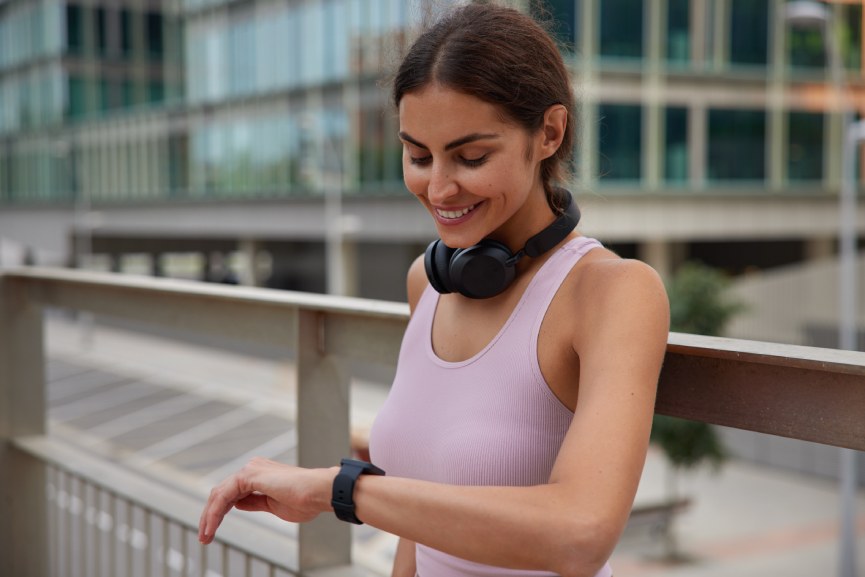
To support the development of personalized physical activity programs, MOTIVATE-T2D utilized biofeedback and data sharing. Wearable technologies included a smartwatch equipped with a 3D accelerometer and optical heart rate monitor, synced with an online coaching platform for the exercise specialist and web/smartphone app for participants.
“The program offered a variety of workouts, including cardio and strength training, that could be done without the need for a gym. Its goal is to make exercise a sustainable part of daily life for people with Type 2 Diabetes, ultimately improving their physical and mental health,” added Dr. Hesketh.