Drawing on the expertise of the integrated perimeter security solutions provider AMAROK, enterprise risk management today goes beyond cybersecurity and internal controls. Physical security is often overlooked, even though many external threats start at the perimeter.
As AMAROK’s deterrence-first approach demonstrates, modern organizations need solutions that prevent incidents before they occur, rather than just respond after the fact. This is especially relevant as they manage higher-value assets, multiple sites and growing exposure to external theft. In this context, the perimeter is a primary control point for managing operational risk.
What Defines Active Security
Active perimeter security refers to systems that deter, detect and trigger a response at the moment of attempted intrusion. A commercial electric fence is a clear example. Instead of acting as a simple boundary, it integrates physical infrastructure with an energized deterrent and alarm response if someone makes contact.
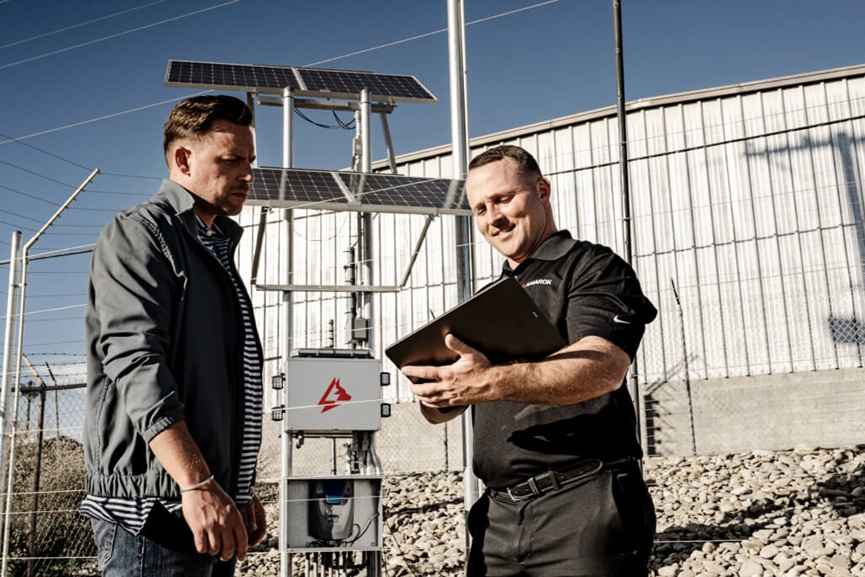
Modern implementations typically include electric fencing alarm systems, video verification for incident confirmation and gate access control. This integrated model closes gaps between systems and ensures that every part of the perimeter contributes to overall risk reduction. However, understanding how it works is only part of the picture.
Why It’s Important for Risk Strategy
Enterprise risk management focuses on reducing both the likelihood and the impact of adverse events. This is critical in the transportation and construction sectors where equipment and materials are common targets.
Stolen assets are just the beginning of the problem. Security incidents disrupt operations, delay work and pull teams away from core priorities. Over time, this can increase insurance costs, added administrative work and reduced profitability.
Reputation is also at risk. Breaches can undermine both customer and employee trust. Therefore, making a strong perimeter strategy a key indicator of operational reliability. When you can prevent a security incident from happening at all, your reputation for deterring risk may strengthen.
How Electric Fencing Changes Risk
Image source: AMAROK | Cropped by Team GBN
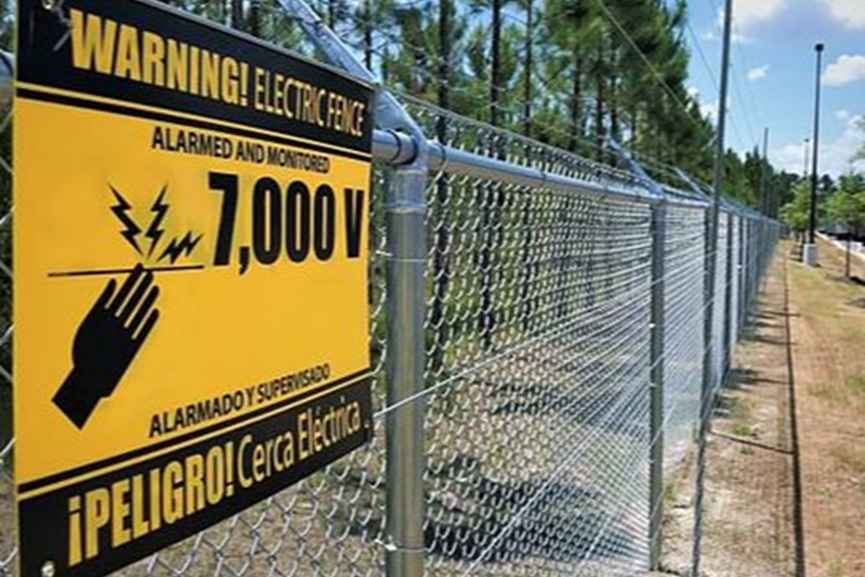
Electric fencing changes perimeter defense from passive to proactive observation. AMAROK’s The Electric Guard Dog Fence delivers a pulsed charge every 1.3 seconds. The tool is still medically safe, but it provides a strong enough deterrent for intruders.
When someone touches the fence, the system immediately activates an alarm. According to AMAROK, its solutions “prevent 99% of external theft for our customers after installation.” For enterprise leaders, that level of prevention can significantly reduce a facility’s risk exposure.
Of course, the fence itself is only part of the equation. Perimeter security is only as strong as its weakest entry point, and gates are often exposed. Integrating gate access control with perimeter systems limits access to only authorized personnel and vehicles. This connected approach eliminates blind spots, enforces consistent access policies and strengthens control across all entry and exit points.
Cost and Operating Model
Security investments are often evaluated based on cost, complexity and return. Traditional approaches often come with high initial costs, ongoing maintenance and multiple vendors to manage. AMAROK’s model addresses this with what it describes as a “security-as-a-service” approach.
Solutions are customized and installed without starting expenses, with customers paying a manageable monthly subscription fee. This shifts security spending from a high entry cost to a predictable operating expense, simplifying the budgeting process. It also includes ongoing maintenance and necessary upgrades to make sure that systems work well in the long run.
Organizations that replace or reduce the need for continuous guard coverage often see meaningful savings. AMAROK notes that customers can significantly reduce annual costs while maintaining stronger perimeter protection.
Compliance and Permitting
Image source: AMAROK | Cropped by Team GBN
A common question is whether a permit is required for electric fence installation for businesses. The answer depends on location, with rules covering fence specifications, voltage and signage. AMAROK provides a dedicated compliance function to manage and simplify permitting. This ensures adherence to all relevant safety protocols and reduces administrative burden.
Safety and Liability
Safety can be the biggest concern with electric fencing. Modern systems are designed to address these directly. AMAROK’s fencing uses a pulsed charge that is medically safe while still acting as an effective deterrent.
The company reinforces this with a clear liability position. “AMAROK, as sole owner of The Electric Guard Dog Fence, guarantees that it will protect and defend you. AMAROK is backed by $11 million in liability insurance and will defend its customers, who are contractually added as additional insured.”
FAQs
Do I need a permit for an electric security fence?
In most cases, yes. Requirements vary by jurisdiction and may cover fence specifications, signage and placement. Working with a provider that manages compliance can make getting the proper permitting easier.
How does electric fencing improve risk management?
An electric fence helps stop intruders by immediately activating alerts when it detects someone touching it. This helps prevent unauthorized access before it results in theft or disruption.
Is electric fencing cost-effective?
Service-based models offer no up-front installation costs and a manageable monthly fee, making it easier to control spending while maintaining strong perimeter protection.
A Strategic Security Shift Toward Active Monitoring
Active perimeter security moves a protection strategy from passive monitoring to proactive deterrence. As AMAROK’s integrated approach demonstrates, combining electric fencing with access control and alert systems helps mitigate risks before they occur, improving resilience and supporting long-term business performance.