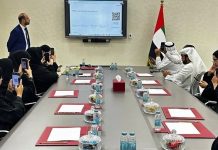
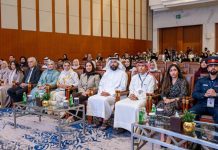
The Mohammed Bin Rashid Space Centre (MBRSC) has successfully launched PHI-1, the first modular satellite platform developed under the Payload Hosting Initiative (PHI) in partnership with the United Nations Office for Outer Space Affairs (UNOOSA) and its global initiative, Access to Space for All.
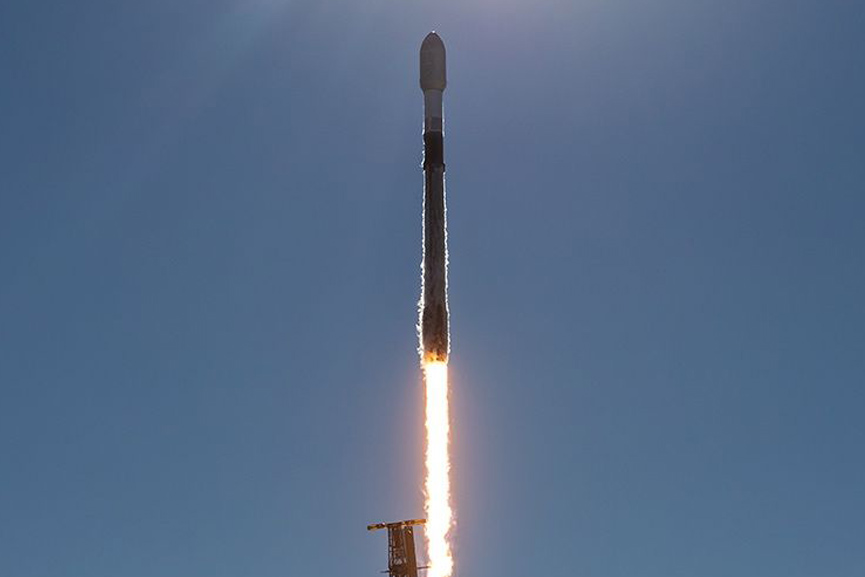
The launch took place on Friday at 10:44 PM UAE time aboard a SpaceX Falcon 9 rocket from Vandenberg Space Force Base in California, USA.
This milestone marks a significant step in the UAE’s mission to broaden participation in space science, research, and technology.
PHI-1 represents the UAE’s mission to democratize access to space by enabling nations and entities to test their technologies in orbit.
As the first satellite developed under the PHI program, it carried payloads from the Bahrain Space Agency, Antarikchya Pratisthan Nepal, MBRSC, and Sharjah Academy for Astronomy, Space Sciences and Technology (SAAST).
The mission strengthens the UAE’s international partnerships and reflects national efforts to support a more inclusive and globally connected space ecosystem.
MBRSC’s PHI-1: A Platform for Technological Innovation
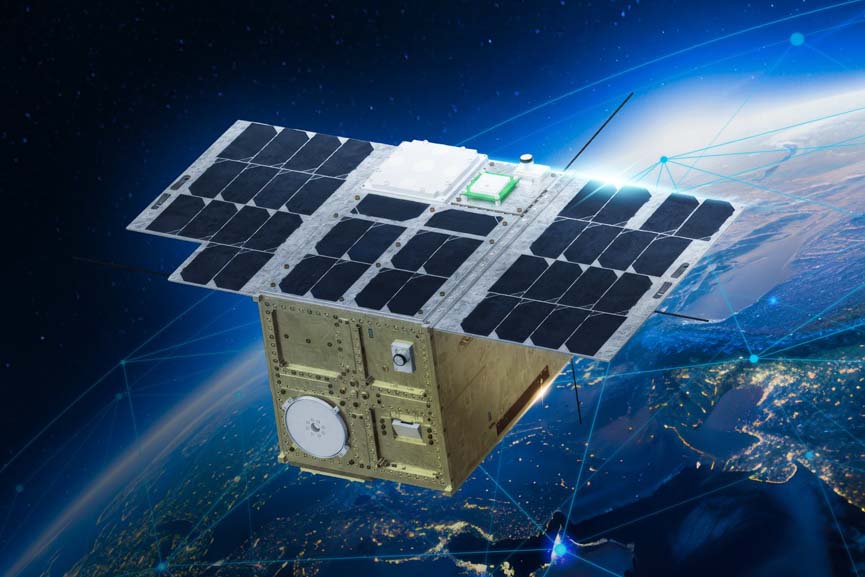
PHI-1 is a 12U CubeSat that is designed to support a range of technology demonstrations that enhance the development of small satellite systems.
With an expected operational lifespan of one year, the spacecraft will enable partner entities to conduct in-orbit testing that strengthens the partners’ capabilities in satellite engineering, data analysis, and real-time mission operations.
Image credits: Dubai Media Office | Cropped by GBN
The mission’s collaborative nature is reflected in its diverse payload suite. The Bahrain Space Agency’s AMAN payload is a technology demonstration that tests Advanced Encryption Standard protocols to enhance satellite communication security, while Antarikchya Pratisthan Nepal has delivered a LoRa Satellite System that explores how LoRa communication technology performs in orbit.
MBRSC’s New-Space Video Camera will capture high-definition images and videos that support technology validation, educational outreach, and Earth observation requests. Meanwhile, the Sharjah Academy for Astronomy, Space Sciences and Technology (SAAST) payload aims to measure temperature and orientation in space using a student-designed printed circuit board.
Designed and Built in the UAE
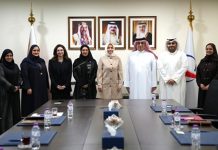
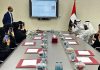
PHI-1 was designed, assembled, and the payloads were fully integrated at MBRSC’s facilities in Dubai. Partner teams worked closely with the Centre’s engineers through each stage of development, from concept design and engineering reviews to testing and flight preparation. MBRSC provided full mission assurance, ensuring that every subsystem and payload met the required standards for successful in-orbit operation.
Image credits: Dubai Media Office | Cropped by GBN
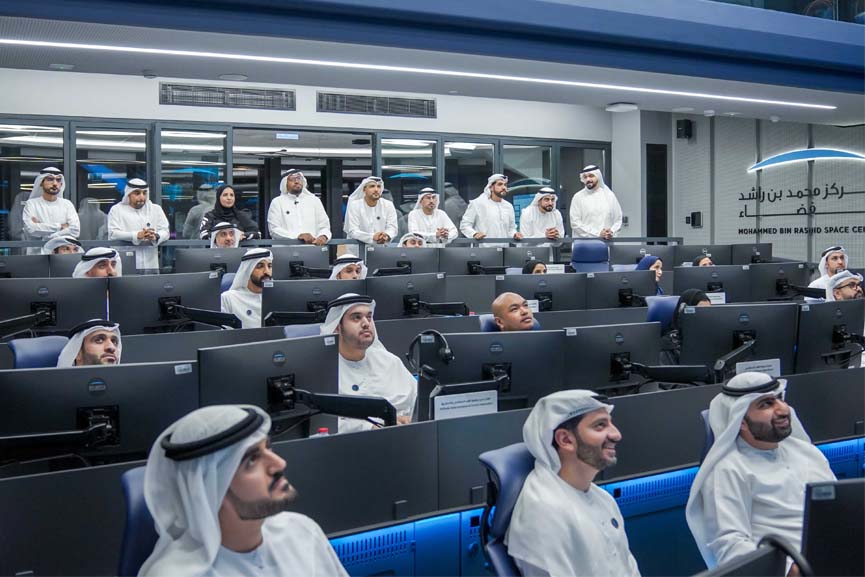
The data from the satellite, which will be received at MBRSC’s Mission Control Centre, will be analyzed and shared with participating organizations, enabling them to advance their research, refine their technologies, and build new scientific capabilities.
PHI-1 further contributes directly to the United Nations Sustainable Development Goals by supporting Quality Education through hands-on training, Decent Work and Economic Growth through innovation-led development, and Industry, Innovation and Infrastructure by expanding access to space technology.
The mission demonstrates how international cooperation, backed by national engineering capability, can create meaningful opportunities that support the global advancement of science and technology.
UAE’s Vision of Empowering Global Space Innovation
Amer AlSayegh AlGhaferi, Assistant Director General of the Aerospace Engineering Sector, MBRSC, said that, “The successful launch of PHI-1 embodies the UAE’s vision of empowering nations, organizations, and educational institutions by giving them opportunities to gain hands-on experience in testing their technology innovations in space.”
Image credits: MBRSC’s LinkedIn account | Cropped by GBN
“This mission highlights the value of combining international cooperation with locally developed engineering capabilities at MBRSC. With the support of UNOOSA, we are creating pathways for researchers and engineers to take part in space missions that advance learning and create long-term scientific benefits. PHI-1 aims to further build an inclusive and collaborative space community that shares knowledge openly and works together to advance humanity,” AlGhaferi added.
“PHI-1 shows how inclusive partnerships open space to more nations, reducing cost and risk, building skills and flight heritage, and accelerating innovation that serves people on Earth. We are proud to partner with MBRSC, and we need projects like this to turn ambition into lasting capability,” noted Aarti Holla-Maini, Director, United Nations Office for Outer Space Affairs.