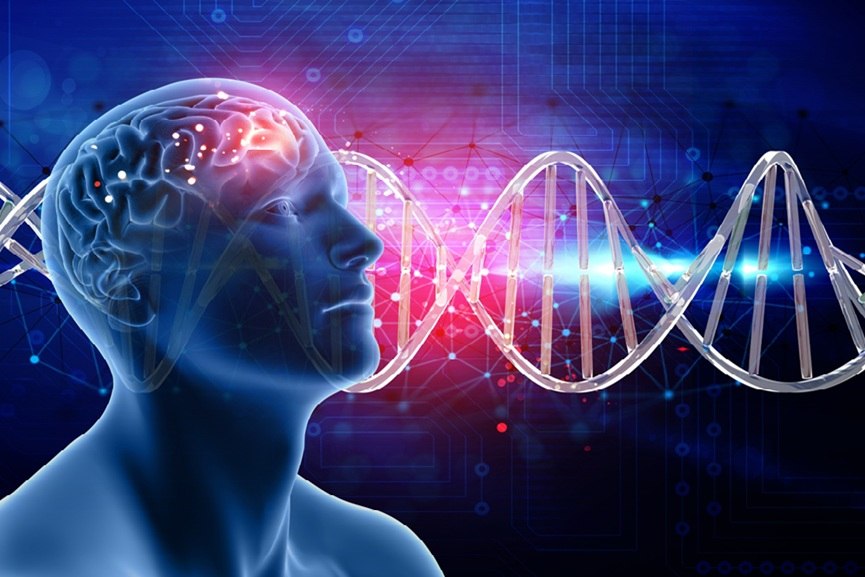
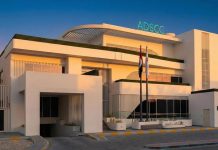
Abu Dhabi Stem Cells Center (ADSCC) has achieved a major milestone in regenerative medicine by developing a method to generate brain stem cells from a patient’s own cells, making Abu Dhabi the first center in the Middle East to join a select group of global institutions advancing treatments for neurological diseases.
The achievement coincides with research efforts in the United States, Europe, and Asia, where leading institutions are exploring similar technologies. Strong government support and strategic investment in the United Arab Emirates have accelerated the development of these techniques and their potential clinical applications.
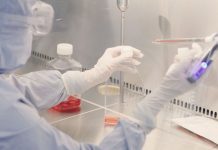
The process to generate brain stem cells begin with a small sample of a patient’s skin or blood. Using advanced virus-free cellular reprogramming, these cells are reverted to a pluripotent stage, regaining the ability to develop into multiple specialized cell types.
Through precise scientific protocols, the cells can then be directed to become neural cells, brain stem cells, cardiac muscle cells, liver cells, or other specialized types. Once reprogrammed, the cells are expanded in controlled laboratory conditions to produce brain stem cells capable of repairing or replacing damaged neural tissue.
Professor Angelo L. Vescovi, who serves as Professor of Cell Biology at the University of Milano-Bicocca and Senior Scientific Researcher at ADSCC, emphasized the transformative potential of the technique, explaining that using a patient’s own cells to create neural stem cells provides an extraordinary opportunity in regenerative medicine and could pave the way for future therapies to repair damaged brain and spinal cord tissues.
The breakthrough could lead to therapies for complex neurological conditions, including Parkinson’s disease, Alzheimer’s disease, amyotrophic lateral sclerosis (ALS), spinal cord injuries, and other disorders. A key advantage is that patient-derived cells reduce the risk of immune rejection and may minimize the need for long-term immunosuppressive drugs typically required in tissue transplantation.
Researcher Fabio Miravina stressed that virus-free cellular reprogramming is crucial for safety, allowing brain stem cells to retain a patient’s genetic identity while meeting strict clinical standards.
Researcher Lorenzo De Rosa said ADSCC’s next focus is scaling up cell production, standardizing lab protocols, and developing manufacturing processes that meet international regulatory requirements for future clinical applications.
This advancement underscores the UAE’s growing role in regenerative medicine and advanced cellular therapies. With ongoing investment in scientific research and innovation, Abu Dhabi aims to position itself as a global hub for life sciences and develop therapeutic technologies to improve patient care across the region and worldwide.