Boston researchers have linked artificial nighttime light exposure to greater stress-related brain activity and inflamed arteries, signaling a higher risk of heart disease.
The study suggests that artificial nighttime light disrupts normal stress responses, leading to chronic inflammation. Experts call for reducing unnecessary light in cities and homes to protect cardiovascular health.
Preliminary Analysis
A preliminary analysis to be presented at the American Heart Association’s Scientific Sessions 2025 found that greater artificial nighttime light correlated with increased brain stress signals, inflamed blood vessels, and higher heart disease risk.
The investigators described artificial nighttime light, often called nighttime light pollution, as nearly universal in modern urban settings. This first-of-its-kind work combined brain imaging and satellite measurements to outline a biological pathway that may connect nighttime brightness with cardiovascular risk.
“We know that environmental factors, such as air and noise pollution, can lead to heart disease by affecting our nerves and blood vessels through stress. Light pollution is very common; however, we don’t know much about how it affects the heart,” said study senior author Shady Abohashem, M.D., M.P.H., head of cardiac PET/CT imaging trials at Massachusetts General Hospital and an instructor at Harvard Medical School in Boston.
All participants had the same combined Positron Emission Tomography/Computed Tomography (PET/CT) scan. This study of 450 adults only included subjects with no heart disease and no active cancer. “This is a routine imaging test at my hospital,” Abohashem added. “The CT portion provides detailed anatomy, while the PET portion reveals metabolic activity in tissues. Using both imaging techniques together allows for the measurement of brain stress activity and arterial inflammation in a single scan.”
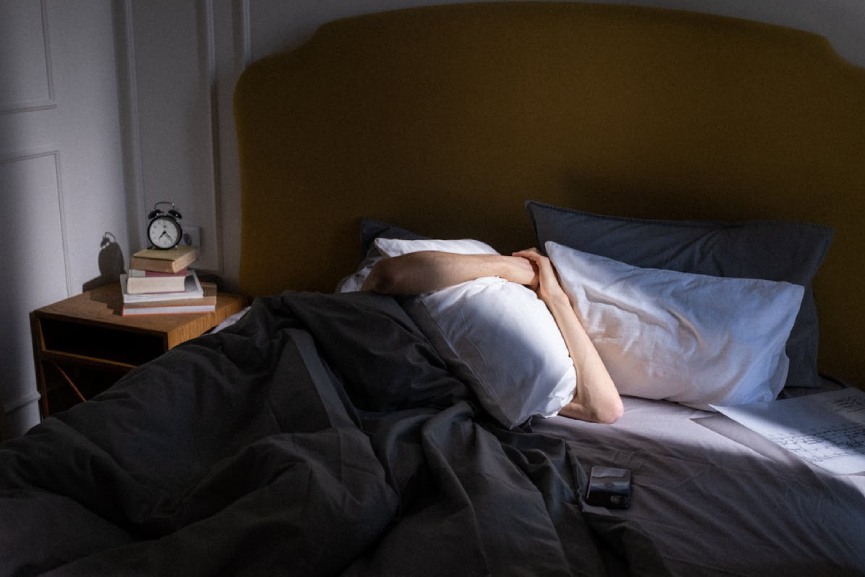
Image Via: Ron Lach@Pexels | Cropped by GBN
Key Results
People exposed to higher levels of artificial light at night had higher brain stress activity, blood vessel inflammation and a higher risk of major heart events. This information was collected from medical records and evaluated by two cardiologists who were blinded, meaning they were unaware of any information that could influence their decisions.
The greater the artificial night light exposure, the higher the risk of heart disease development. Every standard deviation increase in light exposure was associated with about a 35 percent and 22 percent increased risk of heart disease over five- and 10-year follow-up periods, respectively. These associations remained after accounting for traditional risk factors and other socio-environmental exposures like noise pollution and socioeconomic status.
In addition, these heart risks were higher among participants who lived in areas with additional social or environmental stress, such as high traffic noise or lower neighborhood income.
Over a 10-year follow-up period, 17 percent of participants had major heart conditions.
“These findings are novel and add to the evidence suggesting that reducing exposure to excessive artificial light at night is a public health concern,” said Julio Fernandez-Mendoza, Ph.D., DBSM, FAHA, who is on the writing committee of Multidimensional Sleep Health: Definitions and Implications for Cardiometabolic Health: A Scientific Statement From the American Heart Association.