On International Women’s Day, every year on March 8, the world comes together to honor the countless social, economic, and political achievements of women, recognizing their crucial role in creating positive change in every corner of society.
While the International Women’s Day focuses on gender equality, it also shines a light on the remarkable strides women have made in every sector, especially in the realm of business.
Women entrepreneurs are not only challenging social norms but are also playing an increasingly critical role in economic growth, job creation, innovation, and community development.
International Women’s Day has been celebrated since the early 1900s, a period of great expansion and turmoil in the industrialized world, which saw population growth and the rise of radical ideologies.
In 1908, around 15,000 women marched in New York City calling for shorter working hours, better pay, and the right to vote. A year later, activist Clara Zetkin proposed the idea of an international women’s day dedicated to women’s rights at a conference in Copenhagen. The proposal received strong support, and the day soon began to be observed in many countries.
In 1975, the United Nations (UN) officially recognized International Women’s Day, and March 8 has since become globally recognized as a day to celebrate women’s rights and equality.
International Women’s Day 2026 Theme
For International Women’s Day 2026, the official theme is “Rights. Justice. Action. For ALL Women and Girls.” The International Women’s Day theme focuses on ensuring that legal rights and protections for women are not just written in laws but also implemented in everyday life.
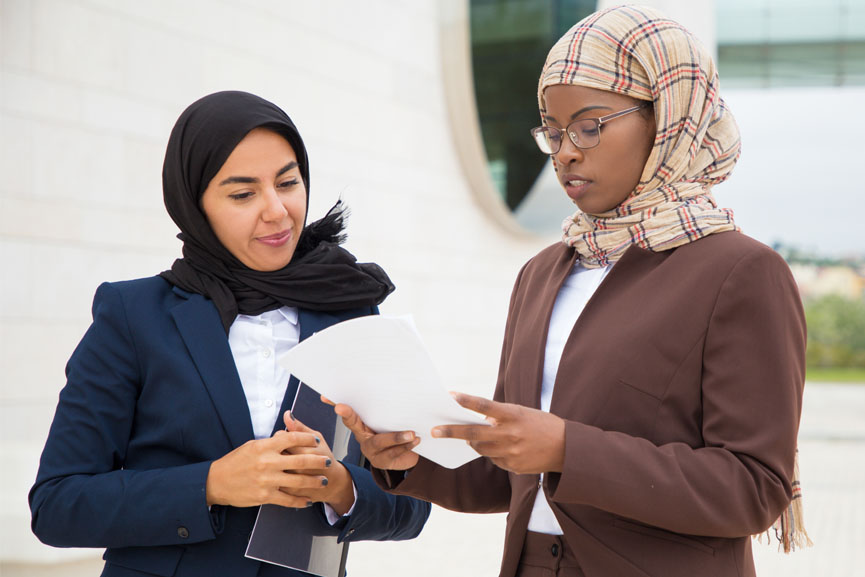
Image credits: freepik | Cropped by GBN
For UNESCO, the International Women’s Day’s theme speaks to the everyday realities of women and girls: the right to learn and share knowledge, to create and express themselves freely, to access reliable information, to be safe in public and digital spaces, and to participate fully in cultural, scientific, and social life.
As we celebrate women’s achievements in this International Women’s Day, it’s essential to recognize how women in business are not only influencing economies but also paving the way for greater gender equality and empowerment.
While the global conversation around women’s rights continues to evolve, the GCC countries have embraced this momentum by implementing transformative changes that have opened up new opportunities for women in business.
Women in Business: Breaking Barriers in GCC Countries
The Gulf Cooperation Council (GCC) countries have made significant progress in promoting gender equality and empowering women entrepreneurs in recent years.
Although challenges remain to be overcome in traditional sectors, women in the GCC are increasingly taking on leadership roles, starting successful businesses, and making significant contributions to the local economy.
Saudi Arabia, a country traditionally known for its conservative approach toward gender roles, has seen significant changes. The reforms, such as the lifting of the driving ban on women and greater participation in the workforce, have enabled women to take on senior roles.
The UAE has been a leader in promoting women’s leadership in business. Dubai, in particular, has become a regional hub for female entrepreneurs. Several initiatives, like the Dubai Women’s Establishment and the Women’s Business Council, work to promote gender equality and encourage women to lead businesses and contribute to the country’s economic diversification.
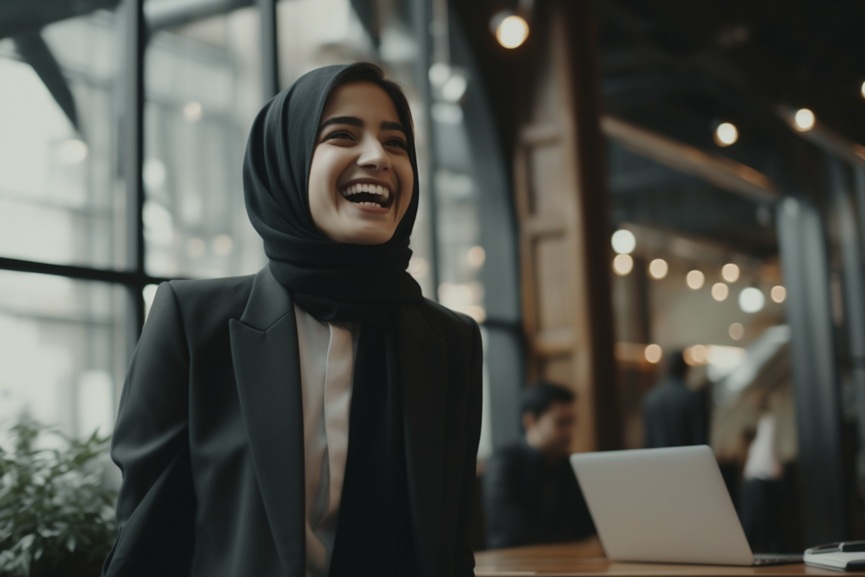
Image credits: pch.vector @ freepik | Cropped by GBN
Sharjah-based NAMA Women Advancement (NAMA) is empowering women with practical financial knowledge and tools to make informed personal and professional decisions through various Financial Literacy Programs.
Reem Mall, Agility, startAD, and Curate launched ‘The Emirati Concept at Curate,’ a new community partnership designed to accelerate the growth of high-potential, Emirati women-owned SMEs.
Also, the For Her program is an initiative launched by Dubai Electricity and Water Authority (DEWA) to promote gender equality and empower women in the workplace. The program is designed to support women in leadership positions and provide career development opportunities, specifically within the energy and utilities sectors.
In Qatar, the Qatar Foundation (QF) offers various programs to empower women, especially in education and leadership. One prominent initiative is the Women in Leadership Program, designed to foster the next generation of female leaders in Qatar. This program provides training, mentorship, and networking opportunities for women in senior management roles across diverse industries.
Other GCC countries are also seeing women in leadership roles, such as Bahrain, where women make up nearly 50 percent of the workforce. The Supreme Council for Women (SCW) established the Bahrain Women’s Development Fund (BWDF), which has been crucial in assisting female entrepreneurs in obtaining funding to start and expand their enterprises.
Kuwait has also made progress, with women now holding high-level positions in sectors like banking and finance, while Oman has prioritized women’s education, leading to an increase in the number of women-owned businesses.
Image Credits: Freepik | Cropped by GBN
Challenges Faced by Women in Business
While women in the GCC are making impressive strides in business and leadership, several challenges remain that hinder their full participation and success. These barriers vary from access to capital to entrenched societal norms. These are some of the key obstacles that women entrepreneurs and business leaders continue to face:
Access to Capital: Women in business often find it harder to secure venture capital and investment than their male counterparts. In GCC countries, traditional views about gender roles still shape financial decision-making, with many women entrepreneurs struggling to access the funds needed to grow their businesses.
Gender Pay Gap: Even as women make inroads into leadership positions, pay inequality persists. Studies show that women in the GCC still earn less than men for performing similar roles, with the gap being more prominent in certain sectors like finance and technology.
Workplace Discrimination and Bias: Gender bias continues to be an issue in many industries, where women face discrimination in hiring, promotions, and project allocations. This bias can manifest in both overt and subtle forms, which may prevent women from advancing or gaining the recognition they deserve.
Fears and Concerns: A lack of confidence or social support can make women hesitant to take risks. Also, concerns regarding personal safety, particularly in certain regions, can limit travel and, consequently, business growth.
Work-Life Balance: Working women often face significant work-life balance issues due to the pressure of balancing professional responsibilities with, traditionally, higher shares of household and childcare responsibilities. This conflict often leads to high stress, burnout, and reduced well-being, commonly driven by long work hours, rigid schedules, and limited support.
Celebrating Women in Business Every Day
International Women’s Day is an opportunity to reflect on the progress made by women in business and to continue advocating for greater gender equality. By continuing to support women in entrepreneurship, advocating for equal opportunities, and dismantling the barriers that still exist, we can ensure that future generations of women will have an even greater impact on the global economy.