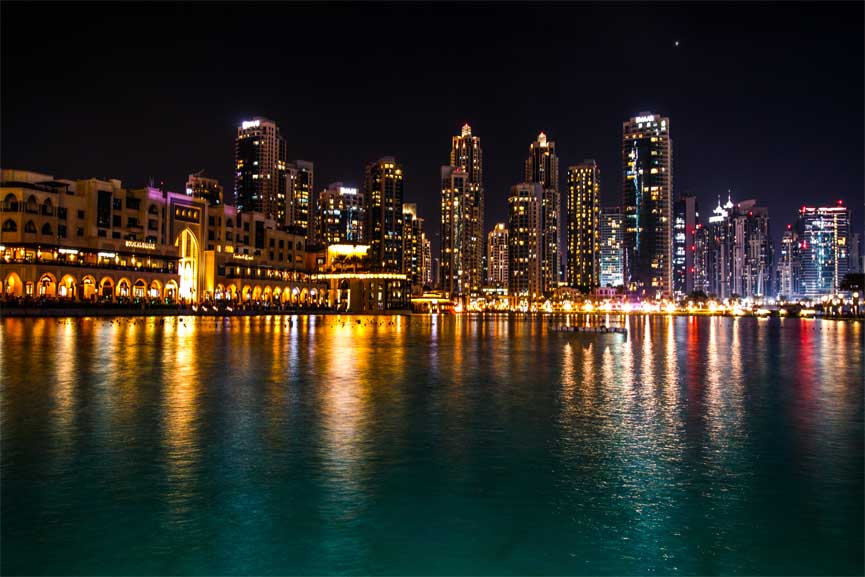
The United Arab Emirates (UAE) has become a key international destination offering luxury tourism experiences combining the benefits of the modern age with the classic Arabian welcome and hospitality․
Luxury has also become a market‚ where millennials and high net worth individuals demand experiences that go beyond what luxury has been defined as in the past․
What sets the UAE apart is that in addition to world-class resorts‚ Michelin-starred dining‚ extravagant shopping, and hyper luxury events‚ the UAE boasts unique experiences synonymous with the world’s luxury lifestyle․
This article outlines how and why the UAE has become synonymous with luxury travel and the technology that is keeping the country on the radar of travelers and companies alike․
The Growing Appeal of Luxury Tourism
Luxury tourism is now defined as the purchase of unique experiences that appeal to the individual tastes and preferences of the luxury traveler and is the highest segment of the tourism industry․ This includes stays at private luxury villas‚ luxury boutique hotels‚ exclusive luxury yachts‚ and chartered private jets‚ all of which are designed to be exclusively tailored for the needs or tastes of each individual․
According to the report from Allied Market Research, the global luxury travel market was valued at $890.8 billion in 2023 and is expected to reach $2.15 trillion by 2035, growing at a compound annual growth rate (CAGR) of 7.4 percent.
Image credits: mrsiraphol @ freepik | Cropped by GBN
The growth is driven by the rising number of middle-class and high-net-worth individuals (HNIs) in the Asia Pacific region and other emerging markets, a shift toward luxury travel as a unique experience rather than a status symbol, and the expansion of luxury products and services in emerging economies like the UAE.
The UAE: A Magnet for Affluent Travelers
According to the Ken Research, the UAE’s luxury tourism market is valued at approximately $20 billion, based on a five-year historical analysis. This impressive figure is a direct result of several factors, including the influx of high-net-worth individuals, rising disposable incomes, and the UAE’s strategic positioning as a global luxury hub.
One of the key factors driving the UAE’s success in luxury tourism is its focus on innovation. The country has invested heavily in tourism infrastructure, including iconic resorts, private islands, and ultra-luxurious shopping malls. Furthermore, institutional and governmental push to host high-profile events such as the Dubai International Film Festival and Formula 1 Grand Prix in Abu Dhabi have enhanced the UAE’s global standing as a luxury destination.
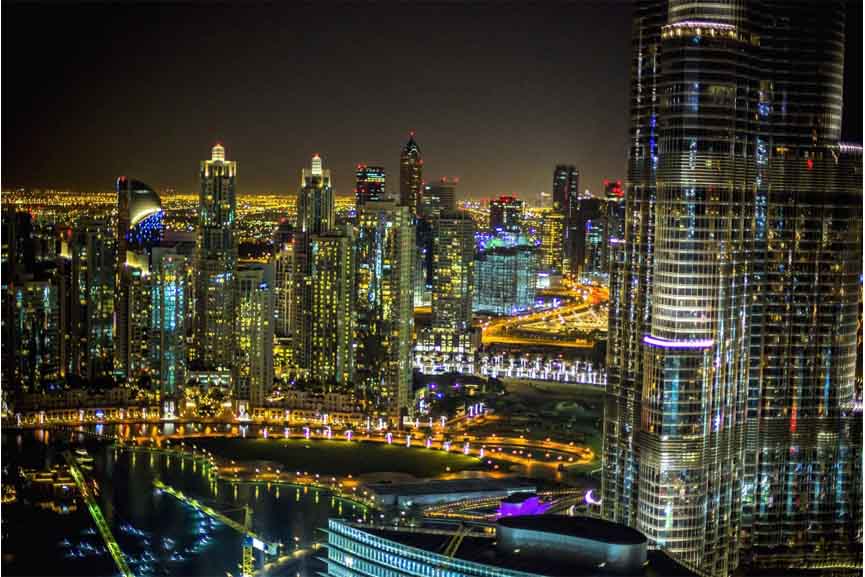
For example, the Burj Al Arab Jumeirah, often referred to as the world’s only 7-star hotel, offers a level of luxury that is virtually unmatched. From its stunning suites and private beaches to the convenience of helicopter transfers, this place offers exclusive experiences that draw in celebrities and royalty from all corners of the globe.
Personalized Experiences and Exclusive Accommodations
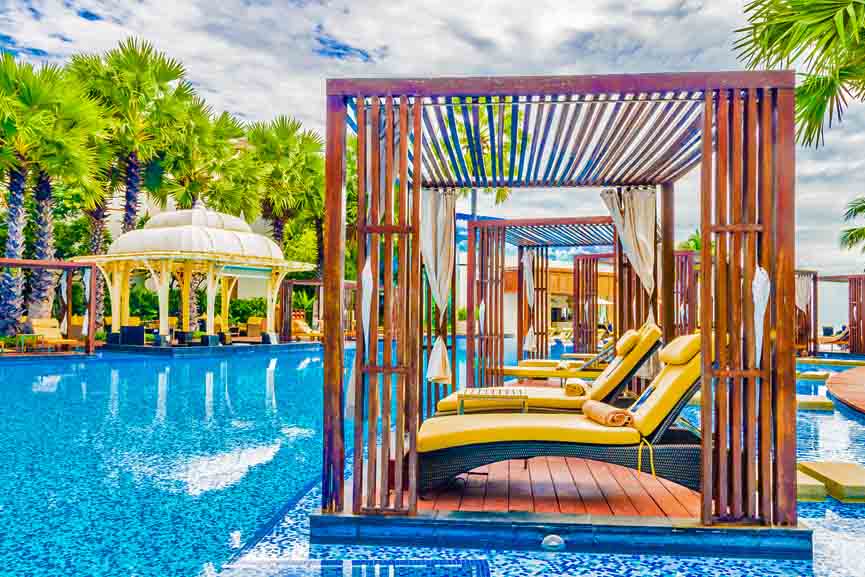
When it comes to luxury tourism, exclusivity is everything. The luxury hotels and resorts in the UAE really get this, providing personalized experiences that cater to the unique desires of each guest. Many of these upscale accommodations, including private villas, boutique resorts, and heritage properties, come with top-notch amenities, all while ensuring a sense of intimacy and privacy that affluent travelers often crave.
Image Credits: ArthurHidden @ freepik | Cropped by GBN
Private transport options like chartered jets and luxury yachts are often part of the package, allowing guests to travel in style from one extravagant location to the next. This emphasis on personalized and seamless travel is truly a hallmark of the luxury tourism scene in the region.
Innovations Redefining the Luxury Travel Experience
As the luxury tourism market continues to evolve, the UAE is leading the way in introducing new technologies and design innovations that are shaping the future of travel. In 2026, some of the world’s most iconic hotels are set to undergo extensive renovations, a transformation that will redefine hospitality standards and set new trends for the luxury market.
These upgrades are not just about aesthetic changes; they’re about integrating cutting-edge technology into the guest experience. For example, some hotels are incorporating artificial intelligence (AI) to personalize guest interactions, with systems that anticipate guests’ needs before they even ask.
Moreover, sustainability is becoming an important part of luxury travel. Many UAE hotels and resorts are incorporating eco-friendly design features, including energy-efficient lighting, water-saving technologies, and sustainable materials to attract environmentally conscious travelers.
Hotel Classification: Ensuring the Highest Standards
To ensure that luxury travelers experience the best the UAE has to offer, the UAE Ministry of Economy and Tourism has implemented a comprehensive hotel classification system. This system helps visitors make informed decisions about where they stay by setting mandatory minimum standards for accommodations and services. Hotels, resorts, and holiday homes are required to meet specific criteria, such as offering exceptional service, high-quality amenities, and state-of-the-art facilities.
Image credits: PxHere | Cropped by GBN
The classification system also helps boost the UAE’s appeal to international travelers, offering a clear and reliable benchmark for luxury accommodations. As a result, both new and established hotels are committed to continuous improvement, making the UAE’s hospitality sector one of the most competitive in the world.
Economic Impact of Luxury Tourism in the UAE
Contribution to GDP: It’s important to highlight just how much luxury tourism boosts the UAE’s GDP. For example, what percentage of national revenues comes from this sector? Sharing specific figures will definitely catch the attention of those with a business mindset.
Job Creation: The luxury tourism industry plays a significant role in creating jobs in the UAE, especially in areas like hospitality, event management, and high-end retail. Also, there are employment opportunities available for both locals and expatriates in this thriving field.
Multiplier Effect: The luxury tourism industry isn’t just a standalone sector; it has a broad impact on many others. For example, it drives real estate with luxury hotels and private villas, boosts retail through high-end shopping and luxury brands, affects transportation with private jets and yacht rentals, and supports services like concierge and private guides. Spotting these connections should give a sense of how much the industry impacts the economy․
A Bright Future for Luxury Tourism in the UAE
Looking forward‚ the future of luxury tourism in the UAE is very positive․ With its location‚ cutting-edge infrastructure, and unrivaled experiences to offer‚ elite travelers and high net worth individuals (HNIs) are flocking to the UAE in increasing numbers․
The UAE’s emphasis on consistently innovating and exceeding the expectations of high net worth travelers alike has helped strengthen its position as one of the world’s leading luxury tourism destinations․ With a continued focus on providing world-class offerings and experiences‚ the UAE will remain foremost on any luxury traveler’s consideration set as the industry keeps developing and adapt․