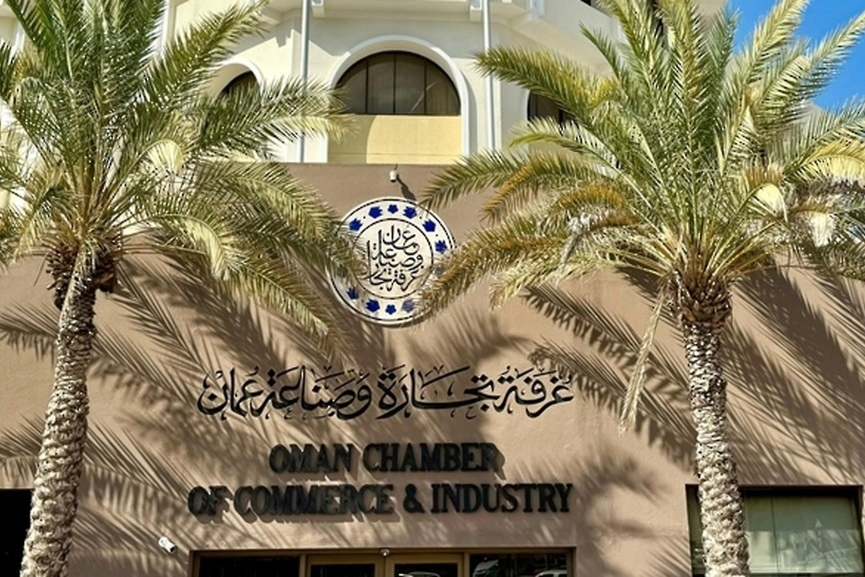
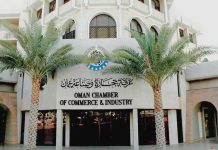
The Oman Chamber of Commerce and Industry (OCCI) will launch five specialized training programs to strengthen private sector capabilities and enhance operational efficiency across key economic sectors, including industry, tourism, agriculture, logistics, and mining.
The initiative is part of the Chamber’s broader strategic agenda, which focuses on improving the business environment, expanding economic diversification, and fostering partnerships in the development of Oman’s governorates.
The training programs include the Industrial Excellence and Export Program, Sustainable National Tourism Leadership Program, Model Farm Management Program, Logistics and Supply Chain Management Program, and Mining Projects Management Program.
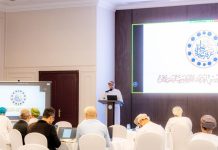
Each is designed to equip business owners and professionals with both theoretical knowledge and practical expertise through a blend of classroom learning, field visits, and applied project work.
The programs aim to enhance institutional performance, improve productivity, and boost competitiveness across Oman’s private sector by developing technical, managerial, and leadership capabilities.
Faisal bin Abdullah Al Rawas, Chairman of the Chamber, stated that empowering the private sector is central to achieving sustainable economic development. He highlighted that investing in human capital remains a critical driver of institutional competitiveness and long-term growth.
Zakaria bin Abdullah Al-Saadi, Chief Executive Officer of the Chamber, noted that the programs are designed to enhance workforce efficiency and enable businesses to contribute more effectively to national economic objectives. Al-Saadi added that the initiative also focuses on strengthening leadership competencies within small and medium-sized enterprises, preparing them for evolving market demands.
The Industrial Excellence and Export Program will focus on improving manufacturing efficiency and expanding global market access, while the tourism program aims to support sustainable and culturally driven tourism ventures.
The Model Farm Management Program will promote advanced agricultural practices and resource optimization, whereas the logistics program is geared toward enhancing supply chain efficiency and reducing operational costs.
The mining program, meanwhile, emphasizes sustainable resource management, operational efficiency, and adherence to safety and environmental standards.
These programs will be implemented across multiple governorates, ensuring broad-based participation and regional economic impact.