The Strait of Hormuz, a narrow waterway connecting the Persian Gulf with the Arabian Sea, has again become an area of concern for the global economy.
The worsening of the Middle East crisis has disrupted maritime trade in the passage, with serious implications for the Gulf Cooperation Council (GCC) states and the global energy market.
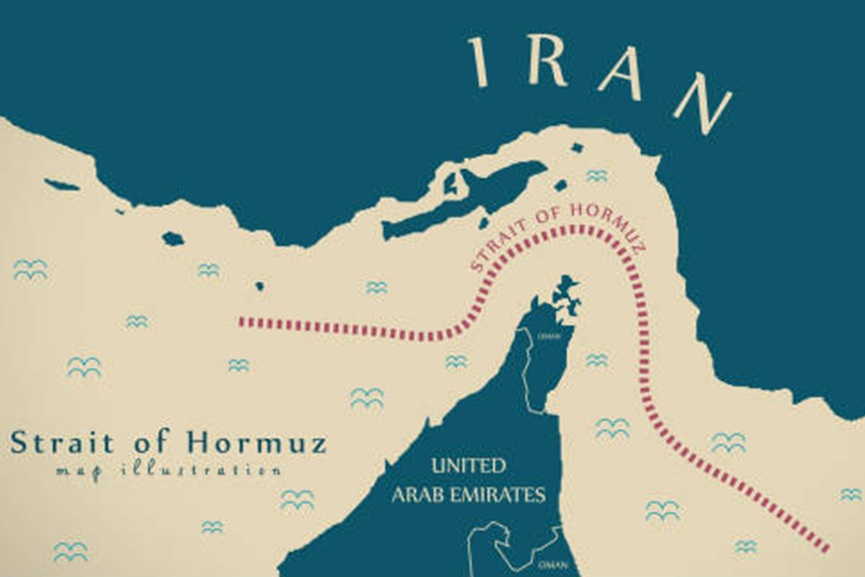
The Strait of Hormuz is a water passage of about 104 nautical miles between Iran to the north and Oman and the United Arab Emirates (UAE) to the south, serving as the only maritime gateway between the oil-rich Persian Gulf and the open waters of the Gulf of Oman and the Arabian Sea.
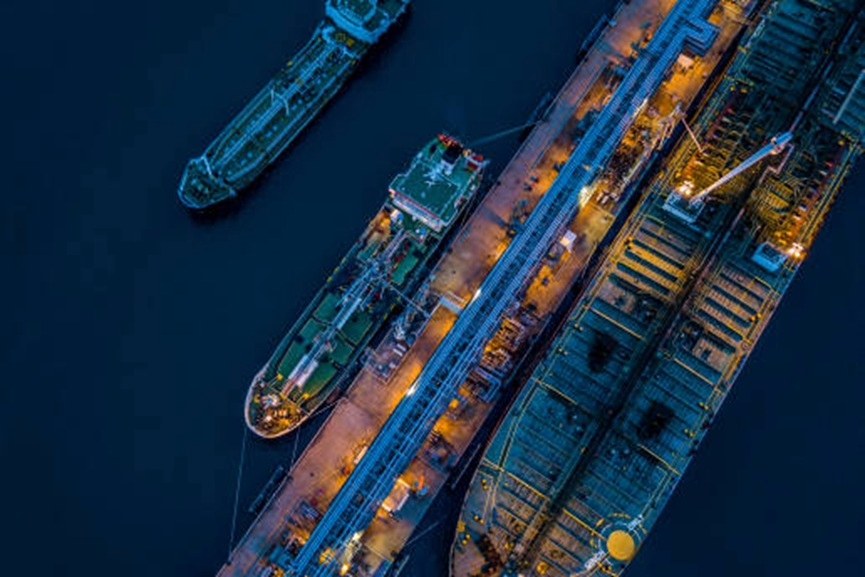
Although the strait appears small on the geographical map of the region, it is one of the most vital energy routes in the world, as about 20 million barrels of oil are transported daily through the strait, which accounts for about 20 percent of the global sea-borne oil exports, in addition to a substantial amount of LNG.
Strategic geography and Economic importance
The strait is only over 20 miles in width at its narrowest point, with the identified unidirectional shipping lanes being only two miles in width.
These shipping lanes serve as the primary medium of transportation of hydrocarbon exports from the Persian Gulf to the energy consumption hubs of China, India, Japan, Korea, and Europe.
The GCC countries of Saudi Arabia, Kuwait, Qatar, Bahrain, UAE, and Oman generate a significant portion of their government revenues and export income from the sale of crude oil, natural gas, and petroleum derivatives.
The Strait of Hormuz is the principal route for exporting crude oil, natural gas, and petrochemical products. It also serves as a critical entry point for imports of food, fertilizers, manufactured goods, and industrial materials.
There are no alternative export routes of the same magnitude for the exports of natural gas and other energy resources, particularly for the State of Qatar, where it exports almost all of its LNG exports through the maritime routes of the strait.
Several islands and geographical features such as the Hormuz, Qeshm, and Larak Islands on the Iranian side of the strait and the Musandam Peninsula on the Omani side of the strait further increase the strategic importance of the strait for military, economic, and geopolitical interests.
Crisis Impact: Shipping halt and Energy market shock
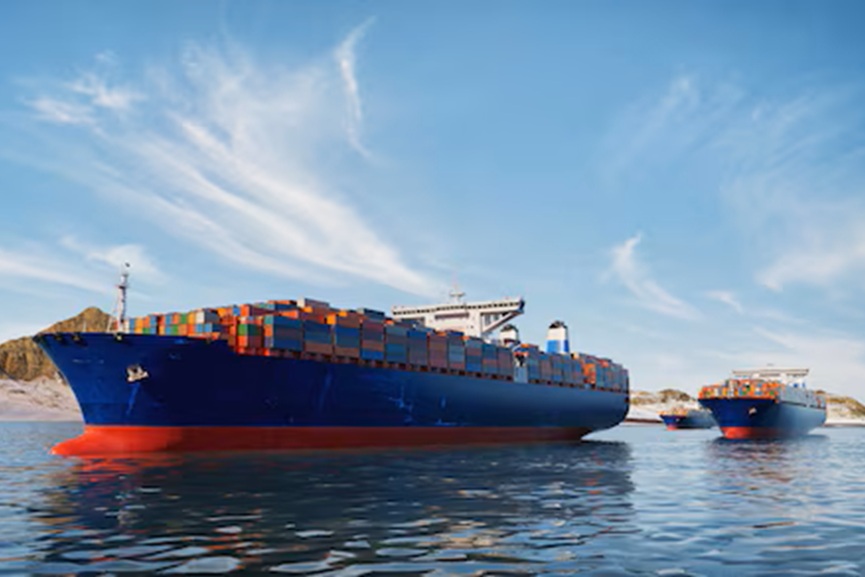
An escalation in military hostilities between the United States, Israel, and Iran led to an effective halt in maritime traffic through the strait.
This disruption in the strait affects the heart of global energy movements:
- Tanker loadings from Gulf ports have declined, leading to reduced export levels from the Middle East. (S&P Global)
- Brent oil prices rose above $100 per barrel due to sharply reduced oil supply expectations and increased geopolitical risk premiums. (Wikipedia)
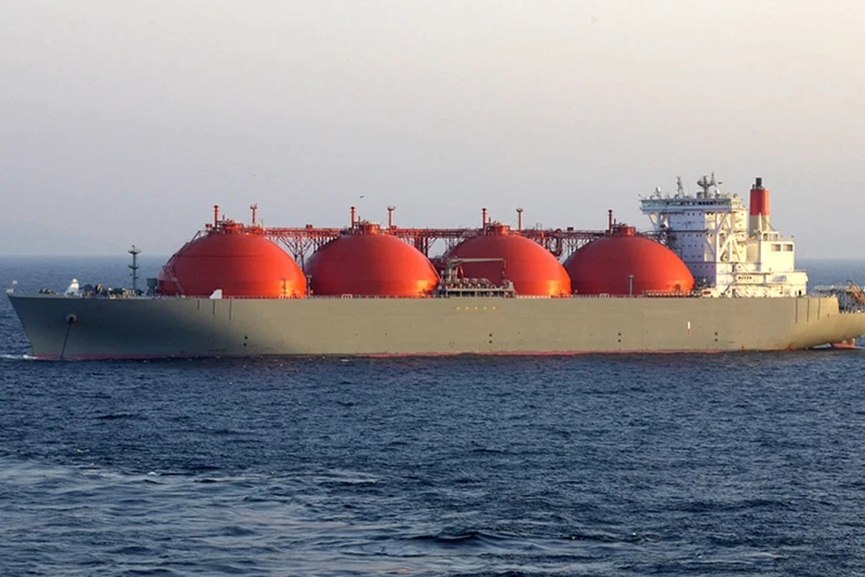
- LNG movements, accounting for one-quarter of total global LNG trade, face an acute shortage due to the lack of alternative routes that can match the capacity of Hormuz-linked routes. (S&P Global)
Financial institutions, like Barclays, have increased their oil price forecasts in response to the recent disruptions in the strait, stating that oil prices could remain high if the strait remains closed for an extended period.
Implications for GCC export revenues
For the GCC countries, the disruption highlights the underlying structural risk in economies that are heavily reliant upon petroleum exports passing through a single geographic choke point.
Around 14.7 million barrels per day of crude oil normally pass through the strait; however, alternatives like Saudi’s East-West Pipeline Project, connecting its eastern oil fields to the Red Sea port of Yanbu, and the UAE’s Habshan-Fujairah Pipeline, which carries oil from Abu Dhabi to the port of Fujairah on the Gulf of Oman, can only carry a fraction of this volume.
Bahrain, Qatar, and Kuwait do not have alternatives to bypass their crude oil traffic and are therefore more vulnerable to the disruption in maritime transit.
Adjusting the supply chain to bypass the strait by passing through the Cape of Good Hope route or using land routes like pipelines will result in increased transit time, increased freight rates, and higher war risk insurance premiums, which will affect the producer’s margin.
Global market repercussions and Energy security
While the GCC countries represent a considerable share of the world’s oil and gas exports, the repercussions of the Hormuz disruption are felt far beyond the region itself:
- Asian Energy Dependence:
China, India, Japan, and South Korea combined receive nearly three-fourths of their crude oil and LNG imports that normally pass through Hormuz.
Such disruptions and price volatilities put considerable stress on these energy-importing countries’ balance of payments and inflationary trends.
- LNG Supply Constraints:
The world’s LNG market currently does not have any spare capacity to offset the disruptions caused by the Hormuz crisis. This makes it difficult to replace the lost volumes and maintain electricity production for countries that import this fuel.
- Shipping and Insurance Costs:
Due to the high insurance costs or unwillingness to insure vessels passing through the Hormuz Strait, the region’s terminals are facing a problem where vessels are either stranded outside Hormuz or are forced to go around Africa, thus adding weeks to their journey and greatly increasing their costs.
- Trade and Supply Chain:
The high freight costs are not only affecting the energy sector but are having a broader impact on the world’s logistics for manufactured products and commodities, particularly for countries that use a just-in-time delivery system.
Economic Resilience and Policy Interventions
Among the Gulf Cooperation Council nations, the following range of economic and strategic interventions is observed to reduce the impact:
- There is evidence that some nations are tapping into their strategic oil reserves or seeking alternative pipeline capacity.
- There is reliance on the financial buffers and wealth accumulated over the years, as well as the move towards economic diversification, particularly in non-hydrocarbon sectors.
- There is enhanced cooperation at the international level regarding maritime security, as well as enhanced collective diplomacy, owing to the high level of geopolitics.
Despite various economic and strategic measures, economists observe that the structural dependence on the Strait of Hormuz for export routes means any prolonged disruption would significantly weaken regional economies.
The situation in the Strait of Hormuz remains in a state of flux, as regional conflict in the Middle East continues to impact international markets and economic projections.
What began as a strategic military conflict has escalated to an important economic event, challenging the strength of GCC economies and leading to a re-evaluation of international energy security strategies.
For the GCC, ensuring stable and diverse export routes is no longer an issue of pure economic efficiency but one of fiscal and geopolitical stability.
For the international economy, the conflict serves as an important reminder of the risks associated with concentrated trade routes and the strategic importance of diverse trade routes.
As long as a significant percentage of the world’s oil and LNG travels through this Persian Gulf trade route, the stability of the international energy system and, in turn, the international economy will be inextricably linked to the stability of the Strait of Hormuz.
Popular | Explore the world after dark: The rise of Noctourism