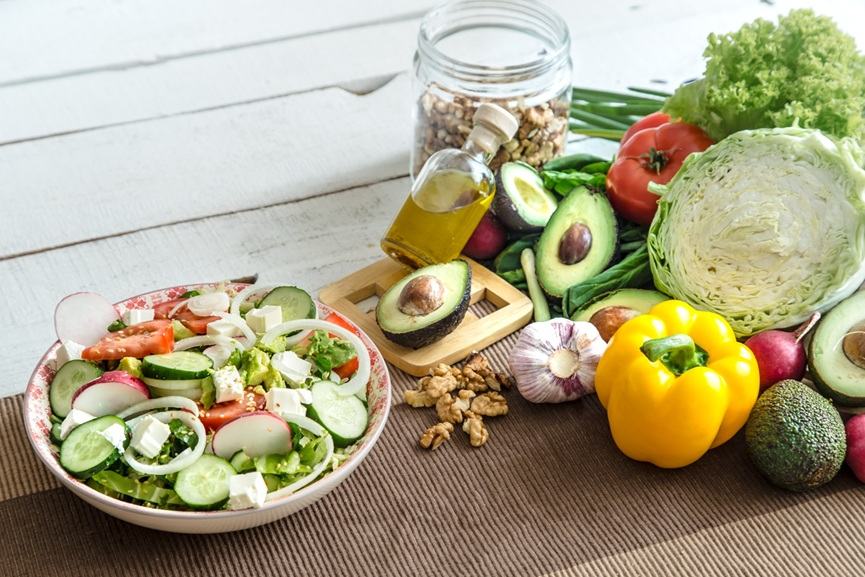
A healthy diet continues to be one of the most effective ways to support both physical and mental wellbeing, however research consistently shows that balanced nutrition can reduce the risk of serious health conditions, including type 2 diabetes, cardiovascular disease, certain cancers, and even depression.
But health experts are now sounding the alarm over a growing obsession with ‘clean eating’, warning that what begins as a commitment to healthy living can sometimes develop into harmful food-related behaviors. As social media continues to influence dietary choices, specialists say the line between healthy eating and unhealthy eating patterns is becoming increasingly blurred.
Growing popularity of clean eating
Clean eating is generally described as a way of eating that focuses on foods perceived as healthy, natural, or nutritionally superior. For many people, it is promoted as a pathway to better health and wellness.
However, experts caution that problems can arise when the pursuit of healthy eating becomes overly restrictive. In some cases, individuals begin avoiding entire food groups or labeling certain foods as unhealthy, impure, or unacceptable.
The clean eating movement has gained widespread popularity through social media platforms such as Instagram and TikTok, where wellness content often encourages followers to eliminate processed foods and embrace so-called pure ingredients.
Rep Image Credits: Magnific | Cropped by GBN
According to health professionals, much of the advice shared online comes from influencers rather than qualified healthcare providers, increasing the risk of misinformation and unrealistic expectations about diet and health.
Difference between clean eating & disordered eating
Experts stress that making mindful food choices and maintaining a healthy diet are not inherently problematic. The concern emerges when eating habits become governed by rigid rules and personal self-worth becomes closely connected to food choices.
When this happens, individuals may experience guilt, anxiety, or emotional distress after eating foods they consider unhealthy.
Rep Image Credits: Magnific | Cropped by GBN
Health professionals describe disordered eating as a broad range of problematic eating behaviors that may not meet the criteria for a clinical eating disorder but can still have significant effects on physical and mental health.
Common examples include chronic dieting, skipping meals, binge eating, compulsive exercise, ongoing body image concerns, and an excessive focus on food, calories, or eating habits.
When eating behaviors become a mental health condition
Eating disorders are recognized mental health conditions that can significantly affect how individuals think about food, body weight, and body image. These disorders often have long-term consequences and, in severe cases, can become life-threatening.
Examples include anorexia nervosa, bulimia nervosa, binge eating disorder, and avoidant/restrictive food intake disorder. Another condition frequently linked to the clean eating movement is orthorexia nervosa.
Rep Image Credits: pvproductions@Magnific | Cropped by GBN
While it is not formally classified as an eating disorder, orthorexia is characterized by an intense preoccupation with healthy eating that can lead to highly restrictive food rules.
Experts say this fixation can negatively impact physical health, social relationships, and overall quality of life. Researchers believe disordered eating develops through a complex combination of factors, including genetics, dieting history, perfectionist personality traits, anxiety, body image concerns, social pressures, family influences, and exposure to appearance-focused messaging.
Because these influences differ from person to person, some individuals may be more vulnerable than others to developing unhealthy relationships with food.
Warning signs that clean eating has gone too far
Health experts emphasize that even healthy eating can become harmful when it turns into an obsession.
Potential warning signs of ‘excessive’ clean eating include:
Creating increasingly strict food rules and labeling foods as either ‘good’ or ‘bad’.
Feeling guilty, anxious, or distressed after eating foods perceived as unhealthy.
Avoiding social events or gatherings involving food out of fear of breaking dietary rules.
Spending excessive time planning, researching, or thinking about food.
Experiencing stress, restriction, and anxiety around eating rather than enjoyment and nourishment.
Supporting someone who may be struggling
Experts recommend approaching concerns about a loved one’s eating habits with empathy, patience, and understanding.
Rep Image Credits: Magnific | Cropped by GBN
Some practical ways to offer support include:
Choosing a calm and private environment for conversations.
Focusing on overall wellbeing rather than appearance or specific food choices.
Listening without judgment and trying to understand their perspective.
Avoiding arguments about food or attempts to directly challenge their dietary rules.
Encouraging them to seek support from a qualified healthcare professional when necessary.
Health professionals stress that while maintaining a nutritious diet is important, long-term health is best supported by balance, flexibility, and a healthy relationship with food rather than strict dietary perfection.