As AI continues to reshape the global financial landscape, 2025 brings exciting new trends to the forefront.
From hyper-personalized banking and AI-driven investments to real-time fraud prevention, Global Entrepreneur Roman Ziemian explores how the GCC is leveraging artificial intelligence to lead the future of finance while addressing its ethical implications and transformative potential.
The financial industry has always been at the forefront of innovation, adapting to new technologies to serve a rapidly changing world. But as we step into 2025, it’s clear that artificial intelligence (AI) is not just another technological trend—it’s a transformative force reshaping the very foundation of finance.
For someone like me, who has built businesses at the intersection of technology and strategy, witnessing this AI revolution is both exciting and deeply personal. The GCC region, with its forward-thinking policies and commitment to innovation, is uniquely positioned to lead this transformation. Let’s explore the trends shaping AI in finance this year and what they mean for businesses and individuals alike.
AI in Finance: The Game Changer
The integration of AI into finance is no longer limited to niche applications. Today, AI powers everything from fraud detection systems to personalized wealth management tools. It’s remarkable how algorithms now analyze vast amounts of data in seconds, providing insights that were once the domain of human expertise.
Roman Ziemian
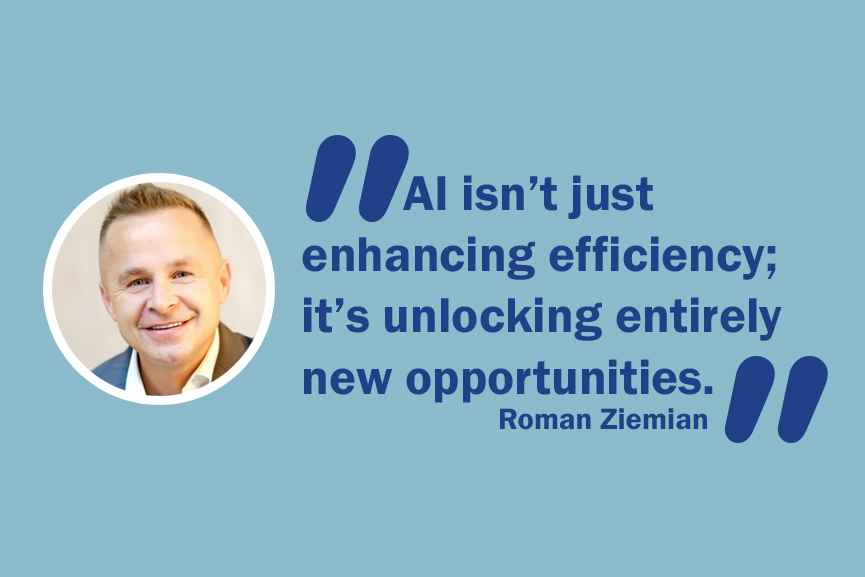
In the GCC, this shift is particularly profound. The region’s ambitious vision for a diversified, AI-driven economy—exemplified by initiatives like the UAE’s National AI Strategy—has created fertile ground for financial institutions to innovate. AI isn’t just enhancing efficiency; it’s unlocking entirely new opportunities.
Personalized Financial Experiences
One of the most exciting trends in 2025 is the rise of hyper-personalised financial services. AI’s ability to analyze user behavior, preferences, and financial history allows banks and fintech companies to tailor services to the individual level.
Imagine this: You log into your banking app, and instead of a generic interface, you’re greeted by a virtual financial advisor who knows your spending habits, investment goals, and even your travel plans. They recommend tailored investment opportunities or suggest saving strategies based on your upcoming expenses.
This level of personalization isn’t science fiction—it’s already happening. GCC-based banks like Emirates NBD have started integrating AI-driven tools to offer smarter customer experiences. For business owners and entrepreneurs, this means access to financial products that truly align with their unique needs, fueling growth and innovation across sectors.
AI-Powered Fraud Prevention
Rep. Image | Source: EM’s FP User ID: 140976548
In a world where cybercrime is becoming increasingly sophisticated, AI has emerged as the ultimate watchdog. Traditional fraud detection systems often relied on static rules, making them slow and, frankly, outdated. But AI’s ability to identify anomalies in real-time has revolutionized fraud prevention.
For example, machine learning models can now detect suspicious patterns, like an unusual transaction from an unfamiliar location, and immediately flag it. This is crucial in the GCC, where the adoption of digital payments and e-commerce is soaring. Ensuring consumer trust in these systems is vital for sustained growth.
In my own ventures, I’ve seen how AI-driven cybersecurity not only protects assets but also builds confidence among customers. It’s a powerful reminder that trust is the currency of the future, and AI is the guardian ensuring its stability.
The Rise of AI-Powered Investments
As someone deeply passionate about entrepreneurship, I’ve always believed in the power of informed decision-making. In finance, AI is now enabling a new generation of investors to make smarter, data-driven choices.
In 2025, robo-advisors have evolved into sophisticated platforms capable of managing complex portfolios. They don’t just recommend investments based on broad market trends; they analyze thousands of data points—from geopolitical events to social media sentiment—to provide tailored strategies.
For entrepreneurs in the GCC, this democratization of financial expertise is a game-changer. Whether you’re a small business owner looking to expand or a tech startup seeking funding, AI-powered investment tools can guide you toward achieving your goals.
Ethical AI and the Human Touch
While the benefits of AI in finance are undeniable, it’s important to address the ethical implications. Algorithms are only as unbiased as the data they’re trained on, and ensuring fairness in financial decision-making is critical.
In the GCC, where inclusivity and equality are becoming central to economic policies, financial institutions must prioritize ethical AI practices. This means transparent algorithms, rigorous audits, and a commitment to protecting consumer privacy.
At the same time, I believe that the human touch will remain indispensable. AI can analyse data, but it cannot replace the empathy and understanding that come from human interactions. The future of finance lies in a harmonious blend of AI-driven efficiency and human-centered service.
A Vision for the Future
Rep. Image | Source: EM’s FP User ID: 140976548
As we look ahead, the possibilities for AI in finance are endless. Imagine smart cities where your financial needs are seamlessly integrated into your daily life—where AI anticipates your requirements before you even realize them. The GCC, with its visionary leadership and appetite for innovation, is perfectly positioned to pioneer this future.
For entrepreneurs like me, this is a call to action. Embracing AI isn’t just about staying relevant; it’s about leading the charge toward a more efficient, inclusive, and innovative financial ecosystem. Together, we can ensure that the GCC continues to set the global standard for what’s possible.
The journey is just beginning. And as I’ve learned through my own experiences, the key to success lies in embracing change and seizing opportunities. AI in finance is the next big opportunity—and the time to act is now.