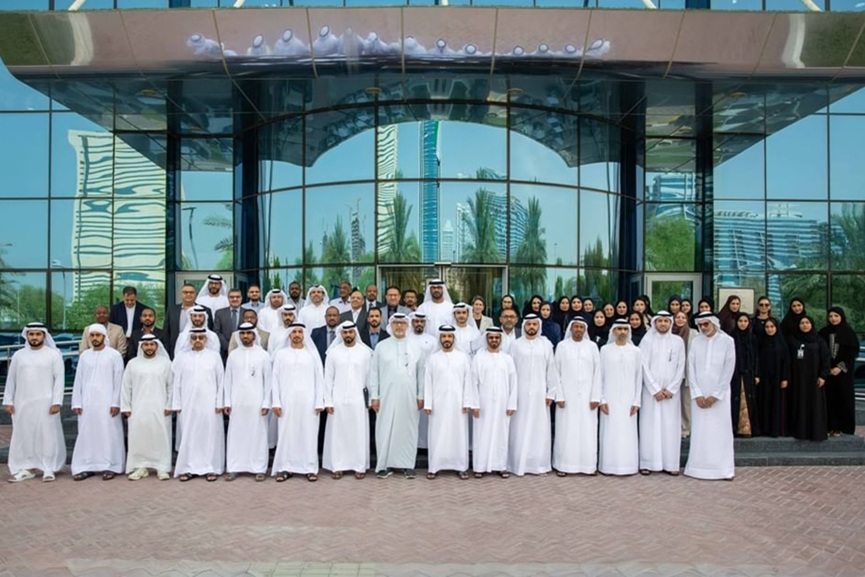
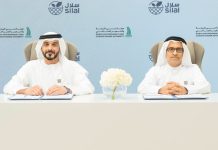
The UAE Ministry of Climate Change and Environment (MOCCAE), in collaboration with the Food and Agriculture Organization of the United Nations (FAO), has launched a workshop to develop future-ready legislation aimed at accelerating innovation, sustainability, and food security in the agriculture sector.
Held under the theme ‘Legislations of the Future’, the workshop supports the UAE’s efforts to build an agile regulatory ecosystem that encourages innovation while strengthening national food security and sustainable agricultural development.
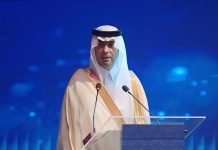
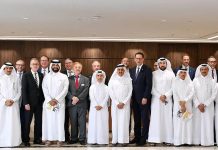
The event was inaugurated by Dr. Mohammed Salman Al Hammadi, Assistant Under-Secretary for the Food Diversity Sector at MOCCAE, and brought together representatives from government entities, FAO, the private sector, academia, research institutions, and international experts in agriculture, food policy, and regulation.
UAE-FAO workshop Focus on future-ready regulations
The workshop featured interactive sessions covering three key areas of sustainable food security, with discussions centered on removing legislative and environmental barriers to accelerate the adoption of advanced agricultural technologies.
Participants explored policies supporting agritech, livestock development, food safety, and natural resource management, while examining regulatory approaches to strengthen efficient and sustainable food supply chains.
Agritech, water efficiency in focus
The first session examined water resource management in conventional farming, strategies to increase local food production, reduce waste, improve food system productivity, and accelerate approvals for emerging agricultural technologies. Discussions also covered regulatory frameworks for alternative proteins, non-traditional animal feed, and expanding market access for locally produced food.
The second session focused on creating flexible regulatory sandbox frameworks to attract agritech startups. Participants reviewed international best practices in vertical farming, cultivated meat, alternative proteins, water scarcity management, and biosecurity systems, including regulatory models adopted in Australia, California, and Chile.
The final session outlined an implementation roadmap, including timelines and key performance indicators to support future regulatory reforms.
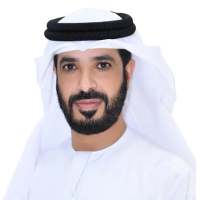
Mohammed Salman Al Hammadi Assistant Under-Secretary, Food Diversity Sector – UAE MOCCAE
“Guided by the UAE’s visionary leadership, we remain committed to developing agile and forward-looking regulatory frameworks that keep pace with rapid transformation across the agriculture and food sectors. These frameworks will foster innovation, improve the efficient use of natural resources, accelerate the adoption of advanced technologies, and contribute to building a more resilient and sustainable food system. MOCCAE continues to work with national and international partners to create a regulatory environment that promotes innovation, attracts investment, and enables private sector participation in advancing the UAE’s long-term food security goals.”
Dr. Ahmed Mukhtar, Acting Head of the FAO Sub-Regional Office in the UAE, said that, “Food security and forward-looking legislation are the foundation of a resilient agrifood system. The FAO office is proud to collaborate with the UAE Ministry of Climate Change and Environment in developing flexible regulatory frameworks that accommodate innovation in agriculture, food safety, and animal health, and in promoting international standards across the food value chain. This workshop reflects FAO’s shared commitment to ensuring access to safe and nutritious food for all, while advancing the UAE’s vision for sustainable and resilient food systems.”
Under the initiative, the UAE aims to reduce licensing timelines for new agritech ventures by 50 percent, onboard around 10 agritech startups into the regulatory sandbox during its first year, cut irrigation water use per ton of crop by 30 percent, and reduce overall food waste by 15 percent.