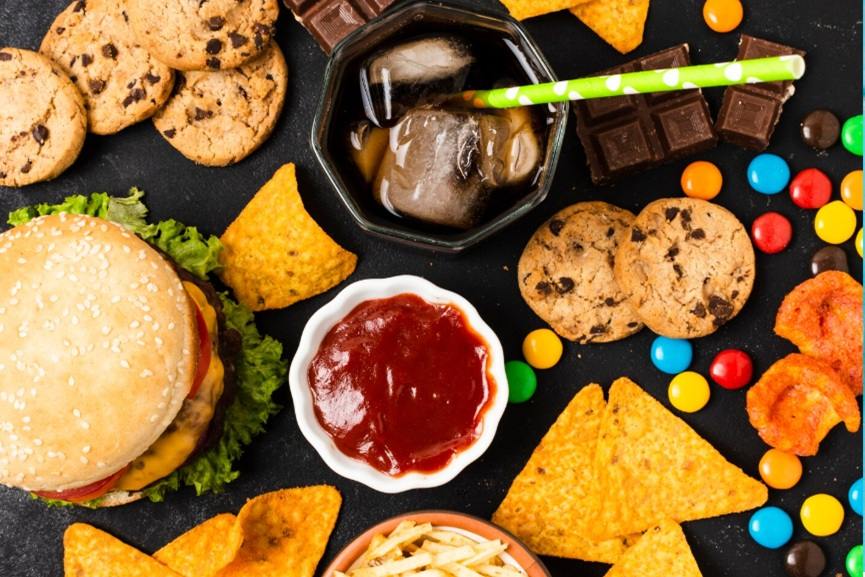
Ultra-processed foods are no longer just a convenient option, they’ve become a dominant force in global diets, reshaping eating habits and influencing what people consume on a daily basis across both developed and developing countries.
From soft drinks to packaged snacks and ready meals, these products now make up roughly 70 percent of items lining supermarket shelves, with even higher shares in convenience stores. And despite mounting evidence linking them to serious health risks, consumption continues to rise.
New research reveals this isn’t accidental. Behind the scenes, food companies are carefully designing and marketing ultra-processed foods to tap into human biology, behavior, and emotion, making them hard to resist and easy to overconsume.
Ultra-processed foods, often referred to as UPFs, are industrial formulations built from inexpensive ingredients extracted from whole foods, combined with additives, and containing little to no actual whole food. According to findings highlighted in leading public health research, these products are engineered for maximum appeal.
One key strategy is the use of highly addictive ingredient combinations, especially refined carbohydrates and fats. These activate separate reward systems in the brain, and when combined, they amplify cravings. Food scientists fine-tune these blends to hit sensory ‘sweet spots,’ maximizing pleasure while minimizing signals that would normally tell us to stop eating.
Rep. Image Credits: Freepik | Cropped by GBN
Other techniques go even further. Processing methods of the ultra-processed foods can dull the body’s natural sense of fullness or accelerate digestion, delivering a quick burst of satisfaction that fades fast, prompting people to reach for more, sooner.
Marketing that shapes behavior
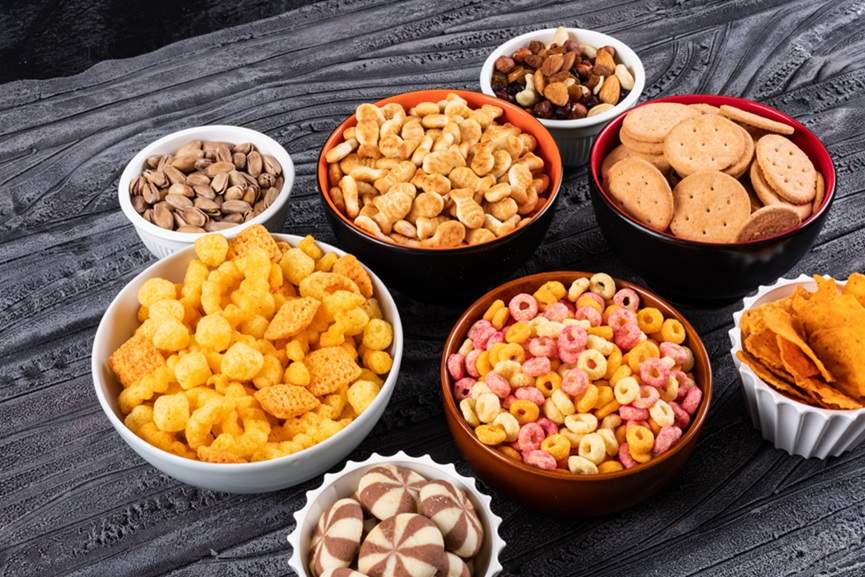
The manipulation doesn’t stop at formulation. Ultra-processed foods are also marketed with precision. Packaging and branding emphasize convenience, long shelf life, and value for money, while promotional campaigns are crafted to capture attention and create emotional appeal.
Children are a major target. Ads often tie products to fun, excitement, and pop culture, reinforcing the idea that these foods are both desirable and normal.
Rep. Image Credits: 8photo@Freepik | Cropped by GBN
Meanwhile, companies leverage vast amounts of consumer data, from shopping habits to online behavior, to fuel highly targeted digital marketing. Social media platforms, in particular, allow brands to tailor messages that drive purchases while collecting even more data to refine their strategies.
A system built to drive consumption
Researchers identified at least 11 interconnected feedback loops within the ultra-processed food system. These loops reinforce one another, creating a cycle that encourages higher consumption and gradually replaces healthier options in people’s diets.
The system extends beyond product design and advertising. It also connects to global supply chains and financial incentives, all aligned toward one goal: selling more ultra-processed food.
The health consequences of these ultra-processed foods are significant. Diets high in UPFs have been linked to obesity, type 2 diabetes, heart disease, cancer, depression, and premature death. In some countries, unhealthy diets and excess body weight contribute to up to 18 percent of preventable early deaths and disability.
Ultra-processed foods are not just personal choice
The research challenges a common assumption, that poor diet is simply a matter of individual responsibility. Instead, it argues that widespread consumption of ultra-processed foods is the result of a deliberately engineered system that exploits human vulnerabilities.
Rep. Image Credits: stockking@Freepik | Cropped by GBN
Children, in particular, are highly exposed to these tactics, raising concerns among public health experts who increasingly view UPFs as a major global health threat.
Calls for policy action
Experts say meaningful change will require government intervention. Some countries, especially in Latin America, have already introduced measures such as taxes on sugary drinks, restrictions on advertising to children, and clear front-of-package warning labels.
Similar policies could help rebalance food environments elsewhere, making healthier choices more accessible and reducing the dominance of ultra-processed products.
The message from researchers is clear: without action, the system will continue to prioritize profit over public health. Rebuilding a food system that truly nourishes people is no longer optional, it’s urgent.