The Qatar Ministry of Transport (MoT) has unveiled an updated Qatar Bicycle Master Plan (QBMP), a comprehensive framework to expand cycling and micromobility networks and support sustainable urban mobility.
The initiative improves safety, develops supporting infrastructure, and provides practical mobility options that contribute to a more connected and efficient transportation network in line with Qatar’s long-term development objectives.
The updated plan comes in response to rapid population growth and ongoing urban expansion, as well as evolving global trends in modern transportation.
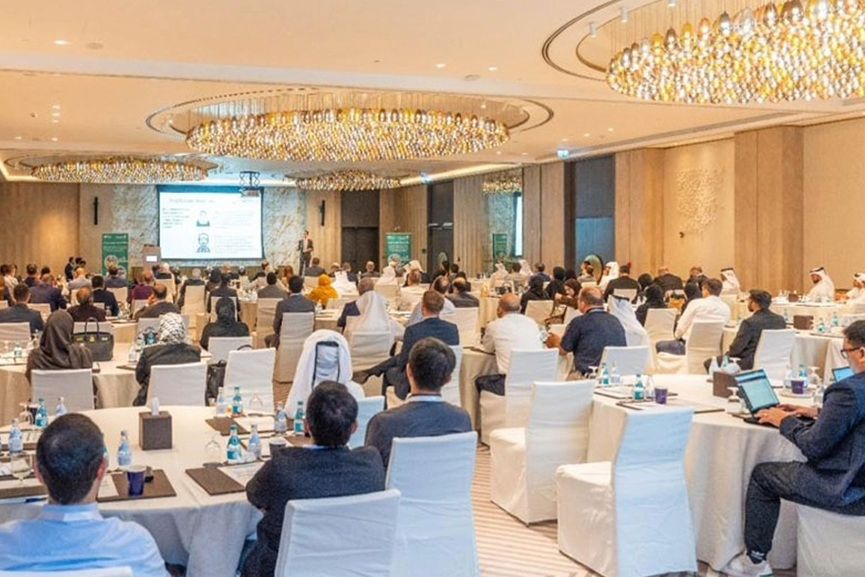
The development of the revised QBMP was the result of coordinated efforts between government entities, the private sector, academic institutions, and research organizations.
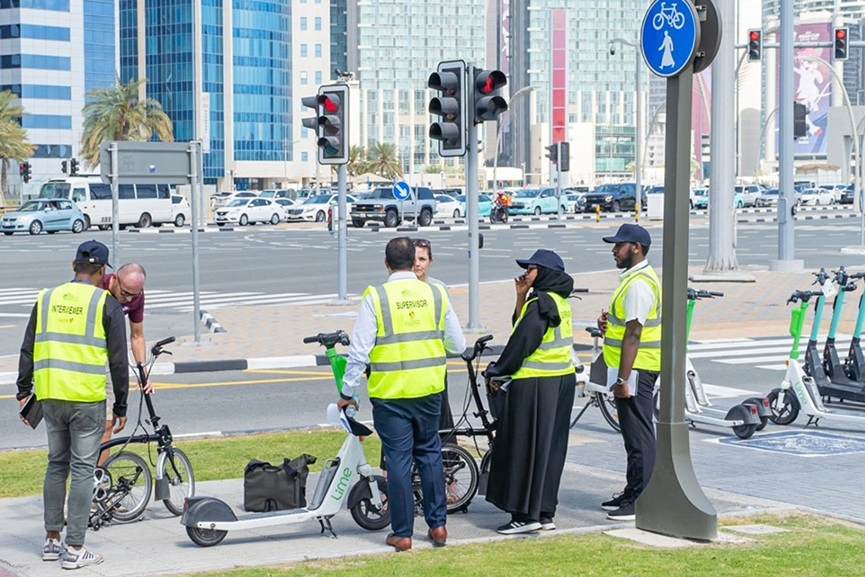
As part of the planning process, more than 1,500 km of existing cycling infrastructure was assessed, including 937 km of standalone cycling routes and 561 km integrated with pedestrian networks.
In addition, over 5,000 interviews were conducted nationwide to understand user behavior and encourage greater adoption of micromobility devices.
The study also included more than 120 technical consultations with stakeholders and a review of over 60 national and international reference documents and best practice frameworks.
The study found that although around 19 percent of the population owns bicycles or micromobility devices, they account for less than 1 percent of daily trips, indicating considerable scope for increased adoption.
Expanding cycling infrastructure and facilities
The updated QBMP outlines an ambitious infrastructure expansion program that includes the development of more than 3,800 km of additional cycling routes across Qatar.
It also proposes the construction of over 110 km of grade-separated crossings to improve safety and connectivity for cyclists and micromobility users.
The plan further introduces seven mega amenity hubs designed to support cyclists and e-scooter users with integrated services and facilities, reinforcing the country’s commitment to user-friendly transport ecosystems.
As part of its implementation strategy, the QBMP introduces 17 new policies, 18 strategic schemes, and 348 supporting measures regulating and promoting cycling and micromobility usage.
A key component of the plan is the Qatar Bicycle Infrastructure Planning and Design Guide (QBIDG), which establishes standardized guidelines for the development of safe, efficient, and sustainable cycling infrastructure.
In addition, a comprehensive Geographic Information System (GIS) database will be developed to consolidate existing infrastructure inventories, future project plans, and spatial mapping layers, supporting improved planning and decision-making through a centralized digital platform.
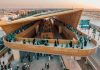
Image via QNA | Cropped by GBN
Eng. Abdullah Seif Al Sulaiti, Assistant Undersecretary for Land Transport Affairs at the Ministry of Transport, said that the QBMP reflects the Ministry’s commitment to building an integrated, resilient, and sustainable transport system that enhances accessibility and encourages environmentally responsible mobility choices.
Al Sulaiti noted that the plan is closely aligned with the Ministry’s strategy and the objectives of the Qatar National Development Strategy (2024–2030), as well as the broader goals of Qatar National Vision 2030.
These include reducing carbon emissions, improving public health and quality of life, and strengthening the efficiency of the national transport network.
Phased implementation and cross-sector collaboration
The Ministry emphasized that the success of the QBMP will depend on coordinated implementation across all sectors, including government agencies, private sector stakeholders, and academic and research institutions.
An integrated phased rollout will be adopted, covering short-, medium-, and long-term priorities with clearly defined performance indicators to monitor progress and impact.
Continuous evaluation and updates will ensure the plan remains responsive to future mobility needs and technological advancements.