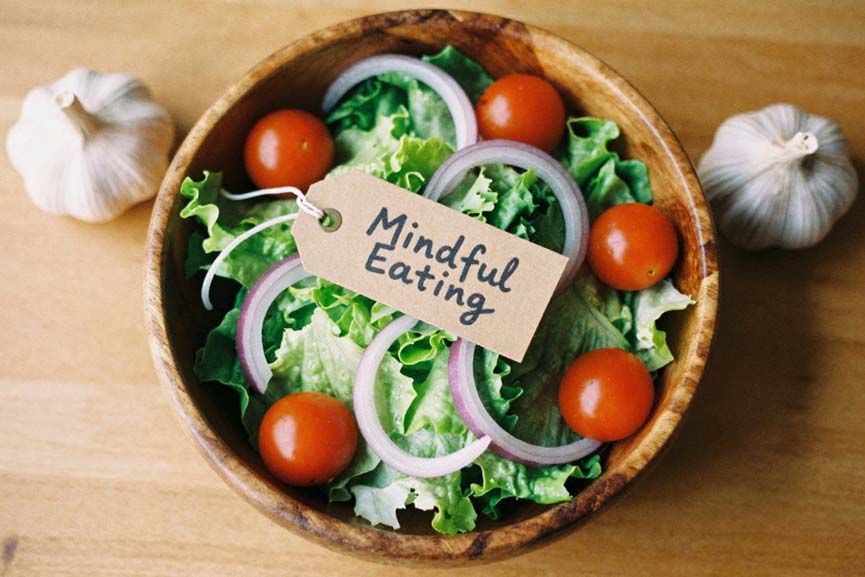
As the new year begins, experts are encouraging people to adopt mindful eating practices, an approach that not only promotes healthier eating habits but also helps individuals build a deeper connection with their food and overall well-being.
This method, which encourages you to slow down and savor the taste of each bite, is not just about food, but also about enhancing overall well-being.
With new year’s resolutions often tied to healthier living, mindful eating offers a sustainable and stress-free approach to achieving those goals.
Mindful eating is a technique that uses the principles of mindfulness to help manage eating habits. It involves paying full attention to the experience of eating, being aware of the colors, textures, smells, and flavors of food, as well as how your body feels during and after eating.
The aim is a more mindful eating relationship with foods to assist with healthier eating choices, reduce overeating, and increase awareness of hunger and satisfaction cues of one’s own body. It may help promote weight loss, reduce emotional eating, and improve mood.
Image credits: freepik | Cropped by GBN
Benefits of Mindful Eating
Mindful eating can be a way to improve your physical and mental well-being in the New Year. Below are some reasons why using mindfulness in your diet will help you reach your new year’s resolution for better health:
Promotes Better Digestion: When we eat too quickly, our bodies don’t have enough time to properly digest food, which can lead to bloating, indigestion, and discomfort. Mindful eating encourages you to chew slowly and thoroughly, allowing your digestive system to work more effectively.
Supports Weight Management: Mindful eating can helpful in maintaining a healthy weight. By being in tune with your body’s hunger signals, you’re less likely to overeat or give in to cravings triggered by emotional or environmental factors. Mindful eating fosters an understanding of when to stop eating, even if there’s food left on your plate, reducing the likelihood of consuming unnecessary calories.
Enhances the Eating Experience: Eating should be a pleasurable and nourishing experience, not a task or a rush. Mindful eating encourages us to appreciate the flavors, textures, and aromas of the food we’re eating. As a result, meals become more enjoyable and satisfying. This is not just about the quantity of food, but the quality of the experience, helping you rediscover the joy of eating.
Image credits: pch.vector @ freepik | Cropped by GBN
Improves Emotional Well-Being: Mindful eating can also have a profound effect on your mental health. It allows you to develop a more positive relationship with food, free from guilt or shame. Many people eat as a way to cope with stress, anxiety, or boredom, leading to overeating or emotional eating. Mindful eating helps break this pattern by encouraging awareness of your emotions before you reach for food.
Reduces Stress and Improves Focus: In a fast-paced world, we often eat on the go or multitask during meals, leading to a lack of focus on what we’re consuming. By taking time to slow down, you engage in a practice of mindfulness that can lower stress levels and improve your ability to concentrate. The simple act of focusing on your meal can have a calming effect on your mind, setting the tone for a more balanced and peaceful approach to the day.
How to Get Started
Start Slow: You don’t have to change everything overnight. Begin by setting aside one meal each day to eat without distractions—no phones, TV, or multitasking. Focus on your food and your hunger cues.
Engage Your Senses: Take a moment before you eat to observe the food. Notice the colors, smells, and textures. As you eat, pay attention to the flavors and how your body feels. Are you enjoying it? Are you full yet?
Listen to Your Body: Pay attention to how your body reacts during and after eating. Are you still hungry? Are you satisfied? Mindful eating encourages you to trust your body’s signals and eat in a way that makes you feel good.
Practice Gratitude: Mindfulness is often linked to gratitude. Take a moment to appreciate your food, the effort that went into preparing it, and how it nourishes your body. This practice can make eating a more positive and intentional experience.
Image credits: Pablo Merchán Montes @ Unsplash | Cropped by GBN
Mindful Eating: A Long-Term Resolution for Life
Unlike the typical New Year’s resolutions that often fade by February, mindful eating isn’t about reaching a specific goal by a certain date; it’s about building a lasting, positive connection with food that works for you every day. It’s less about counting calories or following strict rules, and more about slowing down, tuning into your body, and enjoying your meals without the rush.
Mindful eating encourages a shift from dieting to living, making food an opportunity for nourishment, not stress. It’s a practice that grows with you, one mindful bite at a time.