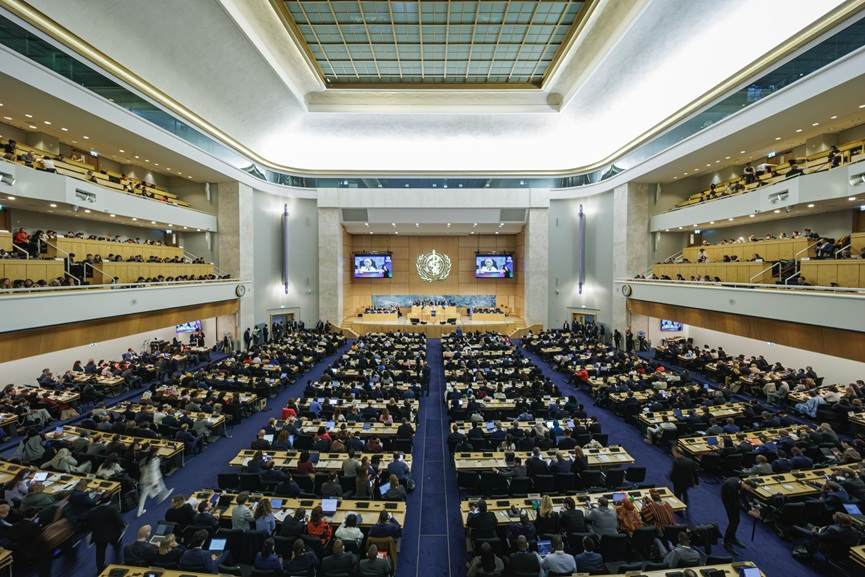
The State of Qatar hosted a high-level event on healthy longevity alongside the 79th World Health Assembly (WHA79), bringing together ministers, global health leaders and experts to advance strategies aimed at extending healthy life expectancy and strengthening sustainable health systems.
The event was co-sponsored by Japan, Finland, Thailand, the World Federation of Public Health Associations (WFPHA), the International Federation on Ageing (IFA), and the World Organization of Family Doctors (WONCA), reflecting growing international commitment to reducing the gap between life expectancy and healthy life expectancy.
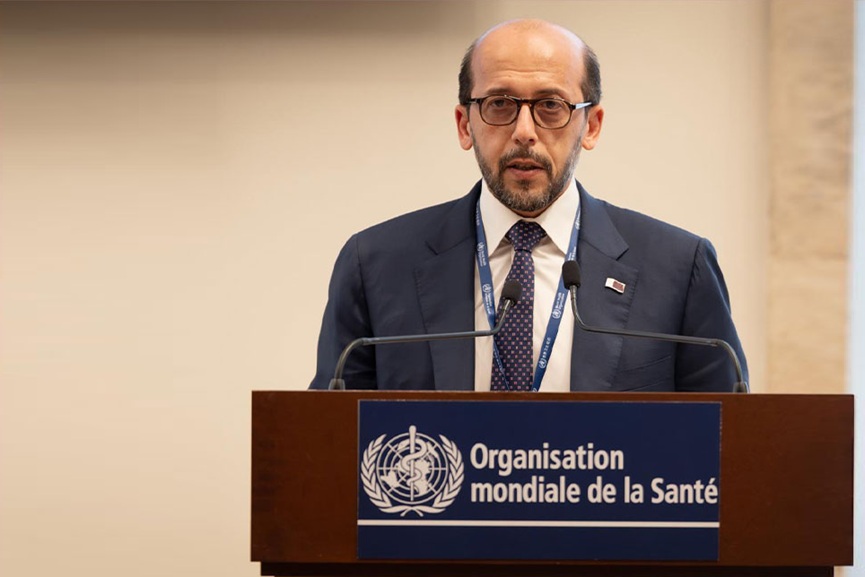
Qatar’s Minister of Public Health HE Mansoor bin Ebrahim Al Mahmoud said in his opening address that healthy longevity is both a national priority and a global necessity. He noted that Qatar’s strategy is built on prevention-focused healthcare and an ambition to position the country as a global platform integrating science, policy, finance and innovation. He also highlighted the role of Qatar’s WHO Collaborating Centre on Healthy Ageing in supporting the organization’s global programs.
Al Mahmoud stressed that the goal is not only to increase life expectancy but also to improve quality of life through stronger public health policies, preventive care, primary healthcare development and expanded cross-sector partnerships. He added that healthy longevity should be viewed as an investment in people, productivity, social wellbeing and long-term economic resilience.
The event underscored the need for integrated approaches linking prevention, governance, financing, innovation and primary healthcare to improve health outcomes throughout the life course and strengthen health systems against rapid demographic changes.
WHO Regional Director for the Eastern Mediterranean Dr. Hanan Balkhy highlighted health and epidemiological challenges across the region, noting disparities between countries with advanced healthcare systems and those affected by conflict or limited resources. She emphasised that prevention, early detection, non-communicable disease management and universal health coverage are critical to narrowing the healthy life expectancy gap.
A high-level panel discussion moderated by World Innovation Summit for Health (WISH) CEO Dr. Salim Salama explored how governments can translate healthy longevity concepts into actionable policies through stronger governance, financing models, preventive healthcare and digital technologies.
Professor Bettina Borisch, Executive Director of the WFPHA, stressed the importance of equity-driven policies to ensure healthcare investments and services reach vulnerable and high-risk populations.
International Federation on Ageing Secretary-General Gregor Sneddon called for institutional action against ageism, describing it as a major barrier to healthy longevity. He urged policymakers to recognize older people as active contributors to society and participants in shaping ageing and health policies.
Countries share successful healthy ageing models
Japan’s Vice-Minister for Health and Chief Medical & Global Officer Dr. Masami Sakoi presented Japan’s experience as a global leader in longevity, linking healthy ageing to labor force participation and economic stability. He said Japan’s long-term investments provide valuable lessons for countries entering demographic transition phases.
Finland’s Senior Ministerial Adviser Dr. Heli Hatunen outlined the country’s welfare economy model, which integrates health and wellbeing across public policy sectors. She described prevention as a long-term investment that benefits societies and economies rather than a financial burden.
Rep. Image credits: WHO | Cropped by GBN
Thailand’s Director-General of the Department of Health Dr. Amporn Benjaponpitak highlighted the role of community health volunteer networks and digital health technologies in expanding access to preventive healthcare within universal health coverage systems, while ensuring health equity.
Qatar strengthens global role in healthy longevity dialogue
The event reinforced Qatar’s growing global role in healthy longevity dialogue and coordination by providing a platform that connects science, innovation, policy and finance to support international cooperation and knowledge exchange.
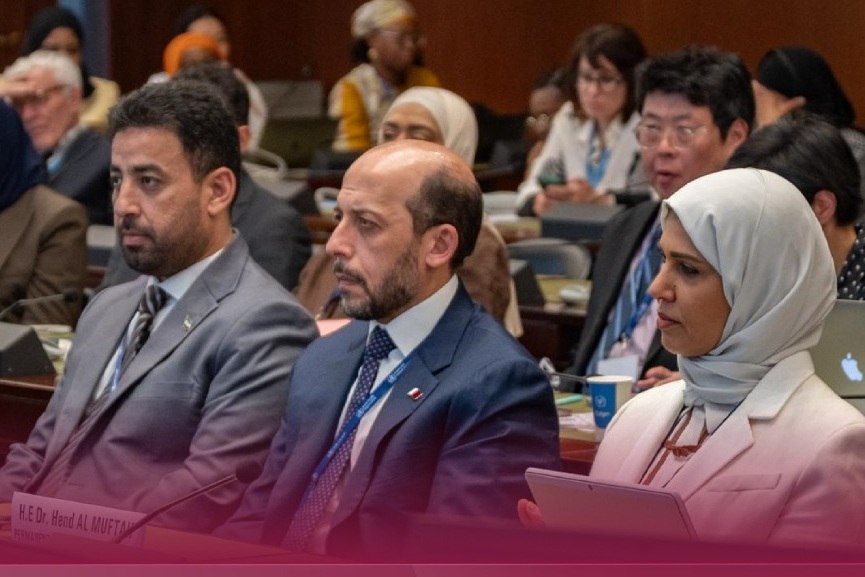
Image credits: MoPH Qatar | Cropped by GBN
The summit concluded with calls to strengthen inter-regional dialogue on longevity governance, integrate health determinants into public policy and maintain momentum through upcoming global initiatives, including the World Innovation Summit for Health (WISH).
Participants agreed that healthy longevity sits at the intersection of health, social and economic priorities and requires integrated, sustainable public policy frameworks beyond sector-specific solutions.
Organizers said the event contributes to broader international efforts to redefine ageing and health policies in response to global demographic shifts, while emphasizing that lifelong investment in health is essential for sustainable development and societal wellbeing.