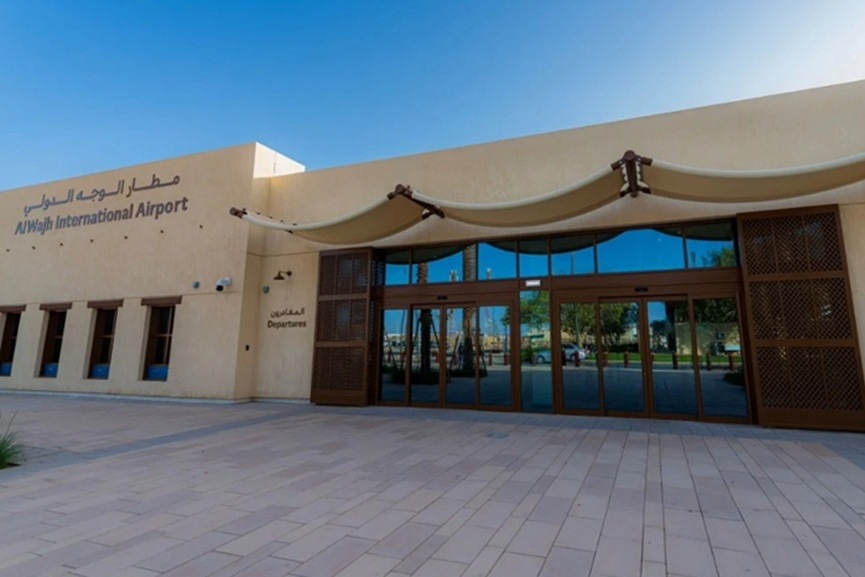
Red Sea Global (RSG) has announced the reopening of Al Wajh International Airport (EJH) following the completion of a comprehensive two-year redevelopment and modernization program, with commercial flight operations having resumed on May 24, 2026.
The upgraded airport is expected to strengthen regional connectivity and support economic activity in northwestern Saudi Arabia while enhancing transportation infrastructure serving the Tabuk region and surrounding destinations.
According to Red Sea Global, commercial operations resumed with five scheduled weekly flights operated by Saudia, including three services from Riyadh and two from Jeddah.
The current flight schedule is designed to meet existing connectivity requirements while providing a foundation for future international air services.
The reopening of the airport forms part of broader efforts to enhance infrastructure and transportation networks across the region.
Red Sea Global said that the project reflects its commitment to supporting regional development through investments that extend beyond its tourism destinations and contribute to public infrastructure and economic growth.
John Pagano, Group Chief Executive Officer of Red Sea Global, said that, “This project goes beyond upgrading an existing airport. It is an investment in connectivity, economic development and opportunities for local residents. The Tabuk Region now has an airport capable of receiving international flights, strengthening links with the rest of the Kingdom and global markets.”
Image via SPA | Cropped by GBN
Expanded capacity and operational capabilities
Following the modernization program, Al Wajh International Airport is now capable of accommodating most narrow-body commercial aircraft, including the Airbus A320 and Boeing 737.
The airport can also support seaplane operations, providing additional flexibility for future aviation services.
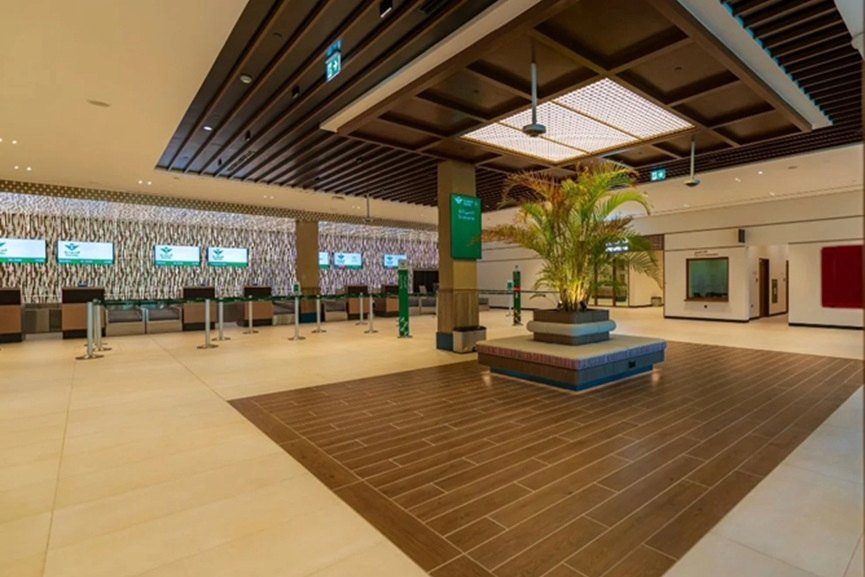
Passenger terminal capacity has increased significantly from 100,000 to 500,000 passengers annually. The facility is now capable of processing up to 330 passengers per hour during peak operating periods through four arrival and departure gates.
Image via SPA | Cropped by GBN
Infrastructure and passenger facilities
The redevelopment program included extensive upgrades to passenger facilities and supporting infrastructure.
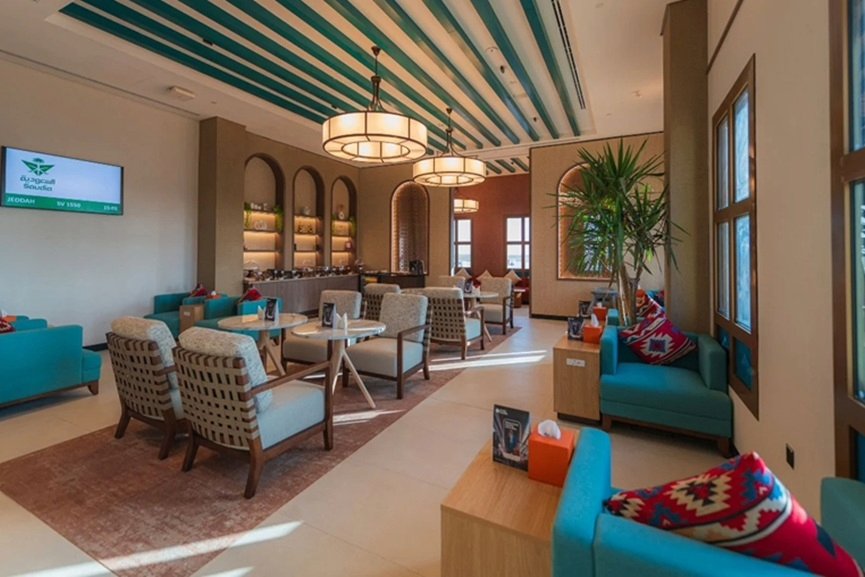
Improvements include expanded parking capacity and enhanced terminal services designed to accommodate growing passenger volumes.
The airport has also been equipped to support helicopter and seaplane operations, strengthening multimodal transportation links serving the AMAALA development and surrounding areas.
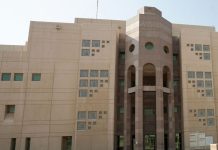
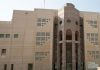
The terminal’s architectural design draws inspiration from the historic urban character of Al Wajh and the coastline of the Tabuk Region, incorporating elements that reflect local heritage and regional identity.
With the completion of the modernization project, Al Wajh International Airport is positioned to support future passenger growth, expanded air connectivity, and broader economic development objectives in northwestern Saudi Arabia.
The enhanced facility is expected to play an important role in facilitating travel, supporting tourism initiatives, and improving access to key destinations across the region.