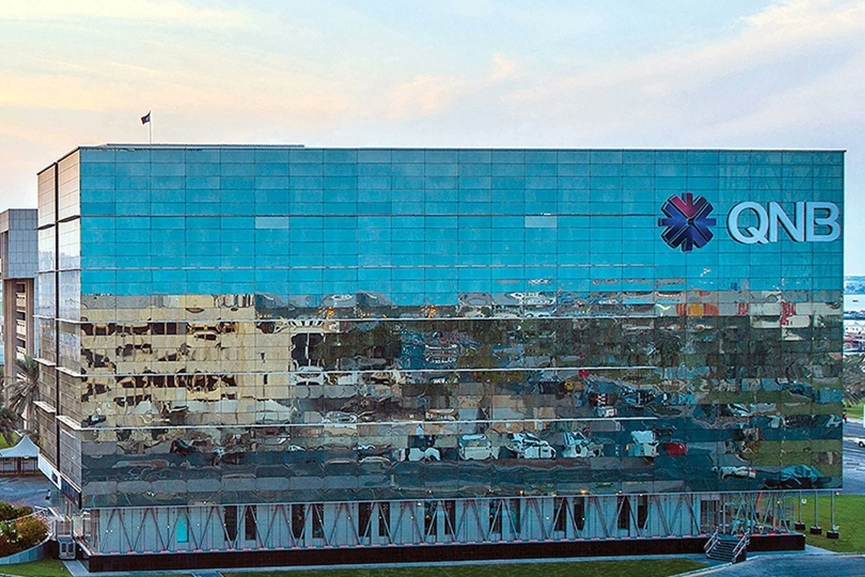
Qatar National Bank (QNB) has revised its global inflation outlook sharply upward, projecting headline inflation to reach 4.4 percent in 2026, citing an energy shock linked to rising tensions in the Middle East.
The revision marks a notable reversal from earlier expectations of steady disinflation and monetary easing.
According to QNB’s latest weekly economic commentary, the global economy had entered the year on a relatively stable footing, with inflation steadily declining from its post-pandemic peak of around 9 percent in 2022.
However, this trajectory was disrupted following the outbreak of hostilities linked to the Iran conflict on February 28, which has since destabilized energy markets and reshaped inflation expectations worldwide.
QNB highlighted two main channels through which the current energy shock is driving inflation:
Direct impact: Higher oil and gas prices are immediately raising fuel, electricity, and transportation costs for households and businesses.
Indirect (core) impact: Elevated energy costs are gradually feeding into production expenses, wages, and services pricing, embedding broader and more persistent inflation across the economy.
The bank noted that these combined pressures are expected to drive a broad-based acceleration in prices across major economies, including the United States, the Euro Area, and Asia. The key determinant moving forward will be the pace at which global energy supply stabilizes.
In the United States, QNB observed that while the economy is less vulnerable to crude oil disruptions due to its status as a net energy exporter, inflationary pressures were already building. Gasoline prices have surged above $4 per gallon, increasing by nearly $1 following the conflict’s escalation.
Headline inflation rose to 3.3 percent year-on-year in March, significantly above the Federal Reserve’s 2 percent target, while core inflation reached 2.6 percent, with signs of widening price pressures across transport, food, and services.
The International Monetary Fund (IMF) has subsequently raised its US inflation forecast to 2.8 percent for the year.
QNB cautioned that the renewed inflationary surge complicates the Federal Reserve’s policy outlook, making it increasingly difficult to classify the shock as purely temporary and energy-driven.