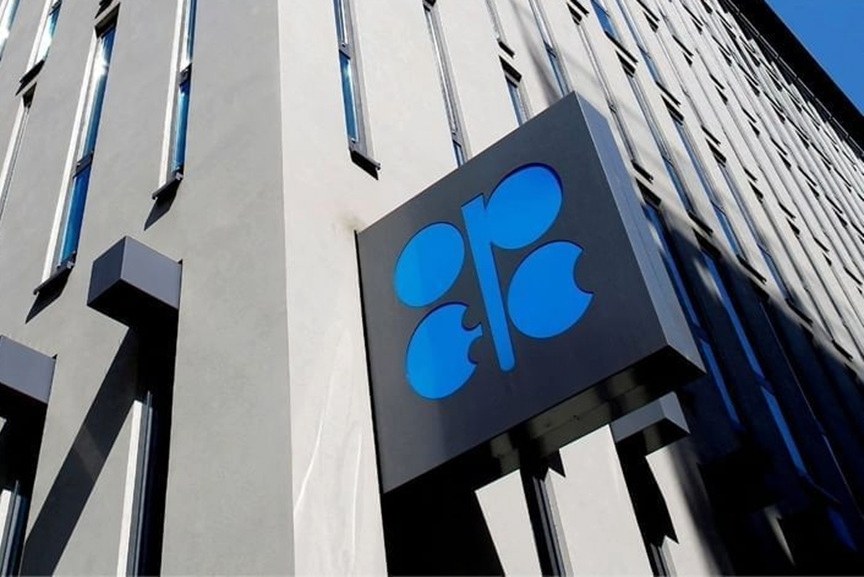
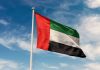
The United Arab Emirates has announced its decision to exit the Organisation of the Petroleum Exporting Countries (OPEC) and its extended alliance OPEC+, effective 1 May 2026, as part of its evolving energy policy and long-term national economic strategy.
The decision reflects the UAE’s focus on strengthening domestic energy capabilities, increasing production flexibility, and reinforcing its position as a reliable and responsible global energy supplier.
It follows a comprehensive review of current and future production capacity and aligns with national priorities aimed at balancing global market requirements with economic diversification objectives.
The UAE stated that its energy strategy will continue to prioritize global market stability while enabling a more responsive approach to shifts in supply and demand dynamics.
Despite the exit, the country reaffirmed its commitment to maintaining a constructive role in international energy markets through measured and gradual production policies aligned with market conditions.
أعلنت دولة الإمارات العربية المتحدة اليوم قرارها بالخروج من منظمة الدول المصدرة للنفط “أوبك” و “أوبك +” على أن يسري القرار اعتباراً من الأول من مايو 2026.
ويتماشى هذا القرار مع الرؤية الإستراتيجية والاقتصادية طويلة الأمد لدولة الإمارات وتطور قطاع الطاقة لديها بما في ذلك تسريع… pic.twitter.com/Nmdg7VxeMi
— وزارة الطاقة والبنية التحتية (@MOEIUAE) April 28, 2026
UAE’s role in OPEC
The UAE joined OPEC in 1967 through the Emirate of Abu Dhabi and maintained its membership following the formation of the UAE in 1971.
Since then, it has become one of the organization’s key producers, contributing actively to production policy discussions and efforts to stabilize global oil markets.
The UAE has also supported coordinated supply management within OPEC and later within OPEC+, while steadily expanding its upstream production capacity and investing in energy infrastructure over the decades.
Over this period, the UAE has played a consistent role in supporting balanced global supply dynamics and strengthening cooperation among producing nations.
The statement emphasized that the UAE will continue investing across the full energy value chain, including oil and gas, renewables, and low-carbon technologies, as part of its long-term energy transition strategy.
It highlighted the UAE’s position as a producer of competitively priced, lower-carbon crude that remains important for global energy demand and sustainability objectives.
Reiterating its commitment to responsible energy leadership, the UAE said it will continue working with international partners to ensure market stability and reliable supply while aligning production policies with global demand trends and national economic priorities.